2026 Top Clinical Health Products for Global Buyers
The 2026 global healthcare market is becoming more evidence-driven, connected, and demanding. Buyers now assess clinical value, product safety, supply reliability, and long-term service before approving a purchase. This guide explores leading Clinical Health products for hospitals, clinics, distributors, and professional care networks worldwide.
The selection focuses on practical categories, including patient monitoring systems, diagnostic equipment, wound-care supplies, mobility aids, infection-control products, and digital clinical tools. Each category deserves careful review. Product claims should be supported by published evidence, recognized quality systems, and transparent technical documentation. Buyers should verify regulatory approval in their target market, rather than relying on certificates alone. ISO 13485 certification can support confidence, but it does not replace local compliance checks.
Details matter.
A reliable supplier should explain device performance, maintenance needs, training requirements, warranty coverage, and replacement-part availability. A monitor may appear affordable, yet compatible sensors and calibration costs can change the final budget. Packaging quality also matters when products travel through humid warehouses or long supply chains. Post-market surveillance, traceability, and responsive customer support provide further protection for patients and procurement teams.
No global ranking is perfect. Clinical priorities differ between a rural health center and a major teaching hospital. Evidence may also develop after publication. We have deliberately included room for reassessment, because responsible buying requires more than attractive specifications. This overview offers a professional starting point, not a substitute for clinical judgment, regulatory review, or independent procurement verification.
Clinical Health Products: Definition, Scope, and Global Market Role
Clinical health products are goods designed to prevent, detect, monitor, treat, or support patient care. This scope includes in vitro diagnostics, medical devices, sterile consumables, medicines, rehabilitation aids, and regulated digital tools. The World Health Organization reports more than two million medical device types across over 7,000 generic groups. That scale makes classification difficult.
For global buyers in 2026, clinical value depends on evidence, intended use, risk class, usability, and supply continuity. A blood glucose meter needs analytical accuracy, clear instructions, compatible strips, and dependable post-market support. Hospital buyers also assess quality systems, clinical validation, cybersecurity, shelf life, and local registration pathways. These details are not decoration. They determine safe purchasing.
The market role is substantial. WHO’s Global Health Expenditure Report 2023 estimated global health spending at US$9.8 trillion in 2021, equal to 10.3% of global GDP. OECD Health at a Glance 2023 documents major differences in health resources and outcomes across countries. Demand therefore extends beyond advanced hospitals. It includes rural diagnostics, home monitoring, mobility support, and low-resource supply chains. Yet forecasts can overstate adoption when reimbursement, training, or maintenance is ignored. That remains an uncomfortable gap. Clinical products succeed when performance survives daily use, not merely when specifications look impressive.
This chart highlights major global clinical health product demand drivers. Cardiovascular disease, cancer, chronic respiratory disease, and diabetes account for substantial annual mortality and support continued demand for diagnostic devices, monitoring equipment, medicines, preventive products, and long-term care solutions.
Source: World Health Organization, Noncommunicable Diseases Fact Sheet. Global estimates, 2021.
Key Product Categories in Clinical Health Care
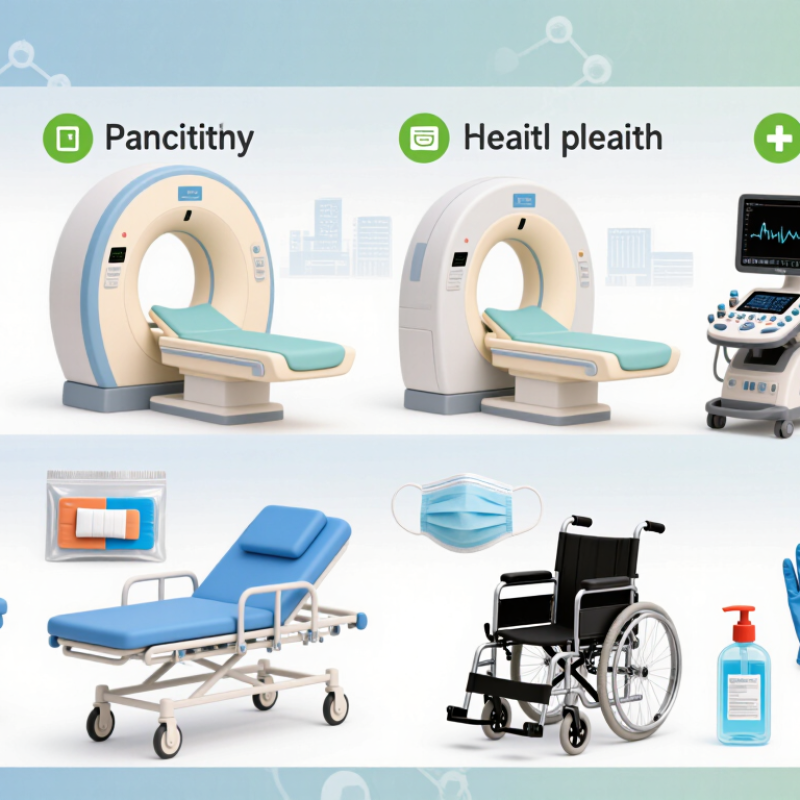
Clinical health care products now span several practical categories, each serving a different point in the patient journey. Diagnostic products include rapid test systems, specimen containers, and laboratory analyzers. Their value depends on accuracy, clear instructions, and reliable quality control. Patient monitoring products cover vital-sign monitors, pulse oximeters, temperature devices, and wearable sensors. Buyers should examine measurement ranges, alarm visibility, battery performance, and maintenance needs.
Wound care and infection prevention remain essential in hospitals, clinics, and home-care settings. Dressings, sterile barriers, disinfecting supplies, and hand hygiene products must match the clinical environment. Packaging details matter. A damaged seal can create serious doubts. Mobility and rehabilitation products include walkers, transfer aids, therapy equipment, and supportive braces. Fit, cleaning requirements, weight limits, and user training should guide selection, not price alone.
Global buyers also need to review documentation, risk classification, labeling languages, electrical compatibility, and applicable market authorization. Quality systems such as ISO 13485 can support supplier evaluation, but certification alone does not guarantee practical performance. It is wise to request samples, assess usability with clinical staff, and verify after-sales service before large orders. No category is perfect. A highly advanced device may still fail when training is weak, spare parts are delayed, or instructions are unclear. Procurement decisions should reflect real workflows, local regulations, patient safety, and the limits of available evidence.
Evidence, Safety, and Regulatory Standards for 2026
2026 Top Clinical Health Products for Global Buyers
Evidence, safety, and regulatory standards should guide every clinical health product purchase in 2026. Buyers need more than attractive performance claims. They should review peer-reviewed studies, clinical evaluation reports, and clearly defined intended uses. Evidence must match the target population, care setting, and product version. A small design change can affect clinical performance. That detail is often missed.
Tips: Request complete technical files before ordering. Check manufacturing controls, batch traceability, and risk management records. Look for recognized quality systems, such as ISO 13485, and product-specific safety testing. Confirm registration requirements with the destination country’s competent authority. Ask how complaints, recalls, and adverse events are handled.
Safety evidence should remain current after market entry. Post-market surveillance can reveal issues that early trials miss. Buyers should examine user training, labeling language, storage conditions, and cybersecurity controls for connected products. Regulatory approval in one region does not guarantee acceptance elsewhere. Requirements may differ by product class and intended use. I have seen well-documented products delayed by incomplete translations or mismatched importer information. That is avoidable, but not always easy. Independent regulatory review adds confidence, although it cannot replace careful buyer judgment.
How Global Buyers Evaluate Clinical Health Products
2026 Top Clinical Health Products for Global Buyers
How Global Buyers Evaluate Clinical Health Products
Global buyers begin with the intended clinical use, not attractive packaging. They ask whether the product solves a defined healthcare problem. Clear indications, user instructions, and patient safety data matter immediately. Experienced procurement teams review clinical evidence, not only laboratory claims. They compare study design, sample size, endpoints, and publication quality. Independent expert feedback can reveal weaknesses hidden in sales materials.
Regulatory status is another practical checkpoint. Buyers verify registration requirements in each target market. They examine quality certificates, manufacturing controls, batch records, and product traceability. Reliable suppliers provide current documents without excessive delay. They also explain shelf life, storage temperatures, transport risks, and complaint procedures. A product may perform well in a controlled study but fail during humid shipping. That detail is easy to overlook.
Cost still matters, but the lowest quotation may create higher clinical risks. Buyers calculate training, maintenance, testing, returns, and disposal requirements. They should also review post-market surveillance and response times after delivery. No scorecard is perfect. Some teams trust certificates too quickly, while others dismiss useful products after one weak result. A careful decision combines evidence, local professional advice, and real user experience. Small pilot orders can expose workflow problems before wider purchasing begins. Even then, buyers should record what remains uncertain and revisit those assumptions.
Procurement, Supply Chains, and Future Industry Trends
2026 Top Clinical Health Products for Global Buyers
Procurement, Supply Chains, and Future Industry Trends
Global buyers are examining clinical health products through a wider operational lens. Product performance matters, but supply reliability matters just as much. A sterile package, temperature logger, and complete certificate set can determine whether a shipment enters service smoothly.
Procurement teams now assess supplier quality systems, batch traceability, production capacity, and complaint handling. They also review backup manufacturing sites before signing long-term agreements. A shipment can look perfect at dispatch. Delays may still occur at customs, ports, or regional warehouses. Cold-chain products need monitored containers, calibrated sensors, and documented handovers.
Small gaps become expensive.
Digital forecasting is improving purchasing decisions. Demand dashboards can compare hospital usage, seasonal illness patterns, and inventory levels. Yet forecasts still fail during emergencies. Human review remains necessary. It is easy to trust a clean graph too quickly.
Future supply chains will likely use connected records, automated alerts, and lower-waste packaging. Buyers should still verify data accuracy, cybersecurity controls, and supplier claims. Sustainability also requires evidence, not attractive language. Recyclable materials, efficient transport, and responsible disposal should be measured across the product’s full life cycle. Some procurement teams may need to redesign contracts around resilience rather than the lowest price. That shift is practical, but not always comfortable.