
Blog
7 Tips for Buying Amino Acid Supplements?
Amino Acid Supplements now sit at the intersection of sports nutrition, clinical research, and consumer marketing. Grand View Research estimated the global amino acids market at approximately USD 27 billion in 2023, with continued growth expected through 2030. However, that figure includes food, feed, pharmaceutical, and supplement applications. It should not be mistaken for sales of standalone supplements.
The evidence is more specific than the advertisements. Robert R. Wolfe, PhD, a leading protein-metabolism researcher, wrote, “Protein is a source of amino acids, and amino acids are the substrates for protein synthesis.” That principle matters when comparing branched-chain amino acids, essential amino acids, and complete protein products. A bright tub may promise recovery, yet its label could reveal modest doses, artificial sweeteners, or no independent testing.
Small details matter. Check the serving size, amino-acid profile, allergen statement, and certification seal. Look for testing from organizations such as NSF Certified for Sport or Informed-Choice. The International Society of Sports Nutrition reports that adequate daily protein and total energy intake usually matter more than isolated amino acids for healthy exercising adults. Still, individual needs differ. Older adults, endurance athletes, and people with restricted diets may require different strategies.
This guide offers seven practical tips for buying Amino Acid Supplements. It considers evidence, product quality, timing, and value. It also admits an uncomfortable truth: more capsules do not automatically mean better results. A registered dietitian or qualified clinician should review supplementation when kidney disease, pregnancy, medication use, or complex training goals are involved. In this category, skepticism is useful.
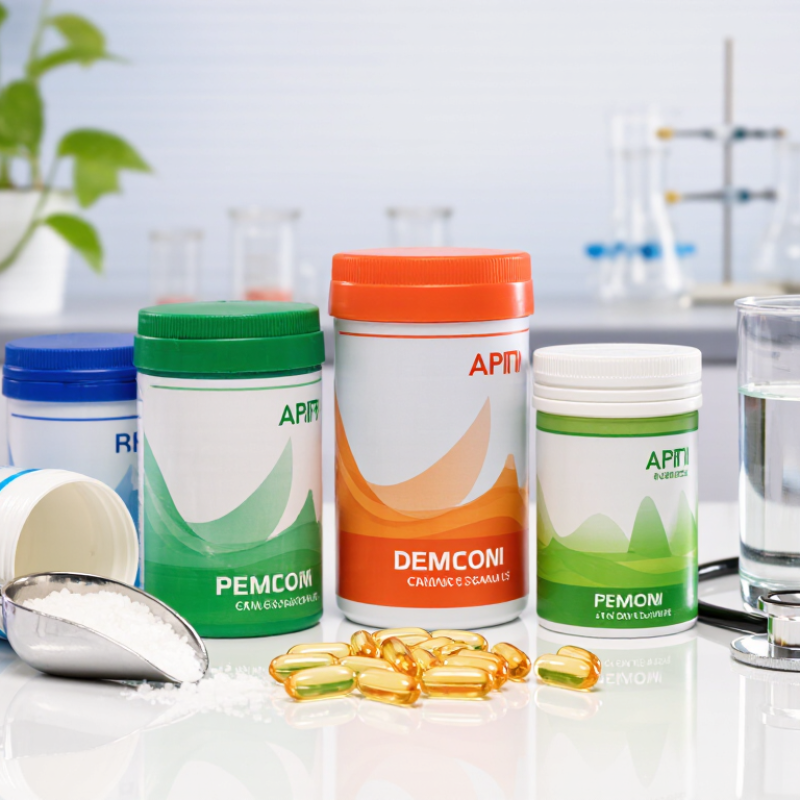
Understanding Amino Acid Supplements and Their Common Uses
Amino acids are the building blocks of protein. Your body uses them to maintain muscle, enzymes, hormones, and other tissues. Some amino acids come from food, while others can be made internally. Essential amino acids must come from the diet. This distinction matters when comparing supplements.
People commonly consider amino acid supplements during resistance training, low-protein diets, illness recovery, or restricted eating patterns. Evidence is strongest when supplementation corrects a genuine dietary gap. It is less convincing when someone already eats enough high-quality protein.
Branched-chain amino acids may sound specialized, but they are not automatically better than complete protein sources. Results can vary with age, training, health, and total calorie intake. Small details matter.
When buying, check the exact amino acids and amounts per serving. Avoid vague blends that hide dosing. Look for independent quality testing, clear allergen information, lot identification, and sensible storage instructions.
A long ingredient list is not proof of value. Nor is a dramatic promise. Anyone with kidney or liver disease, pregnancy, or regular medication use should consult a qualified healthcare professional before use. Even healthy adults can mistake “more” for “better.” I sometimes find labels reassuring too quickly. Reviewing the evidence, diet, and purpose first is slower, but safer. Use only as directed.
Checking Your Nutritional Needs and Supplement Goals
7 Tips for Buying Amino Acid Supplements
Checking Your Nutritional Needs and Supplement Goals
An amino acid supplement should answer a specific nutrition question, not follow a fitness trend. The National Academies set the adult protein RDA at 0.8 grams per kilogram of body weight daily. For exercising adults, the International Society of Sports Nutrition suggests 1.4–2.0 grams per kilogram. These figures describe total protein, not a required supplement dose. Check your meals first. A three-day food diary can reveal gaps in breakfast, recovery meals, or vegetarian protein choices. Small details matter.
Tip: Define the goal. Muscle gain, endurance, recovery, or a diagnosed deficiency require different decisions. Compare the label with your actual protein intake, training load, and calorie pattern. Essential amino acids may help when protein intake is low, but evidence varies across products and outcomes. The NIH Office of Dietary Supplements notes that supplements can interact with medicines and may have quality risks. Look for batch testing and clear ingredient amounts. I would question any label hiding quantities inside a proprietary blend.
Tip: Ask a qualified clinician if you have kidney or liver disease, are pregnant, or take medication. A registered dietitian can estimate needs better than a generic calculator. Do not treat supplements as insurance. That shortcut can become expensive, and occasionally misleading. Reassess after several weeks using measurable outcomes, such as recovery, training performance, or documented intake. These recommendations draw on the National Academies’ Dietary Reference Intakes, the 2017 ISSN position stand, and NIH supplement guidance.
Comparing Amino Acid Types, Forms, and Ingredient Quality
Buying amino acid supplements requires more than choosing the largest scoop. Compare the amino acid type with your actual goal. Essential amino acids contain compounds the body cannot produce. BCAA products focus on three of them, but they may not provide a complete amino acid profile. Single-amino-acid formulas can be more targeted, yet they deserve professional guidance. I once focused too much on a product’s headline ingredient and overlooked its modest serving size.
Tip 1: Check the full label. Confirm each amino acid’s amount, serving size, and total daily use. A long ingredient list is not automatically better. Look for unnecessary sweeteners, stimulants, or hidden blends. Clear labels are easier to evaluate. They also reduce guesswork.
The form affects convenience and tolerance. Powder usually allows flexible dosing and often mixes quickly, although some formulas leave a gritty texture. Capsules travel well but may require several pills for a meaningful serving. Ready-to-drink options are convenient, but inspect sugar, calories, and storage instructions. Ingredient quality matters most. Prefer products with batch testing, clear manufacturing details, allergen statements, and unexpired packaging. Independent certification can add confidence, but it does not replace careful label reading.
Tip 2: Compare cost per effective serving, not container price. If you take medication, have a medical condition, or train intensely, ask a qualified healthcare professional before using supplements. Human studies can vary, and personal results may not match promotional claims.
Evaluating Dosage, Safety, and Potential Interactions
7 Tips for Buying Amino Acid Supplements: Evaluating Dosage, Safety, and Potential Interactions
Choosing an amino acid supplement starts with the label, not the advertising. Check the amount per serving, the number of servings, and the form of each amino acid. A scoop is not a dose. Compare it with your dietary intake and the product’s directions. More is not automatically better. Some products combine several amino acids, making the total harder to calculate. Keep a simple note on paper for a few days.
Safety needs personal context. People with kidney or liver disease, pregnancy, or chronic conditions should seek medical advice before supplementing. Teenagers and older adults may also need individualized guidance. Stop and ask a clinician about nausea, headaches, unusual fatigue, or blood pressure changes. Supplements can look harmless. They are not risk-free. Choose clear ingredient lists, lot information, and independent quality testing when available. Testing does not prove effectiveness, but it may reduce contamination concerns.
Potential interactions deserve careful attention. Amino acids may affect medicines, nutrient absorption, or blood sugar, depending on the ingredient and dose. Ask a pharmacist to review every prescription, over-the-counter medicine, and supplement. Separate products only when a professional recommends it; timing rules vary. I would not rely on online anecdotes as evidence. One personal detail can mislead thousands of readers. The honest approach is less exciting: start only when the purpose is clear, monitor your response, and reconsider the plan if the expected benefit never appears.
Choosing a Reliable Product and Reviewing Its Results
Choosing a reliable amino acid supplement requires more than attractive packaging. Start with a clear ingredient label, accurate amounts, serving size, and allergen information. Look for batch numbers, expiry dates, storage instructions, and independent quality testing. A trustworthy product should explain how its contents are verified. Vague blends make comparison difficult.
Results deserve careful review. Record your daily intake, training, sleep, and any digestive changes for several weeks. Do not judge a product after one workout. Noticeable benefits can be subtle, and some people may feel nothing. That matters too. Compare your experience with realistic expectations, not dramatic online testimonials. Reviews can reveal poor taste, damaged packaging, or inconsistent service, but they are not scientific proof. I still find product decisions imperfect; even a well-tested supplement may not suit every body. Stop using it and seek professional advice if unusual symptoms appear.