Best Basin Sink Drain Options for Your Home How to Choose?
When selecting the right Basin Sink Drain for your home, it’s important to consider various factors. Expert plumber Mark Johnson states, “A well-chosen drain can prevent many common plumbing issues.” His insight helps highlight the significance of this often-overlooked component in sink design.
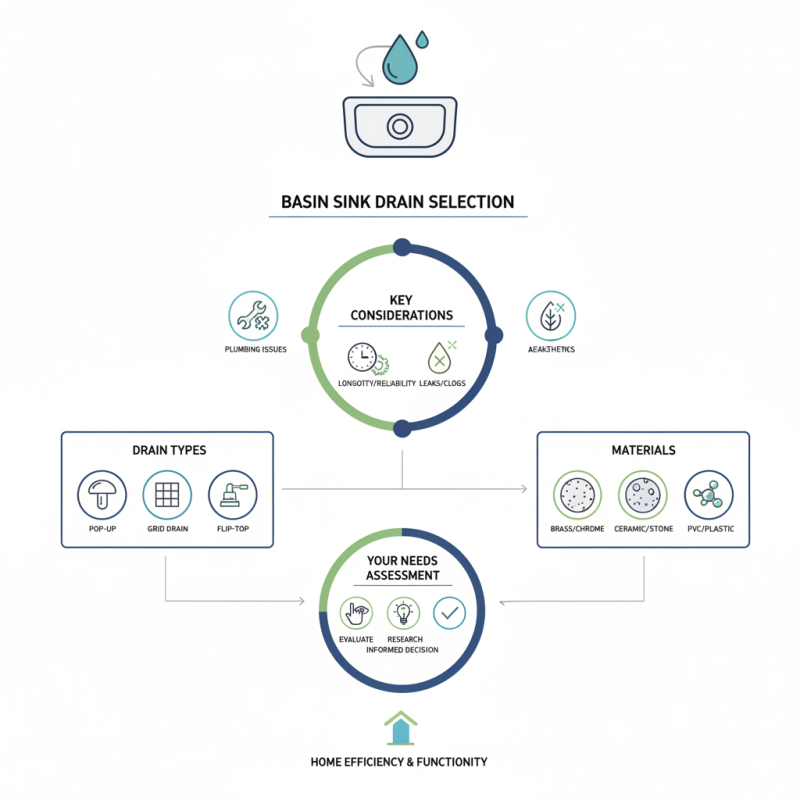
The market offers a range of Basin Sink Drains with different features. Some are more efficient and reliable than others. A durable drain can enhance the longevity of your sink while preventing leaks and clogs. However, selection can be confusing due to the numerous styles and materials available. Evaluating your needs is essential.
Reflecting on your choice can avoid future frustrations. A basin drain that fits your sink's aesthetics and functions properly greatly improves your home's efficiency. Without proper research, you may face draining problems. Thus, understanding your options is crucial to make an informed decision.
Understanding Basin Sink Drains: Types and Functions
When choosing a basin sink drain, understanding the different types and their functions is essential. Two common types are pop-up drains and basket strains. Pop-up drains provide convenience. They allow you to control the water flow easily with a toggle, which is often handy during daily tasks. Basket strains, on the other hand, are fixed and excellent for catching debris. They help prevent clogs, but you lose the flexibility of a pop-up.
Drain materials also play a role in performance. Stainless steel is durable and resistant to corrosion. Plastic options can be lighter and cost-effective, but might not last as long. Additionally, consider the size and compatibility with your sink. An incorrect fit can lead to leaks and water damage. Each choice has its pros and cons, which require thoughtful consideration.
Installation can be a challenge for DIY enthusiasts. Misalignment can easily happen. It's crucial to read guidelines carefully. Sometimes, hiring a professional might save time and prevent future issues. Choosing the right drain is about balancing functionality and durability. Evaluate your needs before making a decision. Attention to detail can lead to a satisfactory outcome.
Key Factors to Consider When Choosing a Basin Sink Drain
Choosing the right basin sink drain is crucial for both functionality and aesthetics. You should consider several key factors. Drain size is one of them. Ensure the drain fits your sink for effective water disposal. A too-small drain can cause backups. A too-large drain may look out of place.
Material is also significant. Stainless steel offers durability and resistance to rust. Plastic is lightweight and easy to install, but it may not last as long. Think about where the sink is. In high-use areas, stronger materials are beneficial. Also, consider the finish that matches your sink style.
Tips: Measure your basin before shopping. Take note of the existing plumbing setup. Checking local regulations on installations can prevent future issues. Remember that appearance matters, too. An attractive drain can enhance your sink's look but ensure it functions well. Reflect on the long-term maintenance of your choice. A more complicated design may require more effort to clean.
Materials Used in Basin Sink Drains: Pros and Cons
When choosing a basin sink drain, material selection plays a crucial role. Common materials include stainless steel, plastic, and brass. Stainless steel is popular due to its durability. It resists rust and tarnishing. However, it can be heavy and costly. Plastic drains are lightweight and affordable. They offer easy installation, but may not withstand heavy wear and tear.
Brass drains have a classic appeal. They are strong and long-lasting. Unfortunately, they are prone to corrosion over time. This makes them less suitable for humid environments. Each material has its own set of advantages and drawbacks. Homeowners often face challenges in their decision-making process. Balancing cost with durability can be complex.
Additionally, aesthetics matter. Many people want their sink drain to match their décor. This can complicate the decision further. Reflecting on each option helps you understand what suits your home. It's vital to consider not just the initial cost but also long-term maintenance. Planning for future repairs can save money and hassle later.
Best Basin Sink Drain Options for Your Home
Installation Tips for Basin Sink Drains: A Step-by-Step Guide
When it comes to installing a basin sink drain, following step-by-step guidelines can make the process smoother. Start by gathering necessary tools like a wrench, pliers, and plumber's putty. According to industry reports, nearly 30% of plumbing issues arise from improper installation. This calls for careful attention to detail.
Begin with removing the old drain. Clear away debris and ensure the sink area is clean. Position the new drain in place, applying plumber’s putty around the threads. This helps create a watertight seal. Tighten the drain securely but be cautious not to over-tighten, as it can crack the sink. A survey by plumbing professionals revealed that 40% of homeowners reported leaks due to overtightening.
Attach the P-trap afterward, making sure each connection is snug but not overly tight. Check for leaks by running water and observing any potential drips. A simple leak can lead to significant damage over time. Reflecting on common mistakes, many overlook securing the trap properly, which contributes to frequent plumbing repairs. Engaging in the installation process actively helps cultivate better plumbing knowledge.
Best Basin Sink Drain Options for Your Home
| Drain Type | Material | Compatibility | Average Price ($) | Installation Difficulty |
| Pop-Up Drain | Brass | Standard Basin Sinks | 30 - 50 | Medium |
| Lift-and-Turn Drain | Stainless Steel | Ceramic Sinks | 25 - 45 | Easy |
| Grid Drain | Plastic | Drop-In Sinks | 15 - 30 | Very Easy |
| Strainer Drain | Bronze | Farmhouse Sinks | 20 - 35 | Medium |
| Basin Wrench Drain | Steel | Under-Mount Sinks | 35 - 60 | Hard |
Maintaining Your Basin Sink Drain: Best Practices and Tips
Maintaining your basin sink drain is crucial for a healthy and functional kitchen or bathroom. Regular upkeep can prevent clogs and odors. According to recent studies, nearly 85% of plumbing issues stem from neglected drains. Simple practices can make a significant difference.
Using a drain strainer can catch hair and debris before they enter the pipe. It’s an easy and inexpensive measure. Cleaning the strainer regularly helps maintain flow. Another effective method is flushing the drain with hot water weekly. Hot water breaks down grease and soap build-up. A staggering 47% of homeowners overlook this simple step, resulting in avoidable repairs.
Consider employing a mixture of vinegar and baking soda monthly. This natural approach eliminates minor clogs and neutralizes odors. However, be cautious; overusing harsh chemicals can damage pipes. While many rely on chemical drain cleaners, they can erode plumbing systems over time. Swapping to gentler techniques ensures longevity. Ultimately, keeping drains in check requires balanced effort and consistent habits.