Best Implant Screwdrivers for Efficient Dental Procedures?
In the world of dentistry, precision is paramount, especially during implant procedures. The right tools can make all the difference. Among these, the Implant Screwdriver plays a crucial role. This specialized tool ensures a secure fit for dental implants, enabling dentists to work efficiently.
Choosing the best Implant Screwdriver isn't always straightforward. Various options are available, each with unique features. It's essential to consider ergonomics, material quality, and ease of use. Consulting experienced professionals can provide insights into which screwdrivers excel in real-world situations.
However, not every Implant Screwdriver meets the high standards expected in dental practice. Some might falter under pressure or lack the necessary grip. Reflecting on these challenges is vital for improving future procedures and outcomes. The right choice can elevate a dental practice, making efficiency and patient care top priorities.
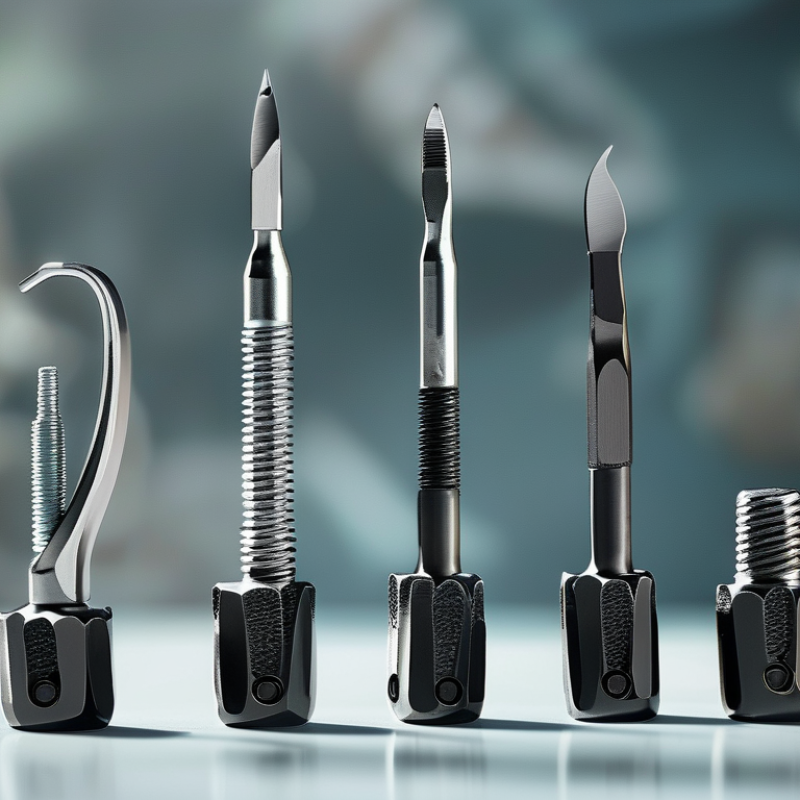
Overview of Implant Screwdrivers in Dental Procedures
Implant screwdrivers play a crucial role in dental procedures, particularly in placing dental implants. These tools ensure precise torque application, which is essential for the stability of the implant. The suitable screwdriver can facilitate smoother procedures, reducing patient discomfort. Various types of screwdrivers exist, and each is designed for specific implant systems. This variety means that dental professionals must choose wisely based on their experience and the specific needs of patients.
Many practitioners emphasize the importance of ergonomics in screwdrivers. A tool that feels comfortable can lead to better control during procedures. When a dentist feels strain or discomfort, it may affect the quality of the work. Moreover, maintaining the screwdrivers is vital; a worn-out tool can compromise surgical precision. Regular checks on the screwdriver's functionality are necessary to uphold safety standards. This constant evaluation can ensure that the best outcomes for patients are achieved during crucial dental procedures.
Types of Implant Screwdrivers and Their Applications
Implant screwdrivers are crucial tools in modern dentistry. They come in various types, each tailored for specific applications. Understanding these types is vital for efficient dental procedures.
Torque-controlled screwdrivers are widely used for placing implants. They provide consistent torque, preventing damage to sensitive components. Studies indicate that maintaining an optimal torque range enhances implant stability. This is essential for successful outcomes, especially in challenging cases.
Manual screwdrivers, on the other hand, offer tactile feedback. Dentists often prefer them for precise placements. However, they require significant skill and experience. A study found that novice users struggle with manual tools, leading to inconsistent results. This highlights the importance of training in their usage.
Furthermore, powered screwdrivers have gained popularity due to their speed. They reduce procedure time significantly, which is a major benefit in busy practices. Yet, they may pose a risk of over-tightening. This can damage surrounding structures or compromise the implant's integrity if not used correctly. Balancing speed and precision is a constant challenge for dental professionals.
Best Implant Screwdrivers for Efficient Dental Procedures | Type | Application | Features | Material |
| Hex Screwdriver | General Implant Insertion | Highly compatible with various implant systems | Stainless Steel |
| Torque Wrench | Precise Torque Application | Adjustable torque settings, ergonomic handle | Aluminum Alloy |
| Driver Handle | Manual Manipulation | Comfort grip, lightweight design | Plastic with Rubber Coating |
| Ratchet Screwdriver | Speedy Insertion and Removal | Allows for quick rotation | Carbon Steel |
| Magnetic Screwdriver | Holding Screws in Place | Magnetic tip for easy handling | Nickel-Plated Steel |
Key Features to Consider When Choosing Implant Screwdrivers
When choosing implant screwdrivers, consider several key features. The material is crucial. Many experts recommend titanium or stainless steel for durability. A recent industry report highlighted that high-quality materials increase screwdriver lifespan by up to 40%. Ergonomics also play a vital role. A well-designed handle can reduce hand fatigue, improving overall efficiency during procedures.
Another important factor is the drive type. Hexagonal and Torx drive systems are popular for their secure fit. A study showed that secure engagements reduce the risk of stripping, ensuring smoother implant placements. Additionally, having interchangeable tips can enhance versatility in diverse cases.
Tips: Always check for compatibility with the specific implant systems used in your practice. Regular maintenance of screwdrivers, including cleaning and inspection, can prevent unexpected failures during procedures. Ensuring the right balance between weight and functionality can help improve precision. Reflecting on past challenges can inform improvements in tool selection.
Maintenance and Care for Implant Screwdrivers
Implant screwdrivers are crucial tools in dental procedures. Proper maintenance ensures their longevity and effectiveness. Regular cleaning after each use is essential. Bacteria and debris can accumulate on their surfaces, potentially harming patients. A soft brush or cloth can effectively clean them.
Storing screwdrivers in a designated, dry area prevents damage. Humidity can lead to corrosion, reducing their performance. Inspecting tools for wear and tear is also vital. A tiny crack could lead to tool failure during surgery. Reflections on practice reveal that neglecting small issues often leads to larger problems.
Additionally, follow the manufacturer’s guidelines for sterilization. Autoclaving might not suit all materials. Understanding the specific needs of each screwdriver type is key. Regular training sessions on tool care can enhance the team's overall efficiency. Keeping updated with best practices helps in maintaining high standards.
Best Implant Screwdrivers for Efficient Dental Procedures
This chart illustrates the performance ratings of various implant screwdrivers based on five key evaluation criteria: Ease of Use, Durability, Cost Effectiveness, Compatibility, and Maintenance. Each criterion is rated on a scale of 1 to 10, providing a visual representation of how these tools perform in essential areas for efficient dental procedures.
Top Brands and Models of Implant Screwdrivers in the Market
Choosing the right implant screwdriver can greatly improve dental procedures. There are various types available, each designed for specific implants. Many dentists prefer screwdrivers that provide a firm grip and the right torque. This ensures screws are placed securely without damaging surrounding tissues.
Several reputable brands offer quality implant screwdrivers. These brands often focus on ergonomics and durability. However, the market is flooded with options, making it challenging for dental professionals to choose. Some screwdrivers excel in precision, while others may lack in ease of use. Research and hands-on trials are essential before making a selection.
Staying updated with the latest models can be beneficial. New technology in screwdriver design can enhance efficiency. However, it’s important to recognize that not every new model will suit every practitioner. Some may find traditional designs more reliable than new, innovative ones. Evaluating personal preferences and procedural needs is crucial for making informed choices.



