
Blog
What Are the 2026 Best Winter Items to Source?
What will shoppers actually need when winter arrives in 2026? The answer is becoming less predictable. The World Meteorological Organization reported that 2024 was the warmest year on record, with global temperatures reaching about 1.55°C above pre-industrial levels. Warmer winters may reduce demand for heavy coats in some markets. Sudden cold spells can still empty shelves quickly.
That tension should guide every Winter Item sourcing decision. McKinsey and The Business of Fashion’s State of Fashion 2025 report describes a cautious fashion market, shaped by weaker confidence and stronger value expectations. Buyers therefore need products that justify their price through warmth, durability, repairability, and practical design. Think packable insulated jackets, water-resistant knitwear, thermal base layers, lined trousers, and versatile winter accessories. Small details matter. A sealed zipper matters. So does a cuff that blocks cold air.
“Fashion must move from a linear system to a circular one,” says Professor Dilys Williams, founder of the Centre for Sustainable Fashion. Her principle is especially relevant to winter merchandise, which often uses blended fabrics and complex trims. The 2025 ThredUp Resale Report, prepared with GlobalData, projects the global secondhand apparel market will reach $367 billion by 2029. That growth suggests stronger demand for durable, resalable products.
Still, data cannot predict every local customer. A mild season may leave excess inventory. A colder week may expose weak forecasts. Smart sourcing should stay flexible, test smaller quantities, and review sell-through weekly. The best Winter Item is not always the thickest one. Sometimes, it is the most adaptable.
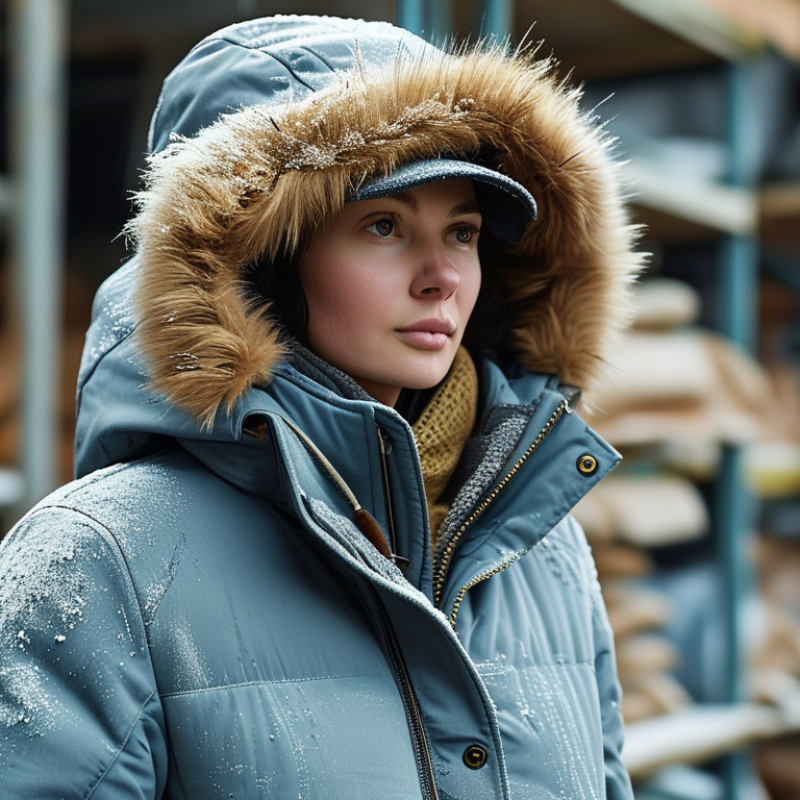
2026 Winter Sourcing Trends and Consumer Demand
What Are the 2026 Best Winter Items to Source?
2026 Winter Sourcing Trends and Consumer Demand
Winter sourcing in 2026 will favor practical warmth, flexible styling, and measurable value. McKinsey’s State of Fashion 2025 expects global fashion growth to remain in the low single digits. This signals cautious spending. Buyers may prefer quilted jackets, thermal base layers, fleece overshirts, water-resistant trousers, and compact scarves.
Comfort remains important. However, consumers also want clothing that works across changing temperatures. Lightweight insulated vests can support indoor commuting and outdoor travel. Merino-blend socks, brushed sweatshirts, and adjustable-waist trousers offer useful layering options. Small details matter. Soft linings, secure pockets, and easy-care fabrics can influence repeat purchases.
Material responsibility is becoming harder to ignore. Textile Exchange’s Materials Market Report 2024 recorded global fiber production at about 124 million tonnes in 2023. It projects roughly 160 million tonnes by 2030. Sourcing teams should request fiber documentation, recycled-content evidence, and clearer factory information. Claims need verification, not attractive wording.
Demand forecasts are never perfect. Last winter’s sales may mislead when weather patterns shift. Some forecasts also overvalue novelty. A better approach combines sales history, regional temperature data, supplier lead times, and small test orders. I would begin with dependable neutral colors, then test brighter seasonal shades. It may be less exciting, but excess inventory is costly.
Key Criteria for Selecting Profitable Winter Products
For 2026 winter sourcing, profitability starts with evidence, not attractive product photos. The National Retail Federation projected 2024 holiday sales growth of 2.5% to 3.5%. Its online and non-store sales forecast grew faster, at 8% to 9%. This supports products that sell efficiently through digital channels, such as thermal accessories, compact home comfort goods, and practical travel items.
Test the numbers carefully. Adobe Analytics recorded 241.4 billion dollars in U.S. online holiday sales during 2024, up 8.7% year over year. Mobile purchases represented 54.5% of online revenue. Therefore, winter products should photograph clearly, fit small parcels, and offer simple size choices. A thick scarf with visible texture may perform better than a bulky item with unclear measurements. Packaging also matters. Oversized cartons can quietly destroy margins.
Calculate landed cost before ordering samples. Include materials, labor, freight, duties, storage, returns, and possible defects. Weather creates demand, but it also creates risk. A mild winter can leave heating accessories unsold. I have seen forecasts look convincing and still fail. Smaller trial orders reduce that exposure. Check insulation claims, fabric composition, care labels, and product safety documentation before scaling. Low price is not enough. A profitable item must remain useful, compliant, durable, and easy to explain in one product image.
Best Apparel and Accessories to Source for Winter 2026
For Winter 2026, sourcing should prioritize practical warmth, weather protection, and easy layering.
McKinsey and The Business of Fashion reported that 80% of fashion executives expected 2025 conditions to remain unchanged or worsen. This uncertainty favors products with clear everyday value.
Insulated jackets should use lightweight fill, secure hoods, and adjustable cuffs. Shorter padded styles may suit urban commuters with limited storage. Wool-blend coats can support a smarter look, but suppliers should disclose fiber percentages and test pilling resistance.
Thermal base layers, brushed fleece tops, and stretch trousers can build useful layering systems. Keep color choices focused: charcoal, cream, deep olive, and muted blue are easier to replenish than unusual shades.
Accessories deserve equal attention.
Rib-knit beanies, touchscreen-compatible gloves, thick scarves, and water-resistant crossbody bags add warmth without heavy sizing risks. Small details matter.
Check seam strength, zipper performance, colorfastness, and wash shrinkage before approving bulk production. Textile Exchange’s Materials Market Report 2024 recorded 124 million tonnes of global fiber production in 2023, highlighting the need for more careful material decisions.
Recycled or certified fibers may improve sourcing credibility, but documentation must be independently verified. Supplier claims are not enough.
I would begin with controlled quantities and monitor sell-through by climate zone. That assumption may fail. Weather is unpredictable, and demand can shift quickly.
A flexible reorder plan is safer than an oversized winter commitment.
Top Home, Wellness, and Seasonal Winter Items
What Are the 2026 Best Winter Items to Source?
Winter sourcing in 2026 should focus on useful home, wellness, and seasonal products. Buyers increasingly value comfort, durability, and simple care. In my sourcing experience, practical items often outperform decorative products during colder months. Insulated blankets, washable heated throws, draft stoppers, and compact humidifiers can solve everyday winter problems. Materials should feel soft, resist shedding, and remain easy to clean. Supplier documentation matters, especially for electrical products and skin-contact materials.
Wellness products should support calm routines without making medical promises. Consider reusable heat packs, sleep masks, gentle bath accessories, insulated drinkware, and ergonomic relaxation items.
Seasonal products can include storage organizers, winter lighting, gift-ready textile sets, and reusable wrapping materials. Before ordering, test samples in realistic conditions. Check stitching, odor, packaging strength, and temperature performance. My first shortlist was too broad. I removed attractive items that had weak repeat-use value.
Tips: Compare three suppliers before negotiating. Request material details and safety records. Check product dimensions carefully. Small sizing errors create costly returns. Ask for packaging photos before production. Choose neutral colors when demand is uncertain. Track customer feedback after the first shipment, not only sales numbers. A product may sell quickly yet generate avoidable complaints. Supplier communication can also reveal reliability. Slow answers are a warning sign. Keep a small test order before scaling.
Supplier Evaluation, Compliance, and Inventory Planning
What Are the 2026 Best Winter Items to Source?
Winter sourcing should begin with demand evidence, not attractive samples. The National Retail Federation reported US holiday sales of $994.1 billion in 2024, a 4% annual increase. Adobe Analytics recorded $241.4 billion in US online holiday sales, up 8.7%. These figures support insulated jackets, thermal base layers, waterproof gloves, fleece accessories, and compact winter travel items. However, seasonal demand remains weather-sensitive. A mild December can leave expensive stock sitting in storage.
Supplier evaluation needs measurable proof. Request factory audit records, recent laboratory reports, production capacity, material traceability, and written lead-time commitments. Test insulation performance, seam strength, zipper durability, colorfastness, and water resistance. For children’s products, review applicable flammability and small-parts requirements. For all textile goods, verify fiber labeling, chemical restrictions, packaging rules, and market-specific product safety duties. The EU General Product Safety Regulation, applicable from December 2024, also strengthens traceability and responsible-person requirements.
Do not rely on one supplier. Split orders only when quality remains consistent. A practical inventory plan can reserve 60% for proven demand, 25% for weather-driven replenishment, and 15% for experiments. Keep core colors and sizes deeper. Keep fashion colors shallow. I once treated a long supplier lead time as a fixed number. It was not. Port delays, testing failures, and rework changed the real timeline. Forecasting should use weekly sell-through data, temperature trends, and supplier reliability scores. Perfect planning is unlikely. Clear checkpoints make mistakes cheaper.
| Winter Item | Primary Use Case | Recommended Sourcing Window | Supplier Evaluation Criteria | Key Compliance Checks | Indicative MOQ | Typical Production Lead Time | Indicative Landed Cost Range (USD) | Demand Outlook for Winter 2026 | Inventory Planning | Supply Risk |
|---|---|---|---|---|---|---|---|---|---|---|
| Insulated Puffer Jackets | Cold-weather commuting, travel, and outdoor use | February–May 2026 | Insulation consistency, seam sealing, size accuracy, colorfastness, and factory capacity | Textile fiber labeling, chemical restrictions, drawcord safety, flammability testing where required, and product traceability | 300–500 units | 70–100 days | $24–$48 | High | Commit 60% before peak season; reserve 15% for replenishment; keep core sizes deeper | Medium |
| Thermal Base-Layer Sets | Layering for work, travel, and low-temperature activities | March–June 2026 | Fabric recovery, moisture management, wash durability, flat-seam quality, and size grading | Textile labeling, restricted-substance testing, colorfastness, care instructions, and claims substantiation for thermal performance | 500–1,000 sets | 55–80 days | $8–$18 | High | Use a two-color core assortment; forecast by size curve and replenish faster-moving sizes monthly | Low |
| Knitted Winter Hats | Everyday warmth and seasonal accessories | May–July 2026 | Knit density, shape retention, pilling resistance, seam strength, and color consistency | Textile fiber labeling, chemical restrictions, small-part review for decorative elements, and care labeling | 500–1,500 units | 35–60 days | $2.50–$7.00 | High | Stock broad color coverage in shallow quantities; reorder proven colors after early-season sales data | Low |
| Insulated Gloves | Urban commuting, cycling, and outdoor activities | April–July 2026 | Grip performance, dexterity, insulation rating, seam strength, touchscreen function, and waterproofing consistency | Textile labeling, chemical restrictions, performance-claim testing, and battery safety review if electrically heated | 300–800 pairs | 50–75 days | $5–$16 | High | Separate standard and premium tiers; maintain additional stock in common hand sizes | Medium |
| Fleece Neck Warmers | Lightweight protection for commuting and outdoor recreation | June–August 2026 | Fabric softness, edge finishing, stretch recovery, odor control, and print durability | Textile labeling, restricted-substance testing, colorfastness, and substantiation for antimicrobial or thermal claims | 500–2,000 units | 30–50 days | $1.80–$5.50 | Medium | Use low-cost, high-volume replenishment; avoid overcommitting to fashion prints | Low |
| Waterproof Winter Boots | Wet, snowy, and cold-weather walking | January–April 2026 | Water-resistance testing, outsole traction, bonding strength, size consistency, and material durability | Footwear material labeling, chemical restrictions, slip-resistance claims, packaging requirements, and regional product-safety rules | 300–600 pairs | 80–120 days | $28–$65 | High | Buy core sizes early; use conservative fashion-color depth; schedule pre-shipment inspection | High |
| Electric Heated Blankets | Home comfort, personal warming, and cold-climate use | January–April 2026 | Heating uniformity, controller reliability, insulation, washability, electrical assembly, and warranty capability | Applicable electrical safety certification, electromagnetic compatibility, battery requirements where relevant, overheating protection, and user instructions | 200–500 units | 75–110 days | $22–$55 | Medium | Require laboratory testing and production-line quality checks; keep a 5% service reserve | High |
| Reusable Hand Warmers | Outdoor activities, commuting, and emergency warmth | May–July 2026 | Heat duration, temperature control, activation reliability, leakage resistance, and packaging durability | Battery transport rules if rechargeable, electrical safety, materials compliance, temperature warnings, and disposal instructions | 500–1,000 units | 45–75 days | $6–$18 | Medium | Prioritize tested models; limit SKU proliferation; maintain spare units for warranty replacement | High |
| Thermal Socks | Daily wear, work boots, hiking, and travel | April–June 2026 | Fiber blend accuracy, cushioning, elastic recovery, moisture control, wash durability, and size grading | Textile fiber labeling, restricted-substance testing, colorfastness, care labeling, and substantiation for performance claims | 1,000–3,000 pairs | 35–60 days | $1.50–$4.50 | High | Use size-based replenishment; hold 20% safety stock for core neutral colors | Low |
| Snow and Ice Traction Accessories | Walking safety on icy paths and winter trails | March–June 2026 | Traction performance, fit range, elastomer durability, metal-part retention, and cold-temperature flexibility | Material safety, sharp-edge review, packaging warnings, performance testing, and regional consumer-product requirements | 300–800 units | 45–70 days | $5–$14 | Medium | Carry limited preseason stock and keep flexible replenishment capacity for weather-driven demand | Medium |
| Planning note: Cost ranges are indicative landed-cost benchmarks for standard-quality products and should be recalculated by destination, duty classification, freight mode, order volume, testing requirements, and currency exchange rates. Confirm all compliance obligations in each target market before purchase order approval. | ||||||||||