Blog
China Best Foot Massager Supplier for Wholesale Buyers
For wholesale buyers, choosing a Foot Massager supplier means evaluating more than unit price. Product consistency, safety documentation, packaging, and dependable lead times all shape the real cost of an order. A sample that feels smooth on the footrest but differs from the bulk shipment is a costly surprise.
The market context is encouraging, but it needs careful interpretation. The World Health Organization reports that one in six people worldwide will be aged 60 or older by 2030. McKinsey’s 2024 wellness research also found that wellness is a high priority for many consumers in major markets, including China. These reports describe broader demographic and wellness trends; they do not prove demand for any single foot-care product. That distinction matters.
A reliable supplier should make product checks practical. Ask for specifications on roller movement, heat settings, control layout, materials, and carton dimensions. Compare pre-production samples with finished goods, and request clear records for quality checks and shipment schedules. Small details count. A control button that is hard to reach, or a carton that wastes shelf space, can affect reviews and logistics. Wholesale buyers should also verify claims independently and confirm that product documents match the destination market. Not every supplier will be the right fit. A transparent factory may cost more upfront, yet clear communication and repeatable quality can reduce avoidable problems. The best sourcing decision is rarely made from a catalogue alone.
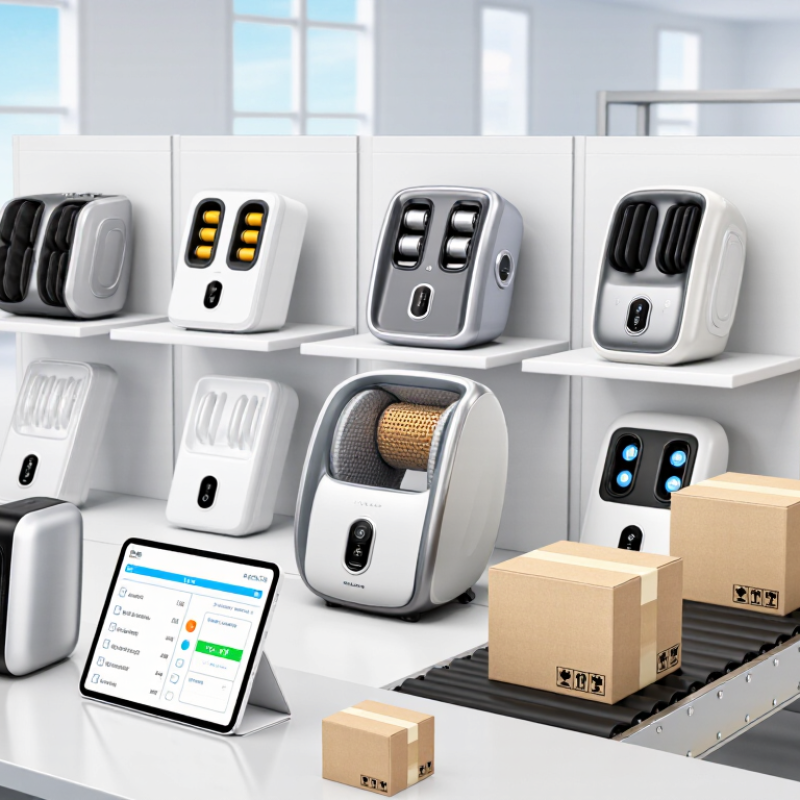
What Defines a Foot Massager Supplier for Wholesale Buyers
China Best Foot Massager Supplier for Wholesale Buyers
What Defines a Foot Massager Supplier for Wholesale Buyers
For wholesale buyers, a dependable foot massager supplier offers more than a low quotation. They can provide clear product specifications, sample units, realistic production timelines, and consistent answers about materials and functions. Check details such as massage modes, heat settings, control layout, cable length, and carton dimensions. These affect customer experience and shipping costs. A supplier should also explain how it checks finished units, including basic function tests and packaging inspection. Ask for records or examples rather than relying only on verbal assurances.
No checklist catches everything. A sample may feel good, yet bulk units can vary if quality checks are unclear. Ask how defects are recorded and handled, and agree on inspection steps before ordering. Communication is another useful measure: clear replies about delays or specification changes are more valuable than promises of perfect service. A capable supplier makes limitations visible, too.
Types of Foot Massagers and Their Core Features
Foot massagers differ in how they apply pressure, warmth, and movement. Manual roller models use ridged tracks under the soles. They are simple to operate and easy to store, though they require users to move their feet themselves. Shiatsu-style units use rotating nodes to knead the arches and heels. Check whether rotation direction and intensity can be adjusted.
Air-compression models wrap the feet or ankles in soft chambers that inflate and release. They offer a gentler, more enclosing feel. Vibration models focus on rapid surface movement, while heated units add warmth during a session. Heat can improve comfort, but it should not be described as a cure. Some products combine several features, yet extra functions do not always mean a better experience.
For wholesale buyers, compare fit range, control layout, noise, cleaning access, and the feel of materials against actual samples. A pressure setting that feels soothing to one person may feel too strong to another. Small controls matter. Ask suppliers for clear operating instructions, product specifications, and consistent quality checks across production batches. Users with reduced foot sensation should follow instructions carefully and seek professional advice when unsure. A sample test can reveal issues that a feature list misses.
How to Evaluate a Supplier’s Quality and Reliability
When comparing China-based foot massager suppliers, assess quality on the production floor, not through a polished catalog. ISO’s 2022 Survey recorded 1,265,216 valid ISO 9001 certificates across 189 countries and economies. This shows certification is widespread; it does not prove that a particular model is durable or consistent. Ask for the certificate’s scope, issuing body, expiry date, and factory address, then verify them independently. Paperwork is not proof.
Request a pilot batch and inspect the details users will notice: loose stitching, uneven roller pressure, hot spots, cord strain, and rattling after repeated cycles. Ask for test records covering electrical safety, temperature control, and endurance, matched to the exact model and version. Compare batch defect rates and corrective-action records with the supplier’s claims. Test it yourself. A factory visit can still miss problems that appear after months of use, so retain samples from each production run and agree on clear inspection criteria before ordering. Some checks take time, and that is easy to underestimate.
China Best Foot Massager Supplier for Wholesale Buyers - How to Evaluate a Supplier’s Quality and Reliability
| Evaluation Dimension | What to Check | Evidence to Request | Practical Evaluation Guidance | Score (1–5) |
|---|---|---|---|---|
| Product quality control | Incoming component checks, in-process inspections, final testing, and documented handling of defects. | Quality-control procedures, inspection records, sample test reports, and corrective-action examples with confidential details removed. | Check that inspection steps match the product and are recorded. Agree on acceptance criteria and defect classification before placing an order. | ____ / 5 |
| Electrical and product safety | Electrical safety, temperature control, insulation, wiring, plug type, and safeguards appropriate to the model and destination market. | Model-specific test reports and certificates, with issuing laboratory, report date, tested model, and applicable standard or market clearly identified. | Confirm documents cover the exact product configuration and target country. Ask the buyer’s compliance specialist to confirm applicable requirements; standards and rules vary by market. | ____ / 5 |
| Materials and restricted substances | Materials used in the housing, massage components, cables, and any parts that contact skin; substance restrictions applicable to the destination market. | Material specifications, supplier declarations, and relevant laboratory reports where required. | Match documents to the product and its materials. Do not treat a general declaration as proof that every component has been tested. | ____ / 5 |
| Sample performance and durability | Operation of heat, vibration, rollers, air compression, controls, and timers, where fitted; noise, stability, and visible finish. | Production-representative samples, test protocol, test duration, recorded results, and a list of model options or variants. | Test samples under normal intended use and compare them with the approved specification. Define any endurance-test method and acceptance limits with the supplier before testing. | ____ / 5 |
| Production capacity and consistency | Available production lines, staffing, component sourcing, peak-season planning, and controls for keeping repeat orders consistent. | A production-flow overview, capacity assumptions, order schedule, and a plan for managing material or design changes. | Compare the proposed order quantity and schedule with demonstrated resources. Ask how changes to components or production sites are communicated and approved. | ____ / 5 |
| Order lead time and delivery reliability | Lead-time assumptions, order milestones, packaging readiness, shipping arrangements, and communication about delays. | Written production schedule, agreed shipment window, milestone updates, and clearly stated delivery terms. | Separate production time from transit time. Confirm which party is responsible for each shipping, inspection, and customs step under the agreed terms. | ____ / 5 |
| Traceability and change control | Ability to identify production batches and track approved specifications, components, and revisions. | Example batch or lot records, version-controlled product specifications, and a written change-notification process. | Check that the delivered product can be linked to a production batch and approved specification. Require written approval for material or design changes that affect agreed requirements. | ____ / 5 |
| Packaging and shipping protection | Product protection, carton strength, accessory packing, labeling, and suitability for the planned transport and storage conditions. | Packaging specifications, carton dimensions and weights, label artwork, and a sample or packaging-test records where available. | Review a packed sample and confirm labeling requirements for the destination market. Set packaging and transit-damage expectations in writing. | ____ / 5 |
| Warranty and after-sales support | Warranty scope, claim process, replacement-part availability, response channels, and responsibility for service costs. | Written warranty terms, parts list, claims procedure, and sample response timelines. | Clarify coverage period, exclusions, evidence required for a claim, and how replacement parts or remedies will be arranged in the buyer’s market. | ____ / 5 |
| Commercial transparency and communication | Quotation detail, minimum order quantity, payment terms, tooling or customization charges, and clarity in written responses. | Itemized quotation, written order terms, specification sheet, and a named contact for order and quality issues. | Compare like-for-like specifications and check that all agreed costs, product options, and responsibilities are documented before payment or production. | ____ / 5 |
| Scoring guide: 1 = insufficient evidence or major concerns; 2 = below expectations; 3 = acceptable with follow-up; 4 = strong documented performance; 5 = consistently strong, verifiable evidence. Treat scores as a buyer’s comparison tool, not as an independent certification. | Total: ____ / 50 | |||
Wholesale Pricing, Minimum Orders, and Customization Options
China Best Foot Massager Supplier for Wholesale Buyers
For wholesale buyers comparing Chinese suppliers, ask for unit prices at several order levels, plus sample, tooling, packaging, and freight costs. Request quotes at 100, 500, and 1,000 units as comparison points, not assumed minimums. Actual MOQs vary with motor sourcing, packaging, and product changes. A stock model may be a lower-risk way to test demand. Custom colors, control layouts, heat settings, and packaging can increase setup costs or minimum quantities. Ask the supplier to price each change separately.
The Global Wellness Institute’s 2024 Global Wellness Economy Monitor valued the global wellness economy at $6.3 trillion in 2023 and projected $9 trillion by 2028. This broad figure is not a foot-massager sales forecast, but it shows the scale of consumer spending around wellness. That distinction matters. Before a large order, test a production sample: check pressure settings, heat consistency, cable strain, and noise during a typical session. Small details matter. Compare landed cost, not just the factory price, and request written details on lead time, defect handling, and carton dimensions. I would not assume the cheapest quote is the best value; unclear customization fees can erode the margin.
China Best Foot Massager Supplier for Wholesale Buyers
Illustrative wholesale pricing by order quantity
This sample scenario shows how unit prices might change across order tiers; the figures are illustrative, not supplier quotes or market averages. Minimum order quantities, product specifications, packaging, and customization options vary by supplier and should be confirmed when requesting a quotation.
Product Compliance, Shipping, and After-Sales Support
For wholesale buyers sourcing foot massagers from China, compliance should be checked before production, not after cartons are sealed. Ask for test reports tied to the exact model, plug, voltage, and control unit you plan to order. IEC 60335-2-32 covers particular safety requirements for massage appliances; it complements the general household-appliance safety standard. Requirements still vary by destination. A report for a similar model is not enough. Keep a signed specification, packaging artwork, and serial or batch records together. Small discrepancies matter.
Shipping needs the same practical attention. UNCTAD’s Review of Maritime Transport 2024 reports that global maritime trade grew by 2.4% in 2023, while disruption and uncertainty continued to affect routes. The World Bank’s 2023 Logistics Performance Index assessed 139 economies, underscoring how customs, infrastructure, and shipment reliability shape delivery. Request a carton-size and gross-weight list before booking freight, then compare it with the final packing list. A few centimeters can change pallet use and costs. Delays happen. Build buffer time.
After-sales support should be measurable, not just promised. Agree on response times, spare-part availability, defect evidence, and who pays for replacement freight. Ask the supplier to share troubleshooting steps and clear photos of common failures. Keep a small reserve of controllers, cables, or other replaceable parts where appropriate. I would still verify every claim against the destination market; a neat certificate file can hide gaps.