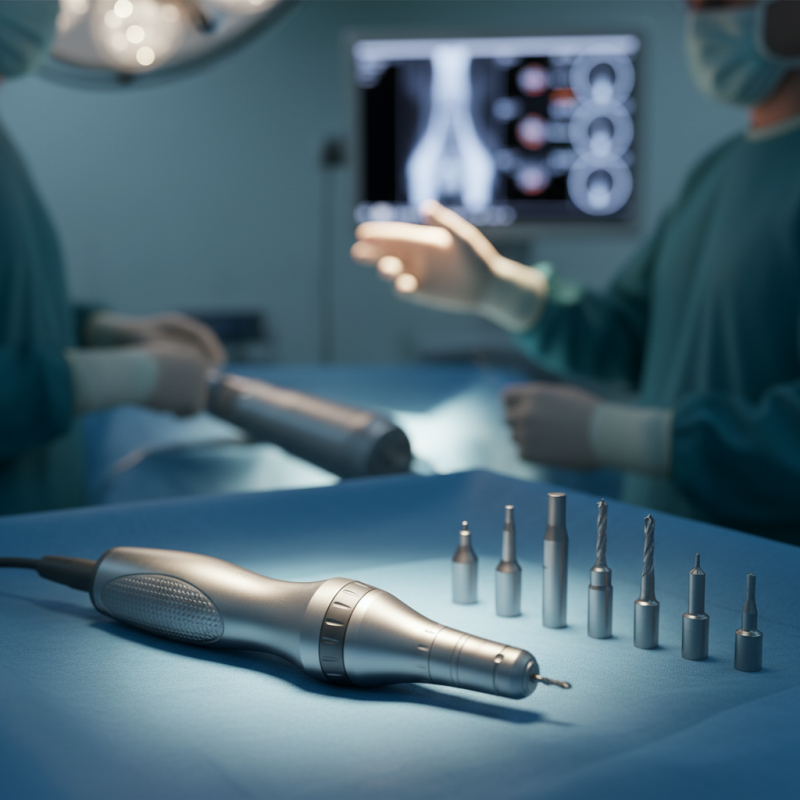
How to Choose the Best Neuro Surgical Drill for Your Needs?
Choosing the right neuro surgical drill is crucial for successful procedures. The diversity in designs, features, and sizes can be overwhelming. Surgeons must consider their specific needs and the types of surgeries they perform.
A neuro surgical drill must balance precision and power. Different operations may require different speed settings. Some drills offer adjustable settings that accommodate various surgical scenarios. It is essential to evaluate these features based on your specific requirements.
Experience matters. Some drills may feel heavy or unwieldy, affecting handler fatigue during long procedures. Choosing a drill that feels comfortable in hand can elevate performance. Always seek feedback from colleagues about their experiences. Consider cleanliness and ease of sterilization as well. These details can make or break your choice.
Understanding the Importance of Neuro Surgical Drills in Modern Medicine
Neuro surgical drills play a crucial role in modern medicine. These specialized tools allow surgeons to perform intricate procedures on the brain and spinal cord. The precision offered by these drills significantly improves patient outcomes. However, not all drills are created equal, and choosing the right one requires careful consideration.
When selecting a neuro surgical drill, several factors come into play. The weight and design impact the surgeon’s comfort during lengthy operations. Additionally, the drill's RPM (revolutions per minute) can affect its effectiveness on different tissues. Surgeons must also take into account the drill's sound and vibration, which can influence their concentration. Inexperienced users may find it challenging to balance power and control.
Another aspect to reflect on is the need for continuous training. As technology evolves, familiarity with new equipment is essential. Surgeons may not always have access to the latest models, making adaptability crucial. It’s important to recognize that even the best tools can fall short if not used correctly. This ongoing learning process helps improve surgical skills and ultimately benefits patients.
Neurosurgical Drill Usage by Procedure Type
Key Features to Consider When Choosing a Neuro Surgical Drill
When selecting a neurosurgical drill, several key features should guide your decision-making. The drill's weight plays a vital role. A lightweight design can reduce physician fatigue during lengthy procedures. A study from the Neurosurgery Journal highlighted that fatigue can affect precision, making weight an essential factor.
Additionally, consider the drill's versatility. Modern models often have adjustable speed settings. These settings allow for better management of bone density variations. According to clinical data, using the wrong speed can increase the risk of thermal injury to brain tissue. It's a reminder that precision is crucial, and not all drills are interchangeable.
Ergonomics are another critical element. A comfortable grip can influence performance. Surveys from surgical staff indicate that poorly designed controls lead to dissatisfaction and can even result in errors. It’s worth reflecting on how minor discomfort can lead to significant consequences in the operating room. The right neurosurgical drill should enhance surgical precision, not hinder it.
Analyzing the Precision and Power Requirements for Neuro Surgery Tools
When selecting a neurosurgical drill, precision and power are crucial. Neurosurgery often demands extreme accuracy. A report from the Journal of Neurosurgery outlines that even a 1mm deviation can result in significant complications. Surgeons require tools that minimize such risks. Detailed specifications of drill speed and torque are essential for optimal performance.
Power management is also a key factor. Studies have shown that tools with adjustable settings allow for greater control during delicate procedures. A study highlighted that neurosurgeons preferred drills with variable speed control. This flexibility can enhance the tool's effectiveness, particularly in sensitive areas of the brain.
However, not all drills meet these needs. Some tools lack sufficient power to navigate dense bone structures effectively. The balance between power and precision remains an ongoing challenge. As the field evolves, it is vital to keep reassessing these tools. Continuous feedback from surgical teams is necessary to refine drill designs. This iterative process can lead to better outcomes in neurosurgery, ensuring safer surgeries for patients.
Evaluating Safety Standards and Certifications for Neuro Surgical Drills
Choosing a neuro surgical drill involves careful consideration of safety standards and certifications. These factors are crucial for patient safety and effective medical procedures. When evaluating drills, look for compliance with recognized safety standards. The International Organization for Standardization (ISO) often sets strict guidelines. A drill that meets ISO standards provides assurance of quality and reliability.
Certification from relevant medical boards is also essential. This indicates that the device has passed rigorous testing. Certificates should be easily accessible and verifiable. If not, this raises red flags about the product's legitimacy. A drill might look advanced, but without appropriate certifications, its safety profile is uncertain.
Additionally, examine the drill's design for user-friendly features. Ergonomics plays a role in preventing fatigue during lengthy surgeries. A device that is too heavy or poorly balanced may hinder performance. Some drills may be well-reviewed but lack the intuitive design most surgeons desire. It’s vital to ensure that a drill not only complies with standards but is also tailored to the specific needs of neurosurgery.
Comparative Costs: Finding the Best Value for Neuro Surgical Equipment
When choosing a neuro surgical drill, cost is a major factor. According to a recent industry report, prices for neuro surgical equipment can vary significantly. Basic models may start at around $5,000, while advanced systems can exceed $50,000. This wide range makes cost comparisons essential.
A critical aspect of finding value is understanding the total cost of ownership. Ongoing maintenance and repair costs can add up. A study showed that hospitals spend approximately 15% of their initial investment on maintenance each year. This means that a lower upfront cost may not always equate to better long-term savings.
Furthermore, consider the training required to operate these devices. High-tech drills may necessitate extensive training, leading to additional costs. Every facility must analyze its specific needs carefully. Some might opt for a basic model, while others may benefit from advanced features. Balancing initial costs with long-term efficiency is vital.