
Blog
What Is the Best China Cordyceps Extract Supplier?
Choosing the best China Cordyceps Extract supplier requires more than comparing prices or reading polished websites. The real test begins with the material itself. Is the species clearly identified? Is it cultivated under controlled conditions? Can the supplier show batch records, testing results, and a complete Certificate of Analysis?
Christopher Hobbs, a respected medicinal mushroom expert, has described Cordyceps as “one of the most famous medicinal mushrooms in the world.” That reputation creates responsibility. A reliable supplier should explain whether the product uses Cordyceps militaris, another species, or a blended source. It should also disclose the extraction method, carrier ingredients, active compounds, and moisture levels. Clear answers matter.
The strongest suppliers usually offer traceable production from cultivation to finished powder. Their facilities should follow recognized quality systems, such as GMP principles, with independent testing for heavy metals, microbes, pesticides, and contaminants. Samples should match the final commercial batch. That detail is easy to overlook.
Price alone can mislead.
A low quotation may reflect weaker testing, unclear raw materials, or inconsistent extraction. Yet even experienced buyers can miss problems when documents appear complete. I would still request fresh records, verify laboratory names, and compare several batches before making a decision. Supplier visits, video audits, and small trial orders can reveal practical details, including packaging cleanliness and warehouse conditions.
This guide examines how to evaluate China Cordyceps Extract suppliers through evidence, transparency, production experience, and communication. The best partner is not necessarily the largest. It is the one that can repeatedly prove what it sells.
What Is China Cordyceps Extract and How Is It Made?
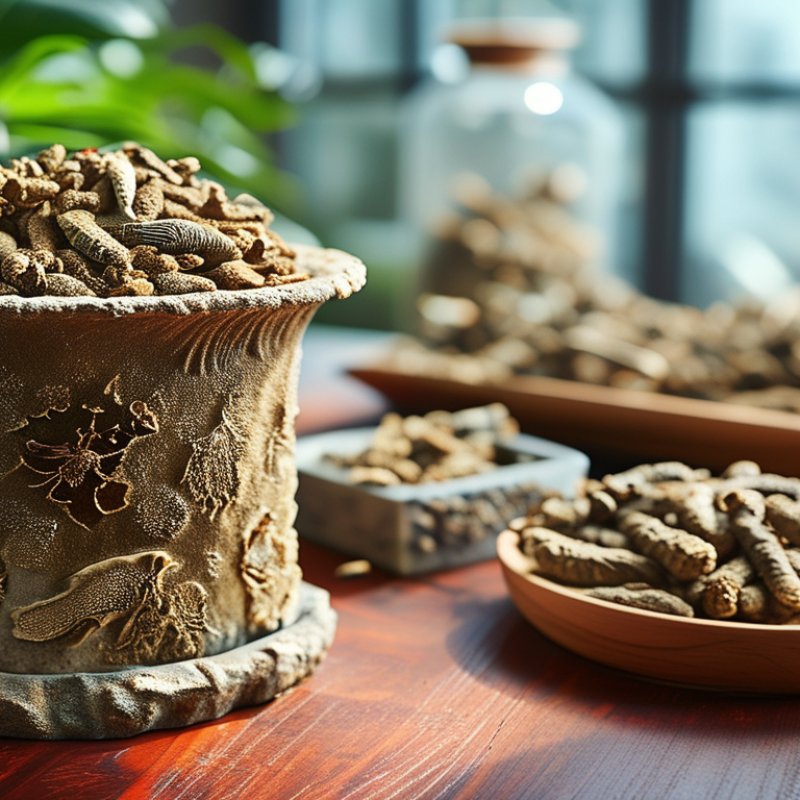
China cordyceps extract usually comes from cultivated Cordyceps militaris or related fungal strains. It is not the same as traditional wild fungus. Cultivation takes place on controlled grains or liquid media, where temperature, humidity, light, and airflow affect growth. The orange fruiting bodies are harvested when mature, then washed and dried at a controlled temperature. Excess heat can reduce sensitive compounds.
Manufacturers usually mill the dried material before extraction. Water is common for polysaccharides, while water-alcohol mixtures may target a broader range of compounds. The liquid is filtered, concentrated, and spray-dried or vacuum-dried into a powder. The result should have a consistent color, aroma, moisture level, and solubility. The process is not perfectly uniform. Different growing batches can produce different chemical profiles.
A reliable China cordyceps extract supplier should explain the species, cultivation method, extraction ratio, and processing temperature. Ask for batch-specific testing, not only a general specification sheet. Useful records include identity testing, microbial results, heavy metal screening, pesticide analysis, and residual solvent data. Testing for compounds such as cordycepin may also help, depending on the intended product. Packaging should protect the powder from light and humidity. I have found that small details matter, especially when a supplier gives clear answers about failed batches or testing limits. That honesty is more useful than polished claims.
Which Quality Standards Define a Reliable Supplier?
What Is the Best China Cordyceps Extract Supplier?
Which Quality Standards Define a Reliable Supplier?
A reliable China Cordyceps extract supplier should prove quality beyond attractive certificates. The supplier should identify the species, cultivation method, harvest location, and extraction process. Clear records matter. Each batch should carry a traceable code linked to raw material and production dates.
Look for GMP, HACCP, and ISO 22000-based controls. These systems show that hygiene, production risks, and food safety receive structured attention. A complete certificate of analysis should include cordycepin or adenosine levels, moisture, microbial limits, heavy metals, pesticides, and aflatoxins. Testing should come from an independent laboratory, not only an internal quality team. The report must match the actual batch.
Reliable suppliers also control extraction temperature, solvent use, drying, and packaging. Light-resistant containers can help protect sensitive compounds. Ask for stability data and storage conditions. A professional supplier should answer specific questions without vague promises.
A polished certificate is not enough.
A practical audit should examine cleaning records, calibration logs, worker training, and complaint handling. Traceability should work in both directions. The supplier must identify affected materials quickly if a problem appears. Some suppliers provide impressive documents but cannot explain testing limits clearly. That weakness deserves attention. Quality decisions should rely on repeated evidence, not one successful sample. I would also compare several batches, because consistency can be harder than achieving one strong laboratory result.
How to Compare China Cordyceps Extract Suppliers
What Is the Best China Cordyceps Extract Supplier?
Comparing China cordyceps extract suppliers requires more than checking price or catalog photos. I would begin with species identification, because Cordyceps militaris and wild Cordyceps sinensis are not interchangeable materials. Ask for the Latin name, cultivation method, harvest date, and production location. Clear records show whether the supplier understands its own raw material.
Request a current certificate of analysis for each batch. It should include active-marker testing, moisture, microbial limits, heavy metals, pesticides, and residual solvents. A reliable supplier should explain the extraction solvent, extraction ratio, carrier ingredients, and storage conditions. Independent laboratory verification adds credibility. However, a certificate alone is not proof of consistent quality. I have seen documents that looked complete but lacked a batch number.
Evaluate the factory, not just the sales representative. Check manufacturing licenses, quality systems, traceability procedures, and sample-to-batch consistency. Ask for a small sample before discussing large minimum orders. Compare its color, smell, solubility, and test results with the technical specification. Packaging also matters; moisture-sensitive powder needs sealed, food-grade protection. Confirm lead times, rejected-batch procedures, and whether the product fits your destination’s regulations. This part is often overlooked. My own comparisons became less tidy when suppliers used different testing methods, making similar percentages difficult to judge.
What Certifications and Tests Should Buyers Verify?
What Is the Best China Cordyceps Extract Supplier?
Buyers should verify certifications before comparing prices or extraction ratios. A reliable China Cordyceps extract supplier should provide current GMP, HACCP, and ISO 22000 documentation. Each certificate must match the manufacturing site, product category, and valid dates. Organic or halal claims also require relevant, active certification. A logo on a brochure is not enough.
Request a batch-specific Certificate of Analysis, not a general template. The report should confirm species identity, such as Cordyceps militaris or another declared species. It should also show marker compounds, extraction solvent, concentration ratio, moisture, and microbiological limits. Testing should cover heavy metals, pesticide residues, aflatoxins, and undeclared adulterants. Independent laboratories accredited to ISO/IEC 17025 provide stronger evidence.
Traceability matters in practical purchasing. Ask for the raw-material origin, batch number, production date, and retained-sample policy. I have learned that a polished certificate can still hide weak sampling procedures. Buyers should contact the laboratory and confirm the report number when possible. Results should be consistent across several lots, not only one favorable sample. Some suppliers may provide incomplete data because testing is expensive. That deserves a careful question, not an automatic rejection. Poorly translated documents can also cause misunderstandings. Request original records and clear English explanations. Supplier audits, small trial orders, and repeat testing can reveal weaknesses before a larger contract.
How to Choose the Best Supplier for Your Needs?
What Is the Best China Cordyceps Extract Supplier?
How to Choose the Best Supplier for Your Needs?
Choosing the best China cordyceps extract supplier requires more than comparing prices. Start with documented experience in botanical extraction and a clear understanding of your target market. Ask about the species used, extraction method, active-compound testing, and ingredient traceability. A reliable supplier should provide recent certificates of analysis for each batch, not just a general product sheet. Check testing for heavy metals, microbes, pesticides, and other relevant contaminants.
Tips: Request a small sample before placing a large order. Compare its appearance, odor, solubility, and test results with the supplier’s specifications. Review the certificate details carefully. The laboratory name, test date, batch number, and methods should match the product. Also ask whether the facility follows suitable quality systems, such as GMP principles, and whether production records can be reviewed during an audit.
Communication reveals a lot. Professional suppliers answer technical questions directly and explain limitations without promising impossible results. Confirm minimum order quantities, packaging, storage conditions, lead times, and export documentation. Verify that proposed claims and labeling meet the laws of your destination country. Some suppliers may offer impressive numbers without enough evidence. I have found that slower verification often prevents expensive mistakes. A polished website is not proof of quality. Suppliers should welcome reasonable questions, although no supplier can eliminate every risk.