What is a Health Care Home and How Does It Work?
The concept of a Health Care Home is reshaping the landscape of primary care. This model emphasizes patient-centered care, providing comprehensive services in a coordinated manner. According to the National Association of Community Health Centers, 93% of patients reported improved satisfaction in Health Care Homes. However, such models face challenges, including funding and resource allocation.
Health Care Homes leverage multidisciplinary teams to enhance care delivery. A report from the Agency for Healthcare Research and Quality highlights that these homes can reduce emergency room visits by 25%. Yet, disparities in access exist. Many communities still struggle to implement this model effectively, raising concerns about equity in health care.
Implementing a Health Care Home is not without its obstacles. Miscommunication between healthcare providers can lead to suboptimal patient outcomes. Continued investment and education are crucial for success. Engaging communities in this process ensures that Health Care Homes meet the diverse needs of all patients.

What is a Health Care Home?
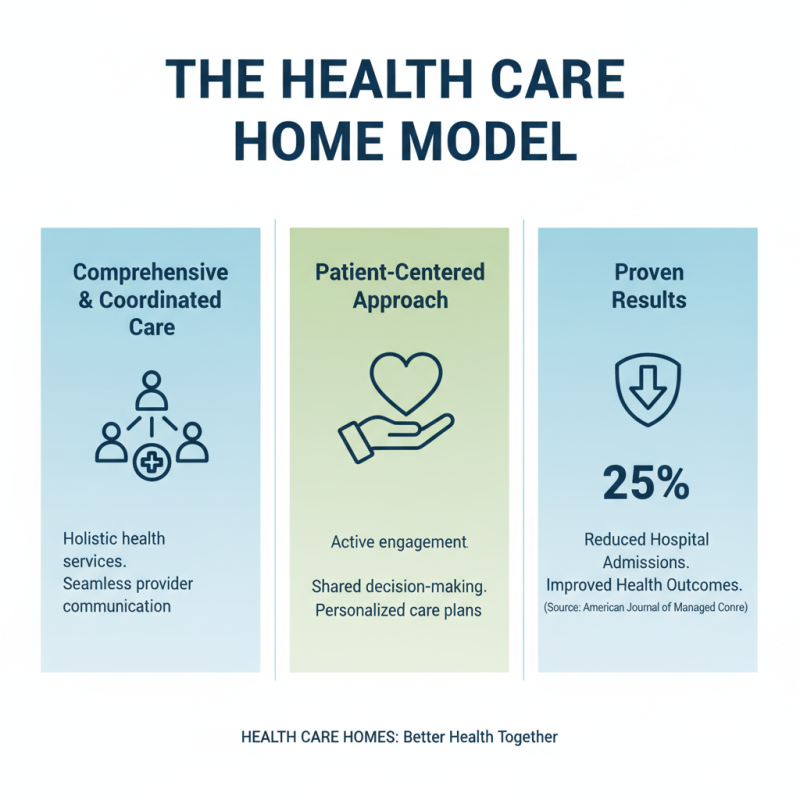
A Health Care Home focuses on comprehensive and coordinated medical care. This model prioritizes patient-centered practices, allowing individuals to engage actively in their health management. Research has shown that this approach improves health outcomes. According to a study published in the American Journal of Managed Care, health care homes can reduce hospital admissions by 25%.
The structure of a health care home is essential. It typically features a multi-disciplinary team that includes healthcare providers from various fields. Patients benefit from this collaborative environment. Yet, challenges persist. Many patients still encounter difficulties accessing their health records or understanding their care plans. A survey by the National Institute of Health showed that nearly 30% of patients felt their care lacked coordination.
Effective communication remains a critical element. Health care homes can improve it through regular follow-ups and shared decision-making. However, not all patients feel comfortable voicing their concerns. Improving this aspect is vital for enhancing patient trust. Reports indicate that optimistic outcomes occur when patients are actively involved in their health journeys. The need for continual reflection on these processes is crucial for the growth of health care homes.
Key Features of a Health Care Home
A Health Care Home is a patient-centered model focused on delivering comprehensive care. It emphasizes coordination among various health services. Each patient has a dedicated team that understands their unique needs. This team includes doctors, nurses, and other professionals. They work together to create a personalized care plan. This approach reduces gaps in service and promotes better health outcomes.
Key features of a Health Care Home include accessibility and continuity of care. Patients have easier access to their health care teams. This allows for timely responses to medical concerns. Regular check-ins help in monitoring health progress. Coordination among providers ensures that everyone is on the same page. Miscommunication can happen, leading to gaps in understanding a patient’s history.
Another important aspect is the focus on preventive care. Patients are encouraged to engage in healthier lifestyles. Education about managing chronic conditions is a vital part of this model. However, not everyone may feel responsible for their health. Overcoming these barriers can be challenging. Building trust within the care team is essential for success.
How Health Care Homes Function in Patient Care
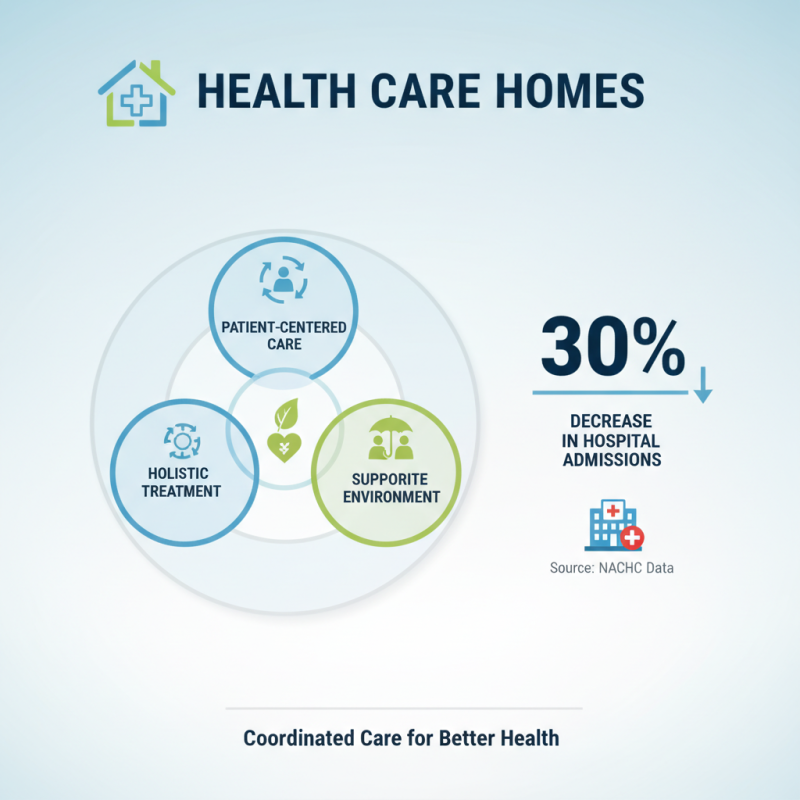
Health care homes aim to provide a patient-centered approach to medical care. They create a supportive environment focused on holistic treatment. Data from the National Association of Community Health Centers reveals that patients in these homes experience a 30% decrease in hospital admissions. This statistic highlights the effectiveness of coordinated care.
In health care homes, teams of providers work together. They include doctors, nurses, and social workers. This collaboration helps ensure comprehensive care tailored to individual needs. According to a report by the Patient-Centered Primary Care Collaborative, 70% of patients report improved health outcomes in a care home setting. However, some patients may still feel disconnected from their providers, indicating room for growth.
Communication in health care homes is vital. Regular check-ins and follow-up appointments are crucial. Yet, many patients struggle to keep these appointments. A study published in the American Journal of Managed Care found that missed appointments can lead to worsening health conditions. While health care homes offer better access, challenges remain in consistent patient engagement and communication.
Benefits of Health Care Homes for Patients and Providers
Health Care Homes provide a comprehensive approach to patient care. They focus on coordinating services around the patient’s needs. Patients gain access to a team of health professionals who are dedicated to their well-being. This model encourages personalized care plans tailored to individual health conditions. Frequent communication among team members ensures that patients receive consistent support.
One major benefit for patients is improved health outcomes. Regular check-ups can prevent complications. Access to a care team fosters a relationship of trust. This often results in higher patient satisfaction. For providers, Health Care Homes streamline workflows. They allow professionals to focus on high-quality care. However, there can be challenges in coordination. Miscommunication or gaps in the system can occur, leading to frustration.
Additionally, not all patients may fully understand the model. Some might feel overwhelmed by the involvement of multiple providers. Education is key here. While there are many advantages, it's crucial to address these concerns for optimal success. By enhancing the understanding of this system, both patients and providers can thrive.
What is a Health Care Home and How Does It Work? - Benefits of Health Care Homes for Patients and Providers
| Dimension |
Description |
Benefits |
| Patient-Centered Care |
Care that is respectful of and responsive to individual patient preferences, needs, and values. |
Improved patient satisfaction and engagement. |
| Coordinated Care |
Organization of patient care activities among all participants concerned with a patient's care. |
Reduction in medication errors and improved health outcomes. |
| Accessibility |
Timely access to health care services as required by patients. |
Increased health service use and better management of chronic diseases. |
| Comprehensive Care |
Primary care that covers a wide range of health needs. |
Holistic approach leading to overall better health management. |
| Quality Improvement |
Continuous efforts to improve health services and practices. |
Enhanced care quality and operational efficiency for providers. |
Challenges and Limitations of Health Care Homes
Health care homes aim to provide continuous, coordinated care. However, they face notable challenges. A report from the Agency for Healthcare Research and Quality highlighted that only 30% of patients report effective communication with their care teams. This affects the overall patient experience. When patients feel disconnected, their health outcomes may suffer.
Another significant issue is the variability in care quality. According to a study published in Health Affairs, only 50% of health care homes meet the standards for chronic disease management. Without consistent guidelines, patient care becomes uneven. Some patients receive comprehensive support, while others struggle with minimal follow-up.
Resource limitations persist as well. A national survey revealed that 40% of health care homes lack sufficient funding for necessary services. This shortfall can hinder effective care coordination. Many professionals must balance multiple roles, leading to burnout. In turn, this impacts patient care quality and team morale. While health care homes have vast potential, these challenges demand urgent attention.
Health Care Homes: Challenges and Limitations