Top Health Medicine Trends That Buyers Need to Know?
The health medicine landscape is rapidly evolving. Recent industry reports indicate that technological advancements have significantly impacted patient care. For example, a study by the Health Informatics Journal found that telemedicine usage surged by 154% during the COVID-19 pandemic. This shift is crucial for buyers to understand.
Moreover, personalized medicine is gaining traction. According to a report by the National Institutes of Health, tailored treatments improve patient outcomes in 60% of cases. Buyers must navigate these trends to make informed decisions. While innovations promise better health, the focus on data privacy remains a critical concern.
Some health medicine solutions are still in early stages. Not all innovations deliver immediate results. Buyers should be cautious and consider trials before full implementation. Balancing innovation with reliability is essential for success.
Emerging Technologies in Health Medicine and Their Impact
Emerging technologies are reshaping health medicine in remarkable ways.
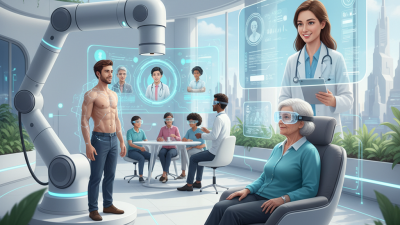
Telemedicine has become essential. Patients can consult healthcare providers remotely, saving time and improving access. Wearable technologies track vital signs and provide real-time data. This empowers patients to manage their health actively.
However, integrating these technologies poses challenges. Data security and patient privacy concerns arise. As we rely more on digital health solutions, understanding how to protect personal information is critical. Healthcare providers must adapt to new tools while ensuring they maintain the trust of their patients.
Tips: Consider using telehealth services for non-emergency consultations. Regularly monitor your wearable device for health trends. Be mindful of sharing personal health data; know your rights regarding privacy. Embrace these changes, but remain cautious about data management. Technology can improve health, but it requires a balanced approach.
The Role of Telehealth in Modern Healthcare Delivery
Telehealth has transformed the way patients access healthcare services. It allows individuals to consult healthcare providers through digital platforms. This approach has grown significantly in recent years, especially during the pandemic. Patients can now receive care from the comfort of their homes. This convenience is appealing to many, particularly those in remote areas.
However, telehealth isn't without its challenges. Many people still struggle with technology. Some patients find it difficult to use online platforms. This can lead to frustration and missed appointments. Additionally, not all medical conditions can be effectively managed through virtual visits. Certain situations still require in-person assessments and tests.
Despite these hurdles, telehealth continues to expand its role in healthcare. It offers flexibility and increased access to care. This is essential in a world where time is precious. As healthcare evolves, it’s crucial to bridge the gap between technology and patient readiness. Maintaining a balance ensures that the benefits of telehealth are fully realized.
Personalized Medicine: Tailoring Treatments to Individual Patients
Personalized medicine is transforming healthcare. It focuses on tailoring treatments to individual patients based on their unique genetic profiles. This approach acknowledges that one-size-fits-all treatments may not be effective for everyone. According to a report from the Personalized Medicine Coalition, nearly 73% of healthcare professionals believe that personalized medicine leads to better patient outcomes.
Recent studies show that treatments based on genetic information can significantly improve response rates. For instance, a study published in the Journal of the American Medical Association highlights a 25% increase in the effectiveness of cancer treatments when personalized approaches were used. This makes a strong case for the integration of genomic data into standard care practices. Still, challenges remain. Access to genetic testing can be limited, and not all healthcare systems have embraced these advancements.
The cost of personalized medicine is another consideration. While some treatments may be more expensive upfront, the potential for fewer side effects can lead to overall savings in healthcare costs. A report by Deloitte estimates that personalized medicine could save the U.S. healthcare system up to $350 billion annually by reducing ineffective treatments. The journey toward broader adoption is ongoing, but the evidence continues to build around the efficacy and benefits of personalized medicine.
The Growing Importance of Mental Health Awareness in Healthcare
Mental health awareness is becoming a cornerstone of modern healthcare. Research indicates that one in five adults experience mental illness annually. This staggering statistic highlights the urgent need for increased awareness and treatment options. Health professionals now recognize that mental health is as crucial as physical health.
Recent studies show that mental health disorders can significantly impact overall health outcomes. According to the World Health Organization, the economic cost of mental health disorders globally could reach $6 trillion by 2030. This financial burden emphasizes the necessity for early intervention and effective treatment strategies. Hospitals and clinics are starting to integrate mental health services into primary care. This trend fosters a holistic approach to patient health.
Despite growing awareness, stigma persists. Many individuals hesitate to seek help due to societal pressures. Mental health initiatives must tackle these perceptions. Training for healthcare providers can enhance their ability to address mental health concerns. Improved training can help create a supportive environment for patients. This shift may lead to better health outcomes and a decrease in healthcare costs long term.
Sustainable Practices in Health Medicine: Trends and Innovations
Sustainable practices in health medicine are rapidly gaining traction. A recent report by the Global Sustainability Institute highlights that 90% of healthcare professionals believe sustainability will be critical for future practices. The focus is shifting towards eco-friendly materials and energy-efficient technologies. For instance, renewable energy sources are becoming integral in many hospital systems, which has led to a noticeable reduction in carbon footprints.
Incorporating sustainability into health practices often leads to better patient outcomes. Research shows that hospitals with sustainable operations report 14% higher patient satisfaction rates. This improvement can be attributed to healthier environments created through better resource management. Innovative waste reduction strategies are also emerging, such as recycling programs that have shown to reduce waste by up to 30%.
**Tip:** Evaluate your local health providers. Support those implementing green initiatives.
Healthcare professionals must continuously assess the impact of sustainable methods. Some practices may lack immediate, quantifiable results, making it challenging to justify the costs. It's essential to emphasize patient education about the benefits of these practices. However, recognizing the long-term advantages could outweigh initial investments.
**Tip:** Advocate for transparency in healthcare sustainability efforts. Educated consumers can drive change.
Top Health Medicine Trends That Buyers Need to Know