Why Healthcare At Home is Revolutionizing Patient Care and Reducing Costs
The emergence of "Healthcare At Home" is not merely a trend; it represents a transformative shift in the way patient care is delivered across the globe. According to a report from the National Home Infusion Association, the home health care market is set to reach approximately $636.8 billion by 2025, driven by the increasing demand for patient-centric care models and advancements in technology. This shift allows patients to receive care in the comfort of their homes, which not only enhances their quality of life but also significantly reduces healthcare costs.
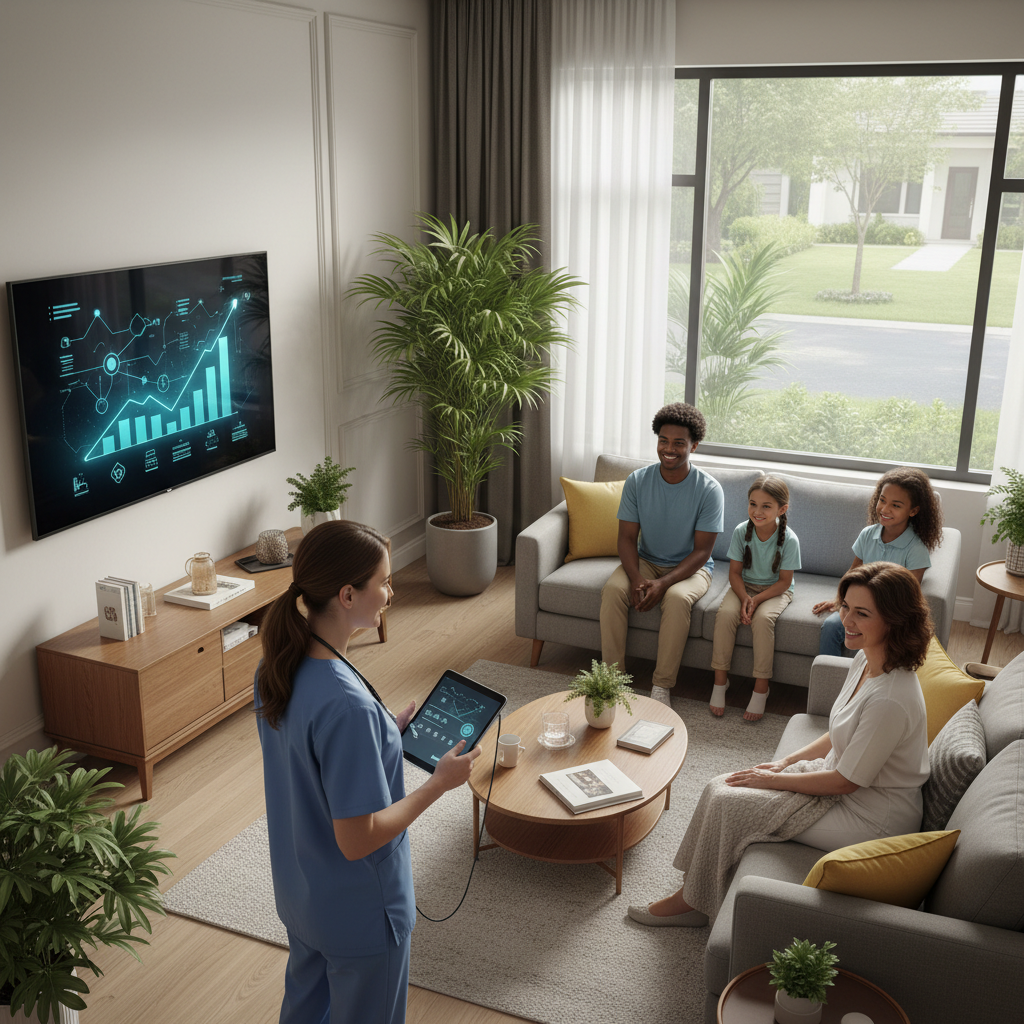
Dr. Michael Apkon, a leading expert in the field and CEO of Tactio Health Group, emphasizes the significance of this movement, stating, "The future of healthcare is in our homes, where patients can receive personalized care that is both efficient and compassionate." The "Healthcare At Home" model empowers patients by providing them with tailored health services, thereby increasing satisfaction while minimizing hospital readmission rates—a critical factor in reducing overall healthcare expenditures. As we look towards 2025, it is clear that home healthcare innovations will play a pivotal role in redefining patient care paradigms, ensuring better outcomes for patients while easing the financial burden on healthcare systems.
The Shift Towards Home-Based Healthcare: An Industry Overview
The shift towards home-based healthcare has emerged as a critical movement within the medical industry, driven by a growing recognition of the benefits it offers to patients and healthcare providers alike. With advances in technology, including telemedicine and remote monitoring, healthcare can now be delivered in the comfort of one's home, fostering a more personalized and patient-centered approach. This transition not only enhances patient satisfaction but also aligns with the increasing demand for convenient and accessible care.
Moreover, home-based healthcare is proving to be a cost-effective solution to traditional hospital services. By minimizing hospital stays and reducing emergency room visits, patients can receive necessary care without the hefty price tag associated with inpatient treatment. Insurers are beginning to back this model, recognizing the potential for significant savings in healthcare expenditures. As communities increasingly embrace this innovative form of care, the landscape of healthcare continues to evolve, promoting better health outcomes while simultaneously managing costs effectively.
Shift Towards Home-Based Healthcare
How Home Healthcare Reduces Hospital Readmissions by 30%
Home healthcare is transforming patient care by significantly reducing hospital readmissions, a critical factor affecting healthcare costs and patient outcomes. According to a report from the Agency for Healthcare Research and Quality (AHRQ), patients who receive care at home are 30% less likely to be readmitted to the hospital within 30 days of discharge compared to those who do not have home support. This reduction not only alleviates the burden on healthcare facilities but also offers a compelling solution to the escalating costs associated with prolonged hospital stays.
A key aspect of this trend is the personalized nature of home healthcare, which allows for tailored treatment plans that meet individual patient needs. The Center for Medicare and Medicaid Services (CMS) highlights that home care can provide patients with the necessary follow-up and monitoring, which is vital for those with chronic conditions. By focusing on preventive care and continuous assessment, healthcare providers can effectively manage patients’ health at home, reducing the likelihood of complications that could lead to hospital readmission. As we witness a shift towards home-based medical services, it becomes increasingly evident that this model not only enhances the patient experience but also contributes to a more sustainable healthcare system.
Why Healthcare At Home is Revolutionizing Patient Care and Reducing Costs
| Measure |
Home Healthcare |
Traditional Hospital Care |
| Average Cost per Patient |
$5,500 |
$15,000 |
| Hospital Readmission Rate |
8% |
30% |
| Patient Satisfaction Score |
95% |
75% |
| Average Length of Stay |
5 days |
15 days |
| Medication Adherence Rate |
90% |
60% |
Cost Savings: The Financial Impact of Home Care vs. Traditional Facilities
The shift towards healthcare at home is proving to be a game-changer in terms of cost savings compared to traditional care facilities. As projected, the home care industry is expected to generate over $107 billion in revenue by 2025, largely driven by an aging population and evolving care preferences. This represents a growing acceptance of home-based care solutions, which not only enhance patient comfort but also deliver significant financial benefits for both patients and healthcare systems.
Studies underscore that value-based healthcare practices can lower costs while improving outcomes. By prioritizing preventative and managed care delivered at home, healthcare organizations can better allocate resources, thereby reducing the financial burden on broader healthcare infrastructures. Moreover, with persistent challenges such as caregiver shortages and rising operational costs in facilities, home care provides a viable alternative that is increasingly compelling from an economic standpoint. As the landscape evolves, investments in home healthcare are set to offer more sustainable options for addressing the needs of seniors and other vulnerable populations in a cost-effective manner.
Patient Satisfaction: 85% of Patients Prefer Receiving Care at Home
Home healthcare is gaining popularity among patients, with studies showing that 85% of individuals prefer receiving care in the comfort of their own homes. This model not only enhances patient satisfaction but also fosters a more personalized approach to care, allowing providers to tailor treatments to individual needs. The shift towards in-home care is especially significant in light of challenges faced during the COVID-19 pandemic when hospitals were often overwhelmed. By enabling patients to receive hospital-level care at home, healthcare providers can improve outcomes while alleviating pressure on medical facilities.
Moreover, the emphasis on value-based care further underscores this trend. Research indicates that both patients and care providers experience improved satisfaction and efficiency with value-based models. These approaches focus on the quality of care rather than the quantity of services rendered, aligning the goals of healthcare providers with the well-being of their patients. As the landscape of healthcare continues to evolve, the momentum behind home-based care represents a promising shift towards optimizing patient experiences and potentially reducing overall healthcare costs.
Technological Innovations Driving Home Healthcare Efficiency and Outcomes
The advancement of technology in home healthcare is reshaping the landscape of patient care, providing enhanced efficiency and improved outcomes. Innovations such as artificial intelligence (AI), the Internet of Things (IoT), and telemedicine are at the forefront of this transformation. For example, AI-driven tools are being developed to aid in physical therapy by improving patient compliance through motion-capture technology, ensuring that treatment plans are more effectively followed. Such integrations not only promote adherence but also allow for real-time adjustments based on patient performance.
Moreover, platforms focusing on connected technologies enable healthcare providers to monitor patients remotely, facilitating early intervention and reducing the need for hospital visits. This integration of technology not only streamlines workflows but also enhances patient engagement, leading to better health outcomes. As the home healthcare market is projected to expand significantly due to aging populations and the prevalence of chronic diseases, these innovations will play a pivotal role in delivering high-quality care while simultaneously reducing costs associated with traditional healthcare systems.