Why Choose Hydrolyzed Proteins for Your Business Needs?
Hydrolyzed Proteins are gaining attention in various industries. These proteins are broken down into smaller peptides, enhancing their digestibility and absorption. Businesses are increasingly recognizing the benefits of incorporating hydrolyzed proteins into their products.
In the food and beverage sector, hydrolyzed proteins offer flavorful options without compromising nutritional value. They enhance taste, which appeals to consumers looking for better food experiences. Moreover, in the sports nutrition market, these proteins provide essential amino acids crucial for muscle recovery. This functionality can differentiate your products from competitors.
Despite their advantages, some may question the sourcing and production processes of hydrolyzed proteins. Transparency is essential. Businesses should ensure their suppliers adhere to high standards to maintain quality and safety. This reflects responsibility towards consumers and builds trust in your brand. Choosing hydrolyzed proteins might present challenges, but the potential rewards can enhance your product offerings significantly.
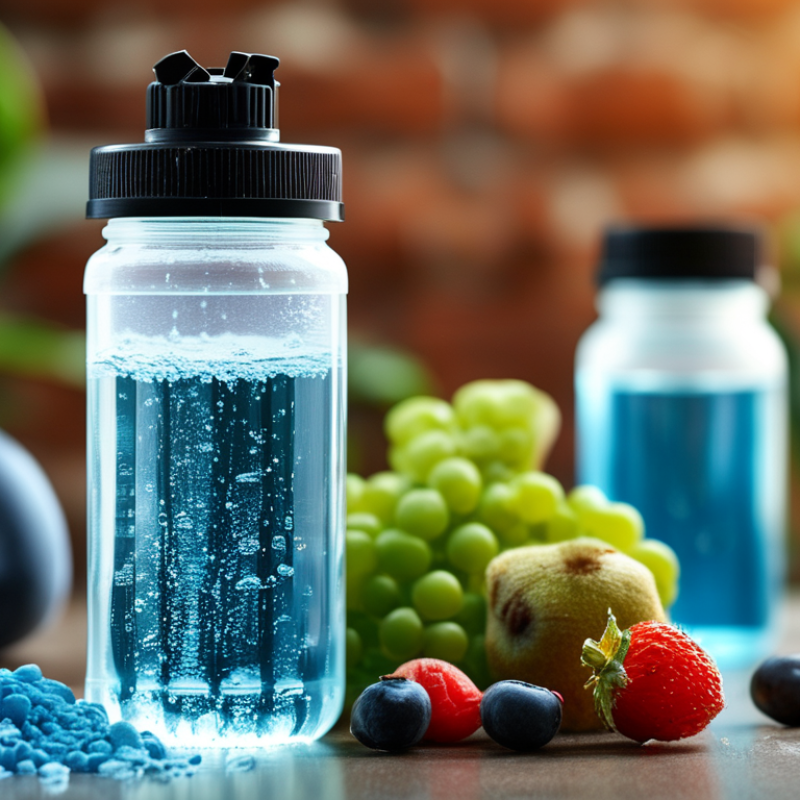
Understanding Hydrolyzed Proteins and Their Benefits
Hydrolyzed proteins are gaining popularity across various industries. These proteins are broken down into smaller peptides, making them easier to digest and absorb. Research shows that hydrolyzed proteins can enhance muscle recovery and support overall health. According to a report from the International Journal of Sports Nutrition, athletes who supplement with hydrolyzed whey protein showed a 20% increase in recovery speed compared to standard protein sources.
In the food industry, hydrolyzed proteins are used for their flavor-enhancing properties. They can improve taste profiles while adding nutritional value. A study by the Institute of Food Technologists highlighted that hydrolyzed proteins help reduce sodium levels in products, addressing health concerns related to excessive salt intake. This can lead to better consumer acceptance of healthier food options.
Additionally, the cosmetic and personal care sectors utilize hydrolyzed proteins for their moisturizing benefits. They support skin elasticity and improve hair strength. However, it is essential to note that not all hydrolyzed proteins are created equal. The source and degree of hydrolysis can influence effectiveness. Businesses should consider these factors seriously when integrating hydrolyzed proteins into their offerings.
The Process of Hydrolyzing Proteins: How It Works
Hydrolyzed proteins are gaining traction in various industries for their unique benefits. The process of hydrolyzing proteins involves breaking them down into smaller peptides or amino acids. This is achieved through hydrolysis, which can be enzymatic or chemical. Enzymatic hydrolysis uses specific enzymes to target and cleave peptide bonds. It yields higher quality proteins with better nutritional value. On the other hand, chemical hydrolysis employs acids or bases to achieve the same result. Each method influences the properties of the final product.
When choosing hydrolyzed proteins, consider the solubility and digestibility. These proteins often dissolve more easily in liquids, making them ideal for supplements and beverages. Enhanced digestibility is crucial for those with sensitive stomachs or specific dietary needs. Be mindful that not all hydrolyzed proteins are created equal. Variability can exist depending on sources and processing methods.
Tips: Always check for quality certifications. Look for third-party testing results to ensure reliability. Balancing protein content with consumer preferences can lead to better product acceptance. Remember, even minor variations in processing can impact the overall performance of the protein. Regularly evaluate your options and stay informed about industry advancements.
Applications of Hydrolyzed Proteins in Various Industries
Hydrolyzed proteins are gaining traction across various industries due to their unique benefits. In the food industry, they enhance flavors and improve the nutritional profile of products. These proteins are easier to digest, making them suitable for dietary supplements and infant formulas. Their ability to provide quick energy is attractive for sports nutrition, where rapid recovery is crucial.
In cosmetics, hydrolyzed proteins serve as effective moisturizers and skin conditioners. They help improve the texture of creams and lotions. Additionally, the hair care industry benefits from these proteins, as they can strengthen and repair damaged hair. However, businesses must ensure the right formulation. Overuse can lead to undesirable results, such as oily skin or hair.
In the animal feed sector, hydrolyzed proteins support muscle development and overall health in livestock. While effective, there’s still debate on sourcing and ethical considerations for animal welfare. Quality control is essential to ensure these proteins are safe and beneficial. Companies must navigate these challenges carefully to maintain their reputation and meet consumer expectations.
Comparative Analysis: Hydrolyzed Proteins vs. Whole Proteins
When considering protein options for your business, the choice between hydrolyzed proteins and whole proteins is crucial. Hydrolyzed proteins offer faster absorption due to their smaller peptides. This feature makes them ideal for sports nutrition and recovery products. Whole proteins, while beneficial, take longer to digest and may not meet immediate protein needs effectively.
Hydrolyzed proteins also reduce the risk of allergic reactions. Their enzymatic breakdown lowers allergenic potential. Meanwhile, whole proteins maintain their structural form, which can trigger sensitivities in some consumers. Hydrolyzed options can cater to a wider audience, making them a smart choice for inclusive product ranges.
Tips: Always evaluate your target market's preferences. Conduct surveys or focus groups to gather insights. Additionally, consider testing both protein types in your formulations. Monitor consumer feedback closely. This can guide future product development and adjustments. Balancing quality with customer needs is essential.
Choosing the Right Hydrolyzed Protein for Your Business Needs
Choosing the right hydrolyzed protein for your business needs is critical. Hydrolyzed proteins are often used for their superior digestibility and bioavailability. According to a 2022 report by the Journal of Food Science, hydrolyzed proteins have a digestibility rate surpassing 90%. This is beneficial for applications in sports nutrition and medical food formulations.
When selecting the right type, consider your target market. For instance, whey protein hydrolysates are popular in the athletic sector. They provide rapid amino acid absorption. Plant-based alternatives, like soy or pea hydrolysates, cater to vegan consumers, making them increasingly relevant. The global plant protein market is predicted to grow annually by 10.2%, indicating strong demand.
The formulation process also matters. The degree of hydrolysis influences taste and functionality. A higher degree leads to a bitter flavor, which may not suit certain products. Balancing these factors requires careful consideration and feedback from industry experts. Always review the latest scientific data to ensure you meet market demands effectively.



