What is an Icu Syringe Pump and How Does it Work?
In the realm of critical care, the role of an Icu Syringe Pump is indispensable. Dr. Emily Johnson, an esteemed expert in intensive care technology, once noted, "The precision of an Icu Syringe Pump can significantly enhance patient safety during critical treatments." This statement highlights the growing reliance on these devices in healthcare settings.
An Icu Syringe Pump is designed for the accurate delivery of medications, fluids, and nutrients. It is particularly vital in an intensive care unit where patients may need continuous monitoring and precise dosages. The accuracy provided by these pumps helps to minimize the risk of dosing errors, ultimately aiming to ensure better patient outcomes.
However, the reliance on technology also raises questions about potential over-dependence. Training staff adequately and understanding pump functionalities are crucial. In moments of high stress, even small mistakes can lead to serious consequences. The balance between human expertise and machine reliability must be continually assessed to ensure optimal patient care.
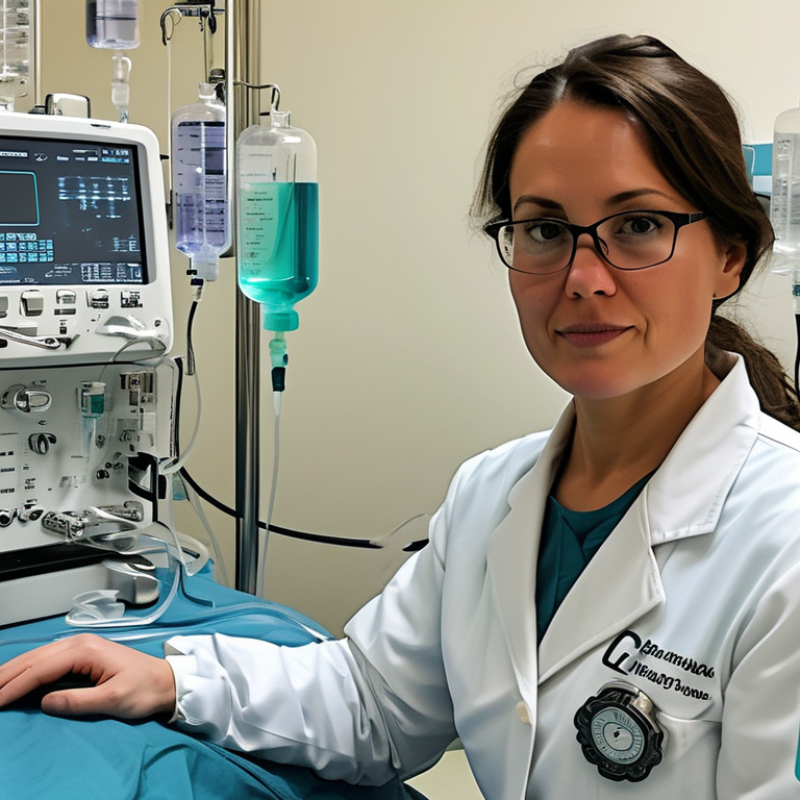
What is an ICU Syringe Pump?
An ICU syringe pump is a medical device used in critical care settings. It delivers precise doses of medication to patients through a syringe. This equipment is vital for managing medications like anesthetics, sedatives, or pain relievers. It ensures that patients receive their required dosages continuously and effectively.
According to a report by MarketsandMarkets, the global market for infusion pumps is projected to grow significantly, reaching $12 billion by 2025. The ICU syringe pump plays an essential role in this growth. Its precision helps minimize the risks of underdosing or overdosing, which can have severe consequences. However, handling and setting up these pumps require trained staff and attention to detail. Miscalculations can occur. Either the medication is insufficient, or overdose occurs, resulting in critical situations.
Tips: Always double-check the dosage settings. Confirm with another healthcare professional when necessary. Regularly maintain and calibrate the pump for optimal functionality. Awareness of potential errors in operation can prevent misadministration. The human factor remains crucial in ensuring patient safety in ICU settings.
Key Components of an ICU Syringe Pump
An ICU syringe pump is essential in critical care settings. It delivers precise drug dosages to patients. The technology behind it includes several key components that work seamlessly together.
One crucial element is the syringe mechanism. This is where the medication is stored. The pump draws the liquid through a calibrated system, ensuring accurate infusion rates. Another important component is the control interface. This allows healthcare providers to set dosages and monitor the flow. A bright screen gives real-time data on the infusion process.
Moreover, alarm systems alert staff to any issues. For instance, if a blockage occurs or if the syringe is empty, the pump will signal the problem. While these systems are designed for accuracy, human errors can occur during setup. Ensuring proper training for staff is vital. Each component must work effectively to ensure patient safety and proper medication delivery.
ICU Syringe Pump Usage Statistics
How ICU Syringe Pumps Operate
ICU syringe pumps are essential in managing critical patient care. These devices precisely deliver medications and fluids at controlled rates. The operation of an ICU syringe pump involves setting the desired flow rate based on a patient's specific needs, which can vary widely. According to a report from the American Society of Anesthesiologists, these pumps increase infusion accuracy by up to 95%, reducing potential medication errors.
The infusion process uses a motor-driven mechanism to push the syringe plunger, ensuring that medications are administered consistently. This is vital in intensive care units where patients might be on multiple infusions simultaneously. With an average of 20% of ICU patients requiring several continuous infusions, the need for reliable pumps is critical for patient safety and effective treatment.
However, risks exist. Alarms can malfunction, or the system may fail to deliver the intended dose. Practitioners must remain vigilant and frequently check infusion data. The potential for human error during setup is also a concern. Continuous training and simulation exercises can help mitigate these risks. Ultimately, while ICU syringe pumps enhance medical care, they are not without their challenges.
What is an Icu Syringe Pump and How Does it Work? - How ICU Syringe Pumps Operate
| Feature | Description |
| Purpose | Administering medications and fluids in a controlled manner to ICU patients. |
| Operating Principle | Utilizes a motor-driven mechanism to control the flow rate of the syringe contents. |
| Flow Rate Range | Typically adjustable from 0.1 to 999 mL/hr. |
| Syringe Size Compatibility | Compatible with various syringe sizes, commonly from 1 mL to 60 mL. |
| Alarm Features | Includes alarms for occlusion, syringe empty, and other malfunctions. |
| User Interface | LCD screen display for real-time monitoring and settings adjustment. |
| Power Supply | Typically powered by AC and has a rechargeable battery for backup. |
| Common Applications | Used in critical care for medication delivery such as antibiotics, pain relief, and IV fluids. |
Applications of ICU Syringe Pumps in Healthcare
ICU syringe pumps play a vital role in modern healthcare. They deliver precise amounts of medication and fluids to critically ill patients. These pumps ensure accuracy, which is crucial in intensive care settings. Their ability to administer continuous or bolus doses makes them indispensable. Nurses rely on these devices for various applications, from pain management to fluid resuscitation.
In healthcare, the applications of ICU syringe pumps are diverse. They are commonly used for infusing anesthesia during surgeries. The pumps ensure that patients receive the correct dosages and minimize the risk of overdose. Additionally, they support the delivery of vital medications, such as inotropes for heart patients. This level of precision can significantly improve patient outcomes.
While ICU syringe pumps are effective, challenges remain. Calibration errors may occur, affecting medication delivery. Staff training is critical for optimal use. Continuous monitoring of pump functionality is also necessary. Without these checks, patient safety could be compromised. The technology itself continues to evolve, highlighting the need for ongoing education in its application.
Benefits and Limitations of Using ICU Syringe Pumps
ICU syringe pumps are vital in critical care settings. They deliver precise doses of medications and fluids to patients. The accuracy and reliability of these pumps can significantly affect patient outcomes. According to a study published in the "Journal of Critical Care," nearly 28% of medication errors in ICUs relate to infusion devices. This highlights the importance of understanding both the benefits and limitations of using syringe pumps.
One primary benefit is the dose precision they offer. ICU syringe pumps are designed to deliver consistent medication dosages. They reduce the risk of human error during manual administration. Moreover, these pumps can manage multiple infusions simultaneously. This allows healthcare professionals to focus on patient care rather than compatibility issues. However, it's important to note that even with technology, pump malfunctions can occur. A 2022 report by the Institute for Safe Medication Practices revealed that 15% of errors were directly tied to device malfunction. Clinicians must remain vigilant, monitoring for discrepancies in the delivery process.
Despite their advantages, ICU syringe pumps are not infallible. The reliance on technology introduces new challenges. Training is crucial for staff to effectively use these devices. Misinformation and user errors can compromise patient safety. Continuous education and regular device calibration can help mitigate these risks. Balancing trust in technology with careful monitoring is essential for optimal patient outcomes.



