What is an Orthodontic Adhesive System and How Does it Work?
The Orthodontic Adhesive System plays a crucial role in modern orthodontics. Dr. Emily Chen, a leading expert in dental adhesives, states, "A reliable adhesive system can significantly enhance the effectiveness of orthodontic treatments." This system is essential for bonding brackets to the teeth, which is a critical step in the alignment process.
Understanding how an Orthodontic Adhesive System functions helps patients appreciate its importance. It involves a combination of resin and bonding agents, designed to secure braces effectively. The adhesive must be strong enough to withstand everyday oral conditions. However, even the best systems can sometimes fail. Factors such as moisture and improper application can compromise effectiveness.
The choice of an Orthodontic Adhesive System is not easy. Different systems come with their own pros and cons. While some are faster to apply, others may offer superior strength. It is vital for practitioners to weigh these aspects carefully. The quest for an ideal solution continues. Experts often reflect on their experiences to improve these systems. Each patient's unique mouth presents challenges that require thoughtful consideration.
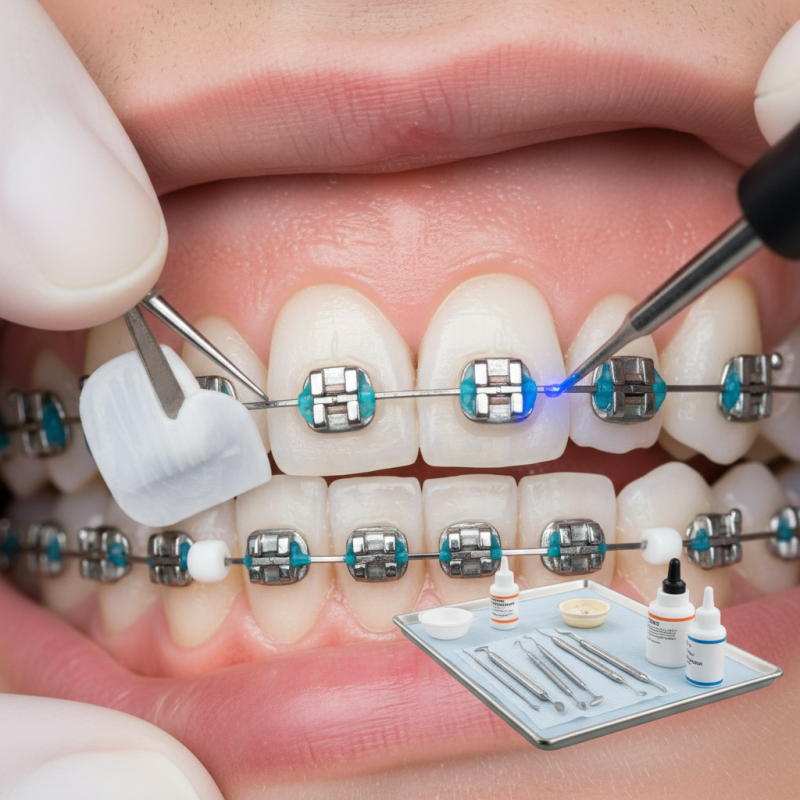
Definition and Purpose of Orthodontic Adhesive Systems
Orthodontic adhesive systems play a crucial role in modern dental practices. These systems bond orthodontic appliances, such as braces, to teeth surfaces. They ensure that brackets stay securely in place during treatment, which is essential for effective tooth movement. A study by the American Journal of Orthodontics suggests that proper adhesive systems can enhance treatment efficiency by up to 30%.
Tips: Always choose an adhesive with a good balance of strength and ease of removal. Some adhesives are tough to clean off, which can affect oral hygiene.
The composition of these adhesives often includes resin, glass, or ceramic materials. This helps in providing a strong bond while minimizing tooth enamel damage. Research indicates that the ideal adhesive should maintain effectiveness under the conditions of daily wear and tear. However, some orthodontists report struggles with removable adhesives that are not ideal for long-term use.
Tips: Regular check-ups can help identify any adhesive failures early on. Monitoring can prevent complications that arise from loose brackets. Optimal bonding is not just about choosing the right adhesive; it also involves the precision of application techniques.
Components of an Orthodontic Adhesive System
An orthodontic adhesive system is crucial for effective orthodontic treatments. This system consists of various components that work together to bond brackets to teeth securely. Understanding these components can enhance the overall treatment process.
The primary component is the adhesive itself, often a resin-based product. This adhesive is designed for durability and flexibility. It must withstand daily wear while allowing some movement of teeth. Next, there are the primers, which help prepare the tooth surface for better adhesion. A well-prepared surface can significantly improve the bond strength, though achieving the ideal surface can sometimes be tricky. Improper cleaning of the tooth or incorrect application of the primer can lead to weak bonds.
The bonding agent is another vital part. It acts as a connector between the bracket and adhesive. Some orthodontists might overlook this, impacting the effectiveness. Additionally, light-curing units are used to set the adhesive. Proper curing ensures the strength of the bond, but sometimes sessions can be rushed. It's important to remember that each component plays a role in the success of the overall treatment. Regular checks are necessary to avoid potential failures in the adhesion over time.
Mechanism of Action: How Orthodontic Adhesives Bond Brackets
Orthodontic adhesives play a crucial role in attaching brackets to teeth during orthodontic treatment. These adhesives are designed to create a strong bond while being easy to remove at the end of treatment. The chemistry behind these adhesives often involves composites or resins that set via light activation or chemical reactions. A study by the American Journal of Orthodontics indicated that well-formulated adhesives can maintain bond strength for up to 12 months, ensuring efficient tooth movement.
The mechanism of action centers on the adhesive's ability to penetrate the microscopic pores of the enamel surface, creating a mechanical interlock. This is vital for establishing a strong bond. The typical bond strength needed to keep brackets attached ranges from 6 to 8 MPa. However, factors such as saliva contamination and improper application can weaken this bond. Inadequate curing and moisture levels can lead to bond failure, which is a concern in many orthodontic practices.
Despite advances in adhesive technology, challenges remain. Orthodontists report that about 5-10% of brackets may debond during treatment. This not only prolongs the overall treatment time but can also frustrate patients. Ongoing research is pushing for new adhesives that improve bond strength and reduce failure rates. Achieving the ideal balance between strong adhesion and ease of removal continues to be a significant focus in orthodontic material science.
Types of Orthodontic Adhesives and Their Applications
Orthodontic adhesives play a crucial role in ensuring the stability and effectiveness of dental braces. There are several types of orthodontic adhesives, each with unique applications. One common type is resin-based adhesives, which bond effectively to both metal and ceramic brackets. According to a 2021 study, around 70% of orthodontists prefer using resin-based adhesives for their reliability and strength.
Glass ionomer adhesives are another option. They release fluoride, which can help prevent tooth decay during treatment. Reports show that up to 30% of orthodontists choose this type in certain cases because of its protective qualities. However, its bond strength is lower compared to resin-based adhesives, which raises questions about durability.
Light-cured adhesives, activated by UV light, offer quick setting times. An interesting data point from industry reports indicates that these adhesives account for about 25% of the orthodontic market. While they are effective, their reliance on equipment can introduce variability in adhesion quality, leading to potential challenges. Balancing effectiveness and adaptability in adhesive choice remains a key discussion in orthodontics today.
Advantages and Limitations of Orthodontic Adhesive Systems
Orthodontic adhesive systems play a crucial role in modern dentistry. They help attach brackets to teeth effectively. These systems offer various advantages. They result in improved bonding strength. Patients often experience more comfortable treatments. However, there are limitations that should not be overlooked.
One common concern is the potential for damage to tooth enamel upon removal. Misapplication of adhesives can lead to unnecessary complications. Dentists need to be careful during the bonding process. They should ensure even distribution of the adhesive to avoid uneven attachments.
Tips: Maintain a clean dental environment. Proper cleaning of both the tooth surface and brackets is essential. This can enhance the adhesive's effectiveness. Keep in mind that not all patients will react the same way to orthodontic adhesives. Individual responses can vary widely, and this requires attention. Always stay alert for signs of allergic reactions or discomfort.
Advantages and Limitations of Orthodontic Adhesive Systems



