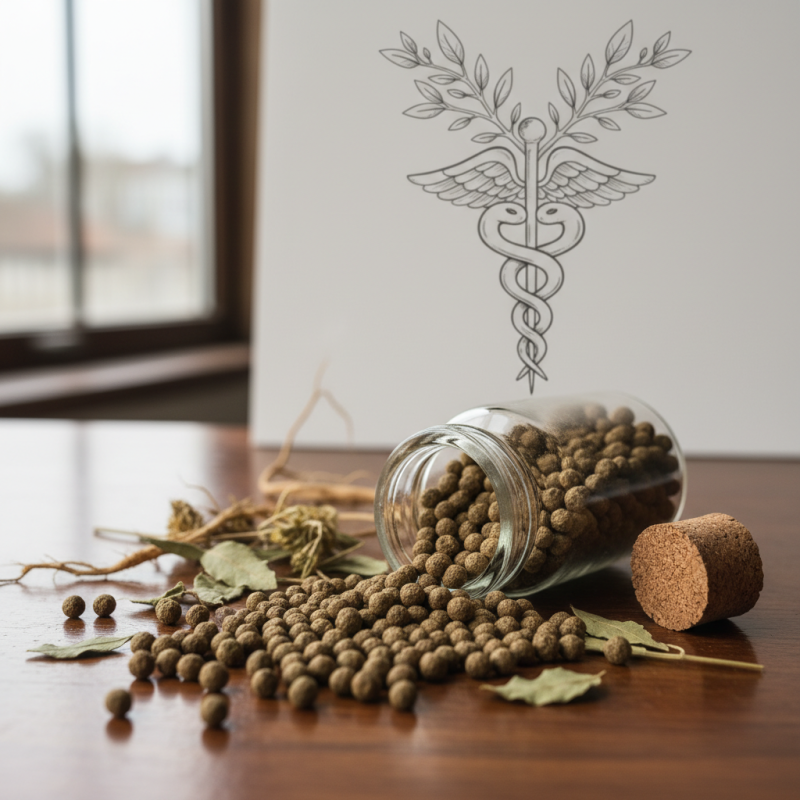
What is Single Herb Granules and How Do They Work?
Single Herb Granules have gained popularity in herbal medicine. These granules provide a convenient way to access the benefits of individual herbs. Many people find it easier to consume herbs in granular form rather than as raw materials or powders.
Single Herb Granules are derived from traditional herbal practices. They are processed to retain the essential properties of the herbs while ensuring ease of use. Each granule contains concentrated herbal extracts, making them potent and effective. Users often report a quick onset of action, which can lead to immediate benefits.
However, the effectiveness of Single Herb Granules can vary by individual. Not everyone responds the same way to a single herb. It's essential to consult with a professional before starting any new regimen. The convenience of these granules should not overshadow the importance of proper guidance and understanding of one's unique health needs.
What Are Single Herb Granules?
Single Herb Granules are concentrated extracts from individual herbs. They play a significant role in traditional herbal medicine. These granules offer a convenient and efficient way to consume the benefits of herbs. According to a market research report, the global herbal supplements market is expected to reach USD 100 billion by 2027. This growth highlights the rising interest in plant-based remedies.
What makes Single Herb Granules appealing? They retain essential active compounds from herbs. For example, studies show that herbal extracts can have therapeutic effects. Some may help with stress relief or immunity support. However, quality control can be challenging. Not all products are standardized or tested rigorously. There's a risk of inconsistency in strength or efficacy.
Despite their convenience, it is crucial to consider possible side effects. Some individuals may experience allergies or interactions with medications. Research suggests that 15% of herbal users may encounter adverse effects. It emphasizes the need for individualized attention and consultation with healthcare professionals. Understanding these details allows for a more informed choice in using these herbal supplements.
The Composition of Single Herb Granules
Single Herb Granules are concentrated herbal extracts, providing a convenient way to incorporate traditional herbal medicine into daily life. They are created by extracting active compounds from a single herb, resulting in a potent formula that holds health benefits. These granules are often preferred due to their ease of use and dosage precision. In fact, recent data indicates that the global herbal extract market is projected to exceed USD 60 billion by 2025, highlighting the growing interest in herbal remedies.
The composition of Single Herb Granules is crucial for their effectiveness. These granules typically consist of 40-80% active ingredients, derived from natural sources. A notable study mentioned that over 70% of users experienced positive effects within two weeks of regular intake. Each granule is designed to deliver essential nutrients, active phytochemicals, and other bioactive compounds. Users can easily mix them with warm water or other beverages for consumption. However, not all granules are created equal. Quality control remains a challenge in the industry, with variations in potency and purity.
Furthermore, the granules often retain specific characteristics of the herb. This could include flavor, aroma, and even the color of the original plant. However, this can also lead to inconsistencies in user experience. Some may find tastes unappealing, which could deter regular use. Ensuring a high-quality product is vital, yet it is a common issue faced by consumers and manufacturers alike. Balancing effectiveness and palatability can be tricky.
How Single Herb Granules Are Made
Single Herb Granules are natural herbal extracts commonly used for wellness. Understanding how they are made is crucial. The production process is often intricate. First, raw herbs are selected based on their therapeutic properties. Quality is essential. Research indicates that 70% of herbal efficacy relies on proper sourcing.
Once the herbs are chosen, they undergo a drying process. This may involve air drying or freeze-drying to preserve the active compounds. A report by the Herbal Pharmacopoeia notes that improper drying can cause a significant loss of bioactive substances. After drying, herbs are ground into a fine powder. This powder is then mixed with water to create a concentrated herbal extract.
Tips for selecting Single Herb Granules: Look for products that clearly state their sourcing and processing methods. Transparency is vital. Ensure they meet quality standards. Always read ingredient labels carefully. Remember, just because a product claims to be natural does not guarantee its safety or effectiveness. It’s essential to do your homework before choosing a herb.
Understanding this manufacturing process helps consumers make informed choices. Quality control is not always visible. Some manufacturers may cut corners. Therefore, a critical eye is necessary when evaluating herbal products.
What is Single Herb Granules and How Do They Work? - How Single Herb Granules Are Made
| Herb Name | Scientific Name | Traditional Uses | Active Compounds | Production Method |
| Ginger | Zingiber officinale | Digestive aid, anti-nausea | Gingerol, Shogaol | Dried and powdered, extracted |
| Ginseng | Panax ginseng | Energy booster, immune support | Ginsenosides | Sliced, steamed, and dried |
| Licorice | Glycyrrhiza glabra | Soothing sore throat, anti-inflammatory | Glycyrrhizin, Flavonoids | Root extraction, concentration |
| Goji Berries | Lycium barbarum | Vision support, antioxidant | Beta-carotene, Zeaxanthin | Dried and powdered, extraction |
| Turmeric | Curcuma longa | Anti-inflammatory, antioxidant | Curcumin | Dried, ground, and extracted |
Mechanisms of Action in the Body
Single Herb Granules offer a unique way to harness the benefits of traditional herbal medicine. These granules are concentrated extracts derived from individual herbs. Their ease of use makes them accessible for modern lifestyles. The process starts with careful selection of high-quality herbs, which are then dried and processed into granular form. This method preserves their active compounds while enhancing bioavailability.
The mechanisms of action in the body are multifaceted. When consumed, these granules dissolve rapidly, allowing for quick absorption into the bloodstream. According to a report by the World Health Organization, about 80% of people globally rely on herbal medicine for primary healthcare. This underscores the importance of understanding how these herbal compounds interact with bodily systems. For instance, certain herbs can modulate immune responses, while others may impact neurotransmitter levels, affecting mood and cognition.
Studies indicate that specific active ingredients play crucial roles. Flavonoids and alkaloids are often highlighted for their therapeutic properties. Research shows that flavonoids can reduce inflammation, while alkaloids may possess analgesic effects. However, the potency of these effects can vary significantly based on individual health conditions. Not every user experiences the same benefits, prompting a need for further research and personalized approaches to herbal use.
Applications and Benefits of Single Herb Granules
Single herb granules are gaining traction in the herbal supplement market. These granules offer a concentrated form of medicinal herbs. They provide a convenient way for users to incorporate traditional herbal remedies into their daily routines. According to a recent report, the global herbal medicine market reached USD 140 billion in 2020 and is projected to grow steadily. Many health-conscious consumers are turning to these granules for their ease of use and efficacy.
The applications of single herb granules are diverse. They can support various health functions, including digestive health, immune support, and stress relief. For instance, studies indicate that herbs like ginseng and ginger can enhance energy levels and improve overall well-being. A significant percentage of users reported positive outcomes when they added these granules to their diets. However, the effectiveness can vary based on individual health conditions and lifestyle factors.
While many experience benefits, some report no noticeable changes. This leads to questions about the quality and sourcing of the herbs used. Not all granules are created equal. The industry lacks standardization, which can affect product efficacy. Users should be mindful of these factors and consider consulting health professionals.
Applications and Benefits of Single Herb Granules