Top 10 Healthcare At Home Products for Global Buyers

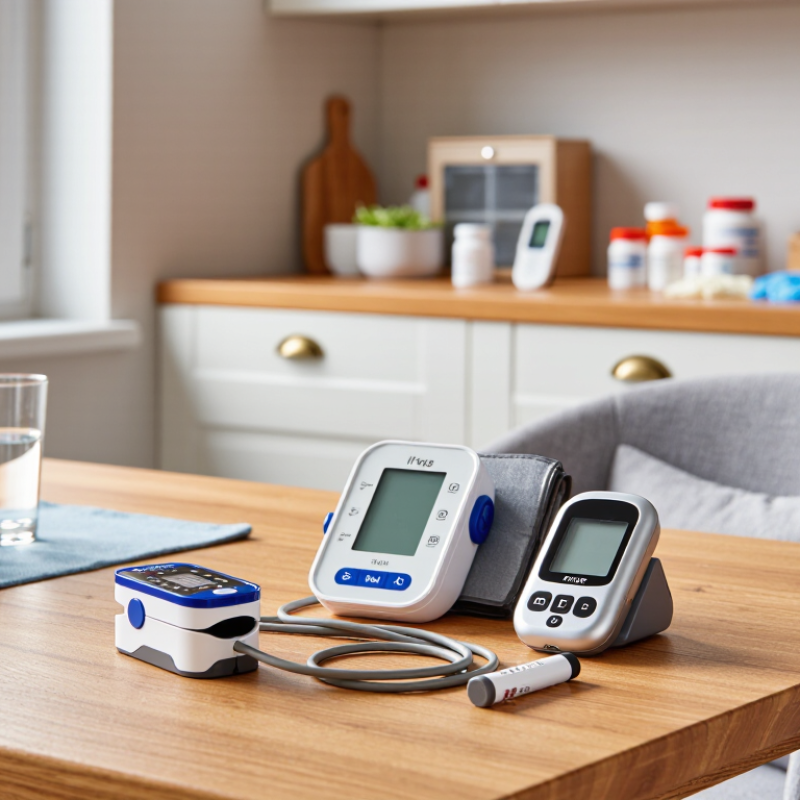
Healthcare At Home is changing how families monitor health, manage recovery, and support older adults. A blood pressure monitor on a kitchen table, a pulse oximeter beside a patient’s bed, or a connected glucose meter can make care more visible. Yet convenience alone does not make a product trustworthy.

Dr. Joseph Kvedar, a Harvard Medical School professor and digital-health authority, has described the home as “the next hospital.” His observation reflects a practical reality: care increasingly happens outside traditional facilities. For global buyers, the best Healthcare At Home products must combine clinical accuracy, simple operation, secure data handling, and dependable after-sales support. They should also fit local power systems, languages, reimbursement structures, and healthcare regulations.

This guide examines ten product categories with those realities in mind. It considers intended users, measurement reliability, device durability, mobile connectivity, cleaning requirements, and training needs. A product may have impressive sensors but confuse an older user. Another may be affordable but lack replacement parts. Small details matter.

Global purchasing is rarely perfect. Packaging can fail in humid climates. Software updates may create unexpected barriers. Some “smart” features can distract from basic safety. Buyers should verify certifications, clinical evidence, warranty terms, privacy policies, and supplier performance before placing large orders. This list is a practical starting point, not a substitute for professional medical advice or local regulatory review. The strongest choices are not always the most advanced. They are the ones people can use correctly, repeatedly, and confidently at home.
Top 10 Healthcare At Home Products for Global Buyers

Defining At-Home Healthcare Products and Global Buyer Needs

Top 10 Healthcare At Home Products for Global Buyers

Defining At-Home Healthcare Products and Global Buyer Needs

At-home healthcare products support monitoring, treatment, mobility, hygiene, and daily recovery. Common choices include digital thermometers, blood pressure monitors, glucose meters, pulse oximeters, nebulizers, mobility aids, wound-care supplies, pill organizers, patient scales, and home diagnostic kits. Each product should solve a clear household problem. It should also provide readable instructions and dependable measurement results.

Global buyers need more than a low purchase price. They compare accuracy, materials, battery life, packaging, language options, and after-sales support. Product documentation should explain intended use, cleaning steps, warnings, and storage conditions. Buyers should also check applicable safety requirements in their destination market. A device may work well in one region but need different power specifications elsewhere. This detail is easy to miss.

Tips: Ask for test reports, user manuals, sample packaging, and warranty terms before ordering. Confirm measurement units and plug types. Check whether replacement parts are available locally. Choose products with accessible controls and clear displays. Small details matter. I have found that online descriptions often sound stronger than real user instructions. A practical review process should test both performance and usability. No checklist is perfect, especially when patient needs vary across homes and cultures.

Top 10 Healthcare At Home Products by Function and Use

Top 10 Healthcare At Home Products for Global Buyers

Top 10 Healthcare At Home Products by Function and Use

Home healthcare products should solve clear daily problems. A digital thermometer supports quick temperature checks, while a blood pressure monitor helps track trends between appointments. A pulse oximeter can show oxygen saturation, but cold fingers may affect readings. A blood glucose meter supports diabetes management when used with proper instruction.

Breathing needs differ. A nebulizer delivers prescribed liquid medicine as a mist, and cleaning routines matter greatly. A digital scale can monitor weight changes, especially for people managing fluid-related conditions. Mobility aids, such as walking frames and transfer supports, improve movement when correctly adjusted. Fit matters. Poor height settings can increase fall risk.

For injury care, a home wound-care kit may include sterile dressings, gloves, skin-safe tape, and disposal supplies. A pill organizer can reduce missed doses, though it cannot replace professional medication guidance. A bedside commode may support users with limited mobility, while a supportive shower chair can reduce slipping hazards. Buyers should check measurement accuracy, readable displays, language options, replacement parts, and local safety requirements. Products with clear instructions and traceable quality records are easier to trust. Still, packaging can look professional while instructions remain confusing. User testing is worth the extra effort. Families should record readings consistently and ask qualified clinicians how to interpret changes, rather than reacting to one unusual result.

Key Features, Safety Standards, and Quality Checks

For global buyers, the top ten home healthcare products include blood pressure monitors, pulse oximeters, digital thermometers, glucose meters, nebulizers, weighing scales, mobility aids, wound-care kits, hearing-support devices, and adjustable home beds. Each product needs clear instructions, readable displays, stable power access, and simple cleaning procedures. Safety should guide selection, not appearance or price.

Check whether the supplier operates under ISO 13485 quality management practices. Electrical products should show relevant IEC 60601 testing, while risk controls should follow ISO 14971 principles. Registration requirements differ by market, so verify local approval before import. Inspect calibration records, test reports, batch numbers, expiry dates, and tamper-evident packaging. For oxygen-related equipment, confirm material compatibility, alarm performance, and ventilation guidance.

Small details matter. A thermometer should respond quickly and maintain accuracy across normal room conditions. A mobility aid must resist slipping on wet floors. A glucose meter needs controlled test-strip storage. Ask for independent laboratory evidence, not only factory declarations. Check warranty terms, replacement parts, software updates, and complaint-handling procedures. Manuals should explain cleaning, storage, warning signs, and user limitations.

No checklist is perfect. I would still test several samples before placing a large order. Human error remains possible, especially with elderly users. A product may pass laboratory tests yet confuse people at home. Buyers should review real-use feedback, train distributors, and record every quality decision.

Comparing Costs, Suppliers, Regulations, and Delivery Options

Top 10 Healthcare At Home Products for Global Buyers

Global buyers commonly source digital thermometers, blood-pressure monitors, pulse oximeters, glucose meters, nebulizers, wound-care kits, walkers, commodes, pressure-relief mattresses, and oxygen concentrators. WHO and UNICEF reported in 2022 that more than 2.5 billion people need assistive products worldwide. Demand may exceed 3.5 billion by 2050. Costs should include the device, accessories, calibration, insurance, customs, and local taxes. A low factory price can mislead. I would compare landed cost, not catalogue cost. Supplier audits should review ISO 13485 systems, batch records, warranty terms, spare parts, and complaint handling. Ask for recent test reports.

Regulatory risk differs sharply by product and destination. Blood-pressure monitors and oxygen concentrators often require safety, performance, and registration evidence. The European Union Medical Device Regulation and United States device rules use different classifications and documentation. Importers should verify conformity documents before payment. Local clinical expectations matter too. They are easy to overlook. Delivery planning should examine temperature exposure, battery restrictions, customs clearance, tracking, and return procedures. The World Bank’s Logistics Performance Index 2023 shows that customs efficiency and shipment tracking strongly influence supply-chain reliability. For urgent devices, maintain regional inventory and test replacement parts locally. One weakness remains: public price data is inconsistent, especially for installation and after-sales service. Independent checks are worth the extra time.

Choosing the Right Products for Different Home Care Situations

Top 10 Healthcare At Home Products for Global Buyers

Choosing the Right Products for Different Home Care Situations

Choosing home-care equipment depends on the person, room layout, and care plan. A quiet bedroom differs greatly from a crowded bathroom. Ten practical options include a digital thermometer, upper-arm blood pressure monitor, pulse oximeter, blood glucose meter, and weekly pill organizer. These tools support regular checks and medication routines. A pulse oximeter may give false reassurance when fingers are cold. Small details matter. Keep readings in a simple log for clinical review.

For mobility and hygiene, consider a shower chair, raised toilet seat, grab bars, walker, and adjustable home-care bed. A shower chair should have firm, non-slip feet. Grab bars need secure wall anchoring, not suction alone. The wrong position can increase fall risk. Measure doorways, bed height, and bathroom clearance before ordering. Occupational therapists or nurses can help match equipment to strength, balance, and transfer ability.

Global buyers should check electrical voltage, measurement units, language settings, weight limits, and local service support. Choose products with clear instructions, traceable quality testing, and replaceable parts. Healthcare professionals should guide blood pressure, glucose, and oxygen monitoring schedules. Do not treat one reading as a diagnosis. Product descriptions can also hide practical weaknesses, such as noisy pumps or difficult buttons. Reconsider the purchase after a trial period, especially when an older adult uses the equipment alone.

Top 10 Healthcare At Home Products for Global Buyers

Choosing the Right Products for Different Home Care Situations

The chart compares indicative 2025 retail price points in USD for essential home-care product categories. Prices are approximate global-market benchmarks, excluding taxes, shipping, installation, and local certification costs. Buyers should match each product to the user's mobility, monitoring, hygiene, and emergency-care needs.