What Are the Top 10 Types of Surgical Dressing Pads?

Surgical Dressing Pads may look simple, but the wrong choice can leave a wound too wet, too dry, or poorly protected. The World Health Organization’s 2016 Global Guidelines for the Prevention of Surgical Site Infection cite an estimated 11.8 surgical-site infections per 100 operations in low- and middle-income countries. This figure describes a broad clinical challenge, not the effect of any single dressing. Still, it shows why careful wound assessment and sound dressing selection matter. No pad fits every wound. That is easy to forget.

Wound-healing researcher George D. Winter’s landmark work is often summarized this way: “Moist wounds heal faster than dry wounds.” It is a useful principle, not a universal instruction; wound depth, drainage, tissue condition, and clinical goals also guide care. This guide compares ten common options, including gauze, nonwoven pads, abdominal pads, island dressings, films, hydrocolloids, alginates, foams, antimicrobial pads, and silicone-contact dressings. Some categories overlap, and product features vary by manufacturer. A label alone cannot settle the choice.

The practical differences become clearer at the bedside: a bulky absorbent pad may suit heavier drainage, while a soft silicone layer may reduce trauma during removal. Yet evidence and patient needs should lead—not habit. The following overview explains typical uses, strengths, and limitations, while recognizing that individual care decisions belong with qualified clinicians. It is a starting point, not a prescription.
What Are the Top 10 Types of Surgical Dressing Pads?

What Surgical Dressing Pads Are and How They Support Wound Care

What Are the Top 10 Types of Surgical Dressing Pads?

Surgical dressing pads are absorbent materials placed over a wound to manage drainage and protect the area from friction and external contamination. Many combine a soft wound-contact layer with a thicker absorbent core and a backing that helps keep clothing dry. They can support wound care, but they do not replace assessment, cleaning, or follow-up by a qualified clinician.

Fit matters. A pad that is too small may leave skin exposed; one that is too bulky can press on tender tissue.

The right pad depends on the wound’s location, depth, drainage, and surrounding skin. A lightly oozing incision may need less absorbency than a wound producing heavier fluid.

The World Health Organization’s 2016 Global Guidelines for the Prevention of Surgical Site Infection report a pooled SSI incidence of 11.8 per 100 surgical patients in low- and middle-income countries. This is a reminder that wound care matters, not evidence that a dressing alone prevents infection.

The CDC’s National and State Healthcare-Associated Infections Progress Report tracks surgical-site infections by procedure, reflecting how risk varies with the operation. In practice, drainage can change between dressing checks, and no pad choice is perfect.

Follow the care team’s instructions, and seek advice if redness spreads, pain worsens, or drainage changes markedly.

How Dressing Pads Differ by Material, Structure, and Absorbency

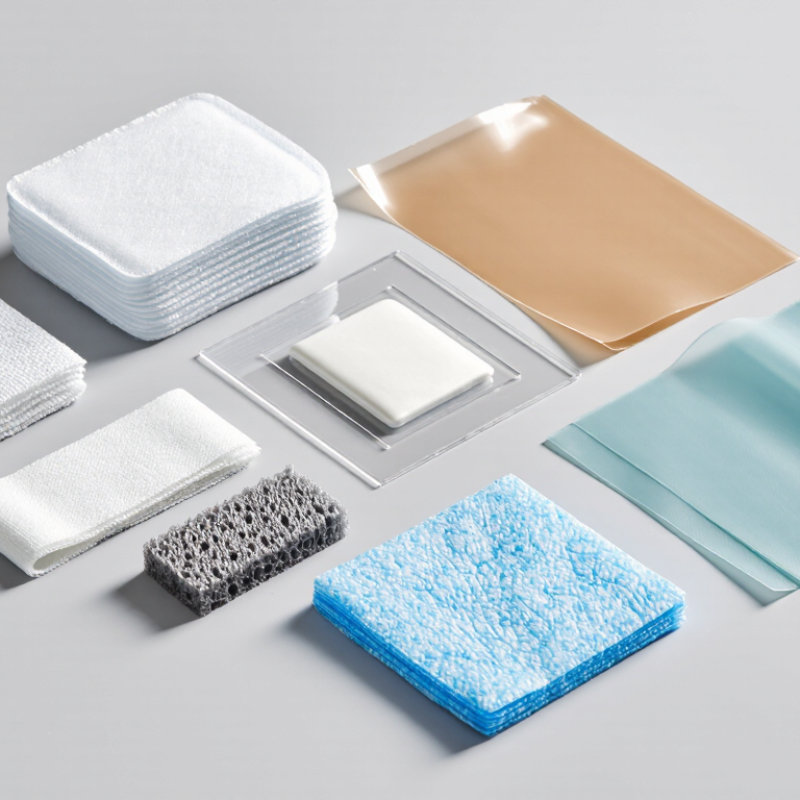
Surgical dressing pads vary by material, structure, and how they handle wound fluid. Woven gauze has a loose, layered weave that allows airflow, but its fibers may cling to a drying wound. Nonwoven pads use bonded fibers and often feel smoother against skin. Cotton pads can provide cushioning, while thicker abdominal pads offer greater capacity for heavier drainage. Combine pads pair a soft contact layer with an absorbent outer layer. Small details matter.

Foam pads have a spongy structure that holds moisture and cushions the wound area. Alginate and hydrofiber dressings absorb fluid and form a soft gel, so they are generally used for wounds with more drainage, under professional guidance. Hydrocolloid pads retain moisture and suit selected wounds with low to moderate drainage. Transparent film dressings offer little absorption but allow visual checks. There are also specialty pads with perforated contact layers, designed to reduce sticking. Categories can overlap, and product performance depends on thickness, wound location, and fluid amount. A pad that looks absorbent may still need frequent changes. Follow the care plan, and ask a clinician if drainage, odor, pain, or redness changes.

What Are the Top 10 Types of Surgical Dressing Pads? — How Dressing Pads Differ by Material, Structure, and Absorbency

Dressing pad type Typical material and structure Relative absorbency Common role and considerations
1. Woven gauze pad Cotton yarn woven into a loose, layered fabric; supplied sterile or non-sterile. Low to moderate; increases when multiple layers are used. Used for wound cleansing, padding, or managing light drainage. Woven fibers can shed or adhere to a drying wound, so removal may require care.
2. Nonwoven gauze pad Bonded or entangled fibers, commonly rayon, polyester, or a blend, formed into soft layers. Moderate; varies with fiber blend and pad thickness. Often used for general wound coverage and cleansing. Its structure generally produces less lint than woven gauze, though performance varies by construction.
3. Abdominal (lap) pad Large, thick cotton gauze pad, usually with multiple layers and a radiopaque element for detection during surgery. High relative to ordinary gauze pads. Designed for surgical use to absorb blood and fluids and protect tissue. It is not interchangeable with a small wound-covering pad; use and counting follow surgical protocols.
4. Combine dressing pad Layered construction, typically with an absorbent cellulose or cotton-fiber core and a soft outer facing. Moderate to high, depending on core size and thickness. Used as an absorbent secondary dressing over a wound or primary dressing. The outer layer helps distribute fluid while the inner core retains it.
5. Foam dressing pad Soft, porous polyurethane foam; may have a film backing or adhesive border. Moderate to high; capacity depends on foam thickness and design. Helps absorb exudate and cushion the wound. It is commonly used for wounds with drainage; some versions are intended to be used with a separate primary contact layer.
6. Calcium alginate pad Fibers derived from brown seaweed, formed into a pad or sheet; gels as they interact with wound fluid. High for moderate-to-heavy exudate. Can help manage fluid and support removal of the dressing from a moist wound. It is generally not suited to dry wounds and may require a secondary dressing.
7. Hydrofiber dressing pad Cellulose-based fibers that absorb fluid and form a cohesive gel at the wound surface. High for moderate-to-heavy exudate. Gel formation helps contain absorbed fluid within the dressing. A secondary cover may be needed, and the dressing is generally unsuitable for dry wounds.
8. Hydrocolloid dressing pad Adhesive layer containing gel-forming particles, usually covered by a film or foam backing. Low to moderate; intended for light-to-moderate exudate. Forms a moist wound environment and is often used for selected shallow wounds. It is not usually chosen for heavily draining or infected wounds unless directed by a clinician.
9. Silicone contact-layer pad Perforated soft mesh coated with gentle silicone; typically paired with an absorbent secondary pad. Low on its own; fluid passes through to the secondary dressing. Designed to reduce adherence to the wound surface and support atraumatic dressing changes. It does not replace a separate absorbent layer when drainage needs managing.
10. Silver-containing dressing pad A dressing matrix such as foam, alginate, or a nonwoven pad incorporating a silver-containing component. Variable; determined mainly by the underlying dressing material and structure. Provides antimicrobial activity as part of wound management. Silver dressings are selected for specific clinical needs and are not a substitute for appropriate wound assessment or infection care.

Note: Absorbency is a relative comparison, not a standardized capacity rating. Actual performance depends on the product’s construction, size, and wound conditions; follow the product instructions and clinical guidance.

The 10 Main Types of Surgical Dressing Pads

Surgical dressing pads differ in material, absorbency, and contact with the wound. Sterile gauze pads suit light drainage and simple coverage, while nonwoven absorbent pads offer a softer option for routine protection. Non-adherent pads help reduce sticking when dressings are changed. Island dressings combine a central absorbent pad with an adhesive border. Abdominal pads are larger and designed to manage heavier fluid output.

Foam pads cushion tender areas and absorb moderate drainage. Hydrocolloid dressings support a moist wound environment and are generally used for selected shallow wounds. Alginate pads absorb more fluid and may help with cavities, when a clinician recommends them. Hydrofiber dressings form a gel as they take up drainage, helping contain fluid at the wound surface. Antimicrobial pads contain agents intended to reduce microbial burden; they are not needed for every wound. The categories overlap.

There is no perfect pad. Selection depends on wound depth, drainage, skin condition, and the care plan. A dry incision may need only light protection, while a wet wound can quickly saturate an unsuitable pad. Check the dressing instructions, keep the surrounding skin clean and dry, and change the pad as directed. If redness spreads, pain worsens, or drainage changes noticeably, seek advice from a qualified healthcare professional.

How to Choose a Dressing Pad for Different Wound Needs

Choosing a surgical dressing pad starts with the wound, not the product label. Assess how much fluid it produces, how deep it is, and whether nearby skin tears easily. The CDC reports that surgical-site infections account for about 20% of healthcare-associated infections. Yet the WHO’s 2016 guideline found no clear reason to use advanced dressings over standard dressings solely to prevent infection in closed surgical wounds. More features do not always mean better care.

For light drainage, a transparent film or hydrocolloid may suit a shallow wound; avoid these if the wound needs frequent inspection. Moderate drainage may call for foam or a composite pad. For heavier fluid, alginate or hydrofiber can absorb more, but they usually need a secondary cover. Gauze is widely available, while a non-adherent layer or soft silicone contact layer can reduce trauma during removal. Collagen dressings have specific clinical uses and are not a default choice. Fit matters. Choose a pad that stays in place without rubbing, and follow the surgeon’s change schedule. If pain, redness, warmth, or drainage worsens, seek clinical advice; dressing choice alone cannot treat infection. A small practical detail is easy to miss: the best pad on paper may still bunch at a knee or catch on clothing.

Top 10 Types of Surgical Dressing Pads: Choosing by Wound Needs

Use the typical exudate range as a starting point: films and non-adherent contact layers suit wounds with little drainage, while foam, alginate, hydrofiber, and ABD dressings are commonly used for greater drainage. These are general categories, not a performance ranking; product construction and wound conditions vary. Choose a dressing with a healthcare professional, especially for deep, infected, or deteriorating wounds.

How to Apply and Replace Surgical Dressing Pads Safely

Surgical dressing pads differ in absorbency, thickness, and contact surface. Gauze pads suit some wounds, while non-adherent pads may reduce sticking. Use the type and change schedule recommended by your clinician; a pad that is too small can let drainage reach the surrounding skin.

Set out clean supplies on a dry surface. Wash your hands well, and use gloves if your care instructions recommend them.

Keep it clean.

Loosen the old pad slowly. If it sticks, do not pull; moisten it with sterile saline or clean water only when your care team says this is appropriate. Check for new redness, swelling, unusual drainage, or worsening pain, without probing the wound.

Place the fresh pad with its wound-facing surface untouched, then secure it snugly, not tightly. Replace it when wet, soiled, loose, or as directed.

Rushing is an easy mistake, even when the steps seem familiar.

Contact a healthcare professional for concerning changes; seek prompt care for fever, spreading redness, heavy bleeding, or rapidly worsening pain.