Top 10 Capsule Machine Manufacturers in China
A Capsule Machine is more than a production unit. It can shape filling accuracy, output consistency, changeover time, and daily maintenance demands. For pharmaceutical manufacturers, these details affect how smoothly a line runs. Small differences matter.
Grand View Research estimated the global pharmaceutical manufacturing equipment market at USD 17.8 billion in 2023 and forecast a 6.4% compound annual growth rate from 2024 to 2030. This broad category includes more than capsule equipment, so it should not be read as a capsule-machine market estimate. Still, it signals sustained investment in production technology. The report offers useful context, not a guarantee of performance.
This guide introduces 10 Capsule Machine manufacturers in China and the factors buyers can compare. These include machine capacity, dosing options, changeover procedures, documentation, spare-parts access, and technical support. A high-speed specification can look impressive on paper. It may matter less if cleaning takes too long or service is difficult to reach. Manufacturer claims should be checked against current technical documents, factory audits, and suitable product trials. Details matter. A shortlist is not a final verdict, either; equipment needs differ by product, batch size, and facility. The comparisons ahead are intended to help readers ask sharper questions, not replace independent qualification.
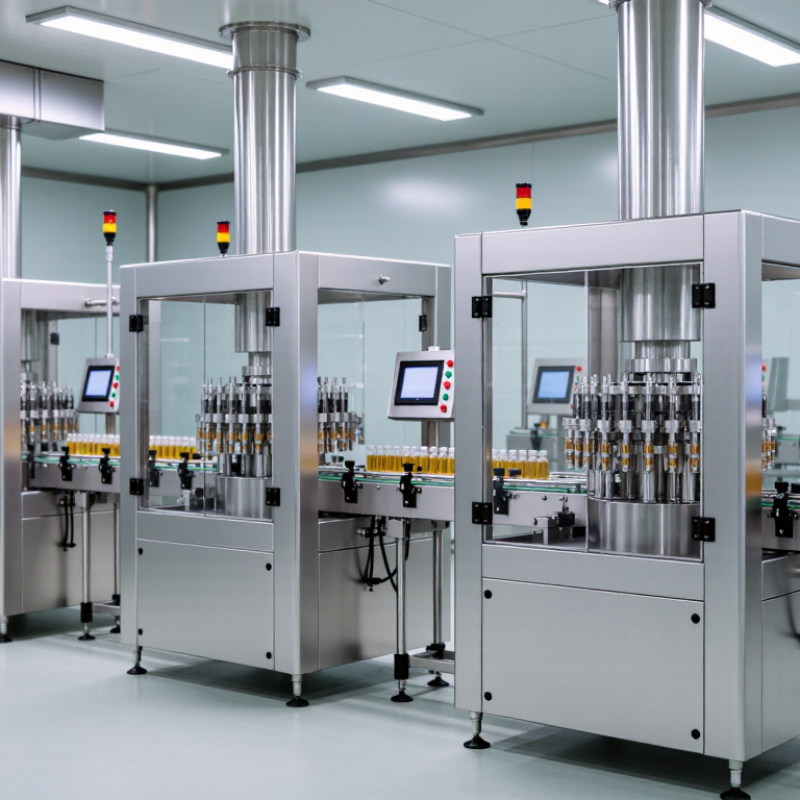
Understanding Capsule Machines and Their Role in Pharmaceutical Production
Top 10 Capsule Machine Manufacturers in China
Understanding Capsule Machines and Their Role in Pharmaceutical Production
Capsule machines fill empty shells with measured powders, granules, or pellets. Their work includes separating shells, dosing material, closing capsules, and rejecting defective units. Small variations matter: inconsistent fill weights can affect product quality and trigger costly batch investigations. IQVIA Institute’s Global Use of Medicines 2024 report projects worldwide medicine spending will approach $2.3 trillion by 2028. That growth increases pressure on manufacturers to make production efficient and consistent, though spending forecasts do not directly measure demand for capsule equipment.
Machine selection depends on product properties, output needs, cleaning routines, and how often production changes. A powder that flows poorly may need different dosing settings from free-flowing granules. Operators also check fill-weight variation, capsule closure, and dust around the dosing station. Important details. Automation can reduce repetitive handling, but it cannot replace validated procedures, maintenance, or trained operators. A clean-looking capsule is not proof of consistent filling; that is easy to overlook.
Tips: Test the actual formulation during equipment trials, not just a similar material. Record fill-weight results across a full run, and inspect capsules after changeovers. Ask how parts are removed and cleaned. If adjustments feel unclear to operators, the machine may slow production despite an impressive rated speed.
How to Evaluate Capsule Machine Manufacturers in China
When evaluating capsule machine manufacturers in China, look beyond catalog photos and quoted output rates. Ask whether the stated capacity was measured with your capsule size and material. A short video of a running machine helps, but it cannot replace a witnessed acceptance test. Request production records showing fill-weight variation, rejection rates, and operating speed under defined conditions. Small details matter.
Inspect how the equipment handles changeovers and cleaning. Ask the manufacturer to demonstrate a size change, then check the tools, instructions, and time required. Look for powder buildup around dosing stations, loose guards, or uneven vibration during a longer run. These observations can reveal more than a polished brochure. Not proof by itself.
Review the factory’s quality procedures, calibration records, component traceability, and inspection reports. Confirm which parts are made in-house and which come from suppliers. Ask for manuals, electrical drawings, spare-parts lists, and a clear warranty scope before placing an order. Speak with comparable customers, if available, and ask how quickly technical support responds. A fast reply matters. Yet response quality matters more. No supplier is flawless; note unresolved questions and agree on measurable acceptance criteria before shipment.
Profiles of Ten Leading Capsule Machine Manufacturers in China
China’s capsule-machine sector includes manufacturers with different strengths. One focuses on compact filling lines for smaller production rooms. Another builds higher-speed equipment for continuous shifts. A third offers modular layouts, making format changes less disruptive. A fourth concentrates on capsule polishing and sorting units. Their differences show up on the factory floor.
A fifth manufacturer emphasizes stainless-steel construction and accessible contact parts. A sixth develops control interfaces with clear alarms and production data. A seventh pairs filling machines with inspection equipment. An eighth is known for configurable tooling, though buyers should confirm changeover time in a live demonstration. A ninth serves customers seeking installation guidance and operator training. The tenth focuses on replacement parts and technical support after delivery. Service matters.
These profiles are starting points, not rankings. A machine’s advertised output may differ from performance with a buyer’s materials and operating conditions. Ask for a test using representative components, and check fill consistency, cleaning access, noise, and changeover steps. Watch the operator work. A polished brochure cannot reveal every awkward reach or slow adjustment. Even this comparison has limits: manufacturers’ specifications change, so verify current details directly and request written acceptance criteria before purchase.
Comparing Manufacturers by Equipment, Technology, and Support
Comparing capsule machine manufacturers means looking beyond advertised output. A useful equipment review checks dosing consistency, changeover time, and access to parts that need cleaning. Ask for test results using materials and capsule sizes close to your own. A polished brochure is not a production trial. Watch a demonstration and note how often operators adjust settings.
Technology should make routine work easier to verify. Examine the control interface, alarm history, sensor coverage, and availability of production data. Clear fault messages can save time during a stopped shift. Ask how software updates are handled and whether technicians can diagnose problems remotely. More automation is not always better; a complex screen can slow down a team that lacks training.
Support deserves the same scrutiny as the machine. Compare installation plans, operator training, spare-part availability, and typical response times. Request sample manuals and a written service scope, rather than relying on verbal promises. Small details matter. A replacement component that takes weeks to arrive can outweigh a modest price advantage. Manufacturers may also differ in how they handle older models, and that question is easy to miss. Buyers should record answers and compare them against actual operating needs, not just a headline capacity figure.
Top 10 Capsule Machine Manufacturers in China: Comparison Framework
A practical framework for comparing equipment, technology, and support.
The percentages are suggested editorial weights for evaluating manufacturers, not measured company results or a ranking. Compare verified specifications, documentation, and service terms when assessing individual suppliers.
Key Considerations When Choosing a Chinese Capsule Machine Supplier
Top 10 Capsule Machine Manufacturers in China
Key Considerations When Choosing a Chinese Capsule Machine Supplier
A machine’s advertised output means little without the test conditions behind it. Ask suppliers to run a factory acceptance test using your capsule size and representative material. Check fill-weight variation, rejection rates, changeover time, and the actual production speed. Small details matter. A clean, repeatable changeover can save more time than a higher quoted speed.
IQVIA Institute’s Global Use of Medicines 2024 report projects global medicine spending will exceed US$2.3 trillion by 2028. This signals continued pressure on production capacity, but it does not guarantee a particular machine will suit your line. Ask for the machine’s operating range, product-contact material specifications, inspection records, and maintenance schedule. Request drawings and a clear list of included tooling. Ask for evidence.
Assess service before signing. Confirm response times, spare-parts availability, remote troubleshooting, and whether technicians can support installation and operator training. Review the supplier’s quality records and traceability for critical components. A video call cannot replace an in-person factory audit, though it can reveal useful details. I would also ask to see a real changeover, not a polished demonstration. That is where small process gaps often show.


