Top 10 Healthcare Solutions Improving Patient Outcomes?

In recent years, the healthcare landscape has undergone significant transformation. Healthcare solutions have emerged as pivotal in enhancing patient outcomes. According to a report by McKinsey, investments in digital health tools can potentially reduce healthcare costs by 15-25%. This statistic highlights the growing importance of technology-driven solutions.

Telemedicine, for instance, has gained considerable traction. A study published by the Journal of Medical Internet Research found that patient satisfaction with telehealth visits is at an impressive 90%. However, not all solutions are without flaws. A survey from the American Medical Association indicated that 35% of patients still prefer in-person visits, pointing to gaps in healthcare solutions that need addressing.

Moreover, data from Deloitte shows that artificial intelligence in healthcare can lead to a 30% improvement in diagnostic accuracy. Yet, concerns about data privacy and accessibility remain. There exists a need for continuous evaluation of these healthcare solutions to ensure they serve all patients effectively and equitably. Balancing innovation with patient trust is crucial for future advancements.

Top 10 Healthcare Solutions Improving Patient Outcomes?

Innovative Technologies Transforming Patient Care in Healthcare Solutions

Innovative technologies are reshaping patient care today. Telehealth platforms have expanded access, allowing patients to consult doctors from home. According to a recent report, telehealth usage surged by over 60% during the pandemic. This flexibility often leads to improved communication between healthcare providers and patients.

Electronic health records (EHR) are another breakthrough. They streamline patient information, making it more accessible. A study showed that EHRs can reduce redundant testing by up to 30%. This efficiency enhances patient safety and promotes better decision-making.

Tip: Embrace telehealth as a complement, not a replacement for in-person visits. It can enhance overall care.

Artificial intelligence (AI) is also transforming diagnostics. AI tools can analyze medical images with remarkable accuracy. Research indicates that AI can detect some conditions earlier than traditional methods. However, reliance on technology raises questions. Is human intuition being compromised?

Tip: Always verify AI recommendations with human expertise. Balance is key to effective care.

Patient engagement technology encourages adherence to treatment plans. Personalized reminders can lead to a 25% increase in medication compliance. Yet, too much reliance on tech can overlook individual patient needs. Monitoring this balance is vital for true patient-centered care.
Telemedicine's Role in Enhancing Access to Healthcare Services

Telemedicine has emerged as a vital tool in modern healthcare. By offering remote consultations, it significantly enhances access to healthcare services, especially in underserved areas. A report from the American Telemedicine Association states that telemedicine can reduce patient wait times by up to 50%. This improvement is crucial for patients with chronic conditions who need timely interventions.

The integration of telemedicine also helps in decreasing healthcare costs. According to a survey by the National Center for Biotechnology Information, patients save an average of $100 for each telehealth visit compared to in-person appointments. Despite these advantages, challenges remain. Not all patients have access to the necessary technology or internet connectivity, creating a digital divide. This can lead to disparities in care quality.

Moreover, patient comfort with virtual appointments is variable. A study published in the Journal of Medical Internet Research found that only 30% of older adults felt comfortable using telehealth services. This highlights the need for further education and resources. While telemedicine is a game changer, it is not a panacea. The healthcare system must continue to adapt and address these challenges to maximize its benefits.

Top 10 Healthcare Solutions Improving Patient Outcomes - Telemedicine's Role in Enhancing Access to Healthcare Services

Solution Description Impact on Patient Outcomes Access Enhancement
Telemedicine Remote consultations via video or phone. Increased patient satisfaction and access to specialists. Allows patients in rural areas to receive care.
Mobile Health Apps Apps for tracking health metrics and medication reminders. Improved medication adherence and self-management. Accessible anytime from a smartphone.
Wearable Health Devices Devices that monitor health parameters like heart rate. Early detection of health issues through real-time data. Continuous monitoring without clinic visits.
Online Health Portals Web access to medical records and test results. Empowered patients who can manage their health better. Convenient access to health information at home.
AI in Diagnostics Artificial intelligence tools for quicker diagnostics. Reduced errors and faster treatment plans. Availability of expert diagnostic tools in small clinics.
Chronic Disease Management Platforms Tailored programs to manage chronic conditions. Improved health outcomes through regular monitoring. Remote management reducing the need for frequent visits.
Virtual Support Groups Online platforms for patients to share experiences. Enhanced emotional support and community engagement. Accessible support regardless of location.
Robotics in Surgery Advanced robotic systems for surgical procedures. Minimally invasive procedures leading to faster recovery. Improvement in surgical precision and outcomes.
Health Information Exchange Sharing of patient information across different systems. Better coordinated care and reduced duplication of tests. Streamlined care transitions between providers.
Remote Patient Monitoring Monitoring patient health remotely using tech tools. Timely intervention in case of deterioration. Enhances care accessibility for those unable to travel.

Data Analytics for Personalized Treatment Plans and Improved Outcomes

Top 10 Healthcare Solutions Improving Patient Outcomes?

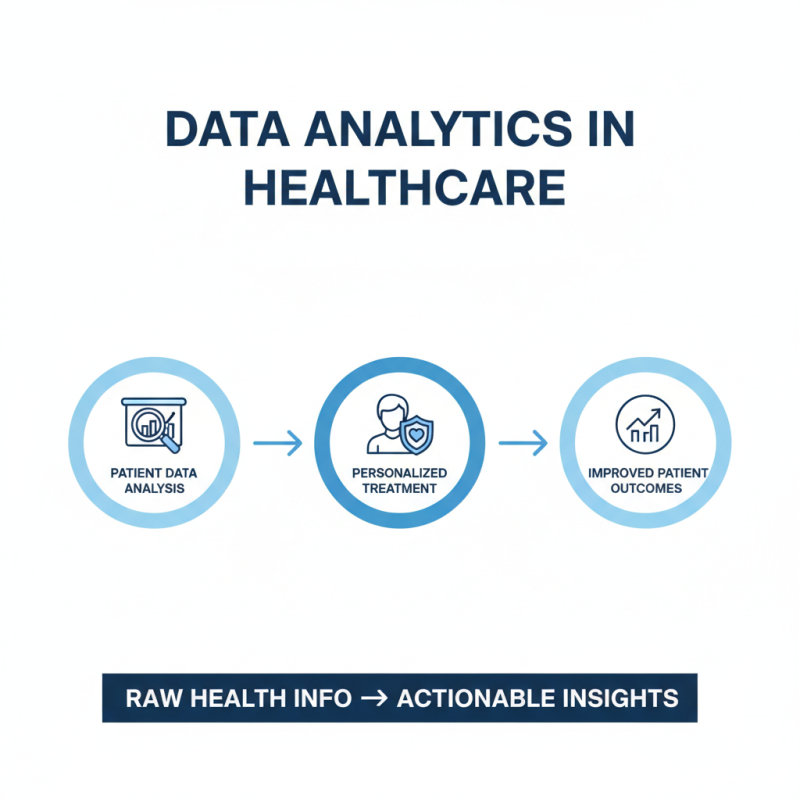
Data analytics is playing a crucial role in modern healthcare. By analyzing patient data, healthcare providers can create personalized treatment plans. This approach considers individual circumstances, leading to better patient outcomes. Data analytics transforms raw health information into actionable insights.

For instance, algorithms can identify trends in a patient's history. This can include everything from genetic predispositions to lifestyle choices. Physicians can then tailor treatments that fit these specifics. In many cases, this leads to more effective interventions and quicker recovery times.

However, challenges remain. Not all data is clean or complete, which can skew results. Some patients may also feel uncomfortable sharing personal information. Healthcare professionals must address these concerns to make the most of data analytics. Balancing privacy with the need for information is essential in this evolving landscape.

Patient Engagement Tools that Foster Active Participation in Health Management

Patient engagement tools are reshaping healthcare. These tools encourage patients to take active roles in their health. Reports suggest that engaged patients have better outcomes. In fact, a study notes that engaged patients adhere to their treatment plans 80% of the time. Active participation leads to clearer communication and better relationships with providers.

Mobile apps, telehealth platforms, and wearable devices are examples of these tools. A report from the Health Research Institute highlights that 64% of patients prefer digital tools for health management. This shift can improve access and convenience for users. However, challenges remain. Some patients struggle with technology. Others may feel overwhelmed by information.

Despite these obstacles, the benefits are clear. Engaging patients can reduce hospital readmission rates by up to 20%. Tools that foster participation not only empower patients but can also lead to cost savings for healthcare systems. Reflecting on the journey, it is crucial to address the digital divide. Ensuring all patients can access these tools is essential for true engagement.

Top 10 Healthcare Solutions Improving Patient Outcomes

This bar chart illustrates the effectiveness of various healthcare solutions in improving patient outcomes, measured by the percentage of patients reporting enhanced health management and engagement.

Integration of Artificial Intelligence in Diagnostics and Treatment Strategies

The integration of artificial intelligence (AI) in healthcare is transforming patient outcomes. AI algorithms can analyze medical data quickly. This accelerates diagnostics, allowing for faster treatment decisions. For instance, AI can interpret imaging tests with remarkable accuracy. It identifies diseases earlier than ever before, but it's not without challenges.

Despite its effectiveness, AI systems require continuous training and maintenance. Errors in data can lead to incorrect diagnoses. The medical community must remain vigilant about biases in AI. These biases can stem from unrepresentative training data. Additionally, healthcare professionals need to trust AI recommendations while retaining critical thinking in their practices.

AI can also personalize treatment strategies significantly. Machine learning models can predict patient responses to medications. This allows for more tailored therapies, improving the likelihood of successful outcomes. However, ethical considerations arise regarding data privacy and patient consent. As AI advances, healthcare providers must address these concerns responsibly. Striking a balance is crucial for harnessing AI’s potential while ensuring patient safety.