Blog
What Are the Top Natural Health Products from China?
China’s Natural Health landscape spans familiar foods and traditional ingredients: green tea, goji berries, American ginseng, reishi mushrooms, and chrysanthemum tea. They appear in teacups, soups, capsules, and wellness shops. But popularity is not proof of benefit. Each product deserves a closer look.
WHO Director-General Dr. Tedros Adhanom Ghebreyesus has said, “Traditional medicine is an important and often underestimated part of health services.” That perspective supports informed attention, not automatic trust. This guide examines which Chinese natural health products are widely used, what research suggests, and where evidence remains limited. A cup of green tea is not the same as a concentrated extract. Product quality, dosage, interactions, and clear labeling matter, too. Details matter.
Readers will find practical distinctions between everyday foods and supplements, along with notes on sourcing and safety. Some products have promising research; others rely mainly on tradition or early studies. That can be disappointing. It is also a reason to stay curious. We will avoid treating “natural” as a synonym for safe or effective, and will flag when evidence is uncertain. The goal is a grounded starting point for comparing popular products—not a substitute for personal medical advice. Even a tidy ranking can oversimplify a complex field.
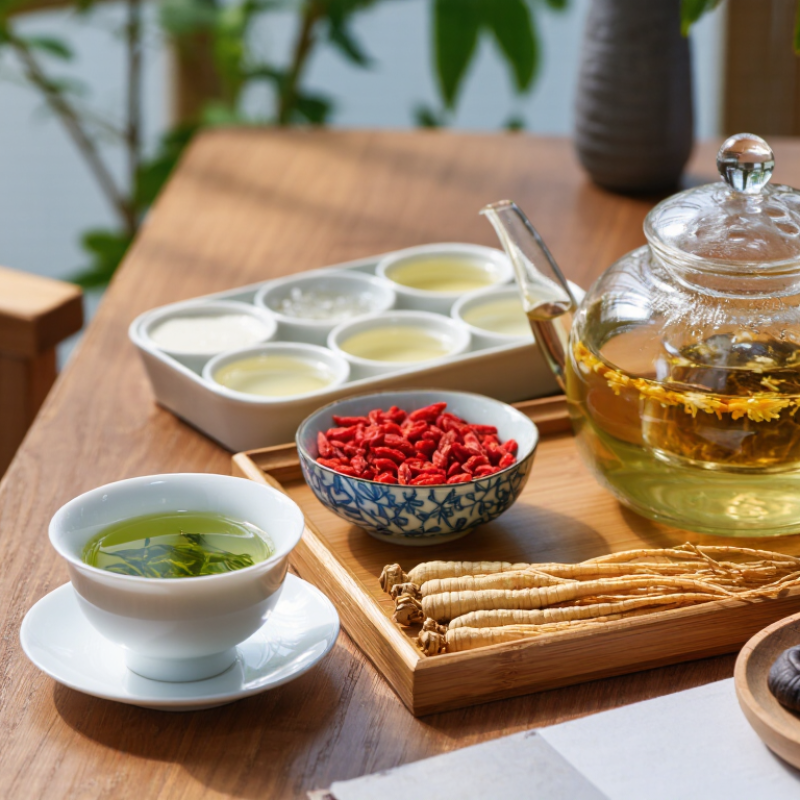
Defining Natural Health Products in China
In China, “natural health product” is a broad everyday phrase, not one precise regulatory category. Products made with herbs, vitamins, minerals, or other food ingredients may be sold as ordinary foods or as health foods, depending on their composition and approved use. Health foods follow specific registration or filing requirements, and permitted claims are limited. “Natural” alone does not prove that a product is safe, effective, or suitable for everyone.
Labels matter. Check the ingredient list, suggested serving, warnings, and the product’s registration or filing information. A jar of capsules containing plant extracts is not automatically a health food; its legal status depends on how it is made and marketed. Products intended to treat or prevent disease belong to a different regulatory path. That distinction can be confusing, even for careful shoppers. I would not infer a benefit from a traditional use or a familiar-looking herb. People who are pregnant, take medicines, or manage chronic conditions should ask a qualified health professional before using concentrated extracts. Real expertise includes knowing what the label cannot tell you.
Major Categories of Chinese Herbal and Natural Products
China’s natural health products span several distinct categories, not just traditional herbal formulas. Dried roots, leaves, flowers, and seeds are sold for brewing or cooking. Herbal teas often combine familiar ingredients such as chrysanthemum, ginger, and jujube. A different shelf may hold concentrated botanical extracts, powdered mushrooms, and plant-based supplements. These formats are not interchangeable. Preparation and strength can vary.
Natural products also include foods such as goji berries and lotus seeds, plus botanical skincare and topical oils. Grand View Research estimated the global herbal medicine market at USD 165.7 billion in 2023, with an 11.3% projected annual growth rate from 2024 to 2030. This is a market estimate, not proof that a product works. The category is broad, and labels can still be confusing.
Tips: Check the botanical name, plant part, serving size, and batch-testing information. Look for testing related to identity, heavy metals, pesticides, and microbes. Ask a qualified health professional about possible interactions, especially when taking medication or managing a health condition. “Natural” does not mean risk-free. A clear label helps, but it cannot answer every question.
Notable Chinese Botanicals and Their Traditional Uses
China’s botanical traditions include many plants used in teas, powders, and carefully prepared extracts. Ginseng is traditionally associated with vitality and stamina. Practitioners may recommend it during periods of fatigue, although modern evidence remains mixed. Its root is often sliced thinly and simmered, producing a slightly bitter, earthy drink.
Goji berries are commonly added to soups, rice dishes, and warm infusions. Traditional practitioners have used them to support general nourishment and visual wellness. Chrysanthemum flower tea is valued for its delicate aroma and cooling character. Ginger, with its sharp warmth, appears in household preparations for digestive comfort and seasonal chills. Astragalus root is another notable botanical, traditionally used in tonics for resilience and recovery. These uses reflect cultural practice, not guaranteed medical outcomes.
Quality matters greatly. Look for clear botanical names, tested ingredients, and responsible processing. Contamination and incorrect identification can occur. Some herbs may also interact with medicines, pregnancy, surgery, or chronic conditions. A qualified healthcare professional should review regular use, especially with concentrated extracts. Traditional knowledge is valuable, but it is not automatically proof. Evidence can be uneven, and confident marketing sometimes moves faster than research. Better questions remain: What is the plant’s identity? What dose was studied? Who should avoid it?
What Are the Top Natural Health Products from China?
This chart presents approximate years of documented use in Chinese materia medica traditions. Ginseng was traditionally associated with vitality and stamina; goji berry with nourishing and vision-related uses; ginger with digestive comfort and warming preparations; schisandra with tonic and respiratory preparations; chrysanthemum with cooling herbal infusions; and green tea with refreshment and traditional cleansing practices. Historical estimates are rounded, and traditional use does not establish modern clinical effectiveness.
How Product Quality, Evidence, and Safety Are Assessed
China offers many natural health products, including herbal teas, dried goji berries, ginseng, and mushroom preparations. Their traditional use can be meaningful, but it does not prove clinical effectiveness. I would examine the exact ingredient, dosage, plant part, and intended use before making any health claim.
Quality assessment begins with traceability. A reliable product should identify its source, batch number, harvest or manufacturing date, and storage conditions. Independent laboratory testing can check heavy metals, pesticide residues, microbes, undeclared medicines, and inaccurate ingredient levels. Certificates help, but they are not automatically reliable. The laboratory’s methods and accreditation also matter.
Safety requires more than a clean label. Herbal ingredients may interact with medicines or become contaminated during drying and storage. Evidence should come from well-designed human studies, not only laboratory experiments or traditional stories. Regulatory requirements also differ between countries, so approval in one market may not answer every safety question elsewhere.
The evidence is uneven.
In practice, I would compare the label with an independent test report and ask whether the dosage matches the research. I would also check warnings for pregnancy, allergies, liver disease, and long-term use. Some labels remain difficult to interpret, and that is a weakness worth acknowledging. Natural products deserve careful evaluation, not automatic trust.
Regulations and Responsible Selection of Chinese Health Products
What Are the Top Natural Health Products from China?
Regulations and Responsible Selection of Chinese Health Products
China offers many plant-based teas, herbal preparations, mushroom products, vitamins, and mineral supplements. Their quality can vary widely. A natural ingredient is not automatically safe, effective, or suitable for everyone. Responsible selection begins with checking the complete ingredient list, dosage, expiry date, storage conditions, and manufacturer details.
Tips: Choose products with traceable batch numbers and clear Chinese or English labeling. Look for independent laboratory testing when available. Confirm whether the product is registered or filed with the relevant authority. Check your country’s import rules before ordering. Ask a pharmacist or qualified healthcare professional about allergies, pregnancy, chronic conditions, and possible medicine interactions.
In my review of health products, vague claims often signal weak accountability. Phrases like “detox” or “instant immunity” deserve careful questioning. A credible product should explain its ingredients and intended use without promising medical results. Some traditional formulas also need professional guidance, especially when several herbs are combined. I would not rely on online reviews alone. They can be useful, but they are not clinical evidence. Even official-looking packaging can be misunderstood after translation. Responsible choices require patience, comparison, and a willingness to pause when information feels incomplete.
What Are the Top Natural Health Products from China? - Regulations and Responsible Selection of Chinese Health Products
| Product Category or Ingredient | Common Forms | Traditional or Common Use | Evidence and Use Status | Important Safety Considerations | Responsible Selection and Regulatory Check |
|---|---|---|---|---|---|
| Green tea Camellia sinensis |
Tea leaves, infusions, powdered tea, and standardized extracts | Daily beverage use and a source of polyphenols, including catechins | Tea as a beverage is widely consumed. Extract supplements may provide substantially more concentrated catechins and caffeine than brewed tea. | Concentrated extracts may cause gastrointestinal effects and, rarely, liver injury. Caffeine can affect sleep, heart rate, or anxiety. | Prefer clearly labeled caffeine and catechin amounts. Avoid high-dose extracts unless advised by a qualified professional. Confirm the product’s food or health-food classification in the destination market. |
| Goji berry Lycium barbarum |
Dried fruit, tea, powders, and dietary supplements | Food and traditional dietary use; provides carotenoids, polysaccharides, and other plant compounds | Nutrient content is established, but evidence for treating or preventing diseases is limited and does not justify therapeutic claims. | May interact with anticoagulants such as warfarin. Allergic reactions are possible. Dried products can contain considerable natural sugar. | Choose products with lot identification, origin information, allergen disclosure, and contaminant testing. People taking anticoagulants should seek medical advice before use. |
| Asian ginseng Panax ginseng |
Dried root, sliced root, teas, powders, and extracts | Traditional use for vitality and fatigue-related complaints | Some studies suggest possible modest effects on fatigue or certain metabolic measures, but results vary and it is not a replacement for medical treatment. | May cause insomnia, headache, digestive symptoms, or blood-glucose changes. Potential interactions exist with diabetes medicines, anticoagulants, and stimulants. | Check the declared botanical identity and ginsenoside content. Pregnant or breastfeeding individuals and people using prescription medicines should consult a healthcare professional. |
| Chrysanthemum flower Chrysanthemum morifolium |
Dried flowers and herbal tea preparations | Traditional beverage use, especially as a mild herbal infusion | Generally used as a food or tea rather than a clinically proven treatment. Human evidence for specific health outcomes remains limited. | May trigger allergic reactions, particularly in people sensitive to plants in the daisy family. Product contamination is possible if quality controls are poor. | Select food-grade material with botanical identification, moisture control, and testing for pesticides, heavy metals, and microbial contamination. |
| Ginger Zingiber officinale |
Fresh or dried root, tea, food ingredients, and standardized supplements | Culinary use and traditional use for digestive discomfort and nausea | Evidence is comparatively supportive for some forms of nausea, but dose, preparation, and individual response matter. | May cause heartburn or stomach irritation. High supplemental doses may be unsuitable for some people with bleeding risks or gallbladder conditions. | Distinguish ordinary food use from concentrated extracts. Review the dose and consult a clinician when taking anticoagulants or before surgery. |
| Turmeric Curcuma longa |
Culinary spice, powders, capsules, and curcuminoid extracts | Food use and traditional use for digestive and inflammatory complaints | Some clinical research examines curcuminoids for joint discomfort, but formulations differ greatly and evidence is not equivalent to proof of disease treatment. | May cause gastrointestinal symptoms. Concentrated or enhanced-absorption products may present additional risks, including liver problems in susceptible individuals. | Avoid products with undisclosed absorption enhancers or proprietary blends. Check warnings for liver disease, gallbladder problems, anticoagulant use, and surgery. |
| Reishi mushroom Ganoderma lucidum |
Dried mushroom, tea, powders, and extracts | Traditional use in East Asian herbal practices and as a functional food ingredient | Research is ongoing. Evidence is insufficient to support claims that it prevents or cures cancer, infections, or other serious diseases. | May cause digestive symptoms, allergic reactions, or bleeding concerns. Rare liver injury has been reported with some preparations. | Look for the tested mushroom species, extraction method, serving size, and contaminant results. Do not use it to replace prescribed treatment. |
| Herbal formulas and decoctions | Dried herbs, granules, capsules, tablets, or liquid preparations | Traditional individualized use based on the practitioner’s assessment | Clinical evidence varies substantially by formula, indication, preparation, and study quality. Traditional use alone does not establish safety or efficacy. | Possible herb–drug interactions, misidentification, adulteration, excessive minerals, pesticides, heavy metals, or microbial contamination. | Use only with qualified professional guidance. Require a complete ingredient list, batch testing, traceability, dosage instructions, and confirmation that the product is legally permitted in the destination country. |
- In China, food products, ordinary food ingredients, traditional Chinese medicinal materials, medicines, and health foods follow different regulatory pathways.
- Health foods are not medicines and should not claim to diagnose, treat, or cure disease. Product claims must follow the applicable registration or filing requirements and approved labeling rules.
- For imported products, compliance in China does not automatically establish legality or safety in another country. Check the regulations of the destination market before purchase or sale.
- Prefer transparent labels showing botanical names, plant parts, serving size, allergens, lot number, expiry date, storage conditions, and independent testing for identity and contaminants.
- Pregnant or breastfeeding individuals, children, older adults, and people with chronic conditions or prescription medicines should seek professional advice before using concentrated herbal supplements.
Related Posts
-
Unlocking the Secrets of Natural Health: Ancient Practices for Modern Wellness
-

Exploring Diverse Healthcare Product Features and Their Ideal Applications in Global Supply Chain
-

What is Health Care and How Does It Impact Your Wellbeing
-

What is Healthcare At Home and How Can It Benefit You?
-

Why Is Health Care Important for Everyone Today?
-

5 Key Factors Shaping Global Demand for Medicine Health Products