Top Sleep Monitoring Technology Trends for Global Buyers?
The landscape of Sleep Monitoring Technology is rapidly evolving. With increased awareness of sleep’s importance for overall health, consumers are seeking innovative solutions. Sleep monitoring technology has become a vital tool for tracking and improving sleep quality.
New advancements include wearables, smart beds, and mobile applications. These tools provide insights into sleep patterns, duration, and disturbances. However, despite their popularity, challenges remain. Accuracy and reliability of data can vary across devices. It's important for buyers to assess the credibility of brands and their products.
As more individuals turn to sleep monitoring technology, staying informed about trends is essential. It can be overwhelming to choose the right solution. Prospective buyers should prioritize their specific needs and lifestyle factors. The right technology can lead to better sleep and enhanced well-being. Yet, consumers should navigate options carefully and critically evaluate claims.
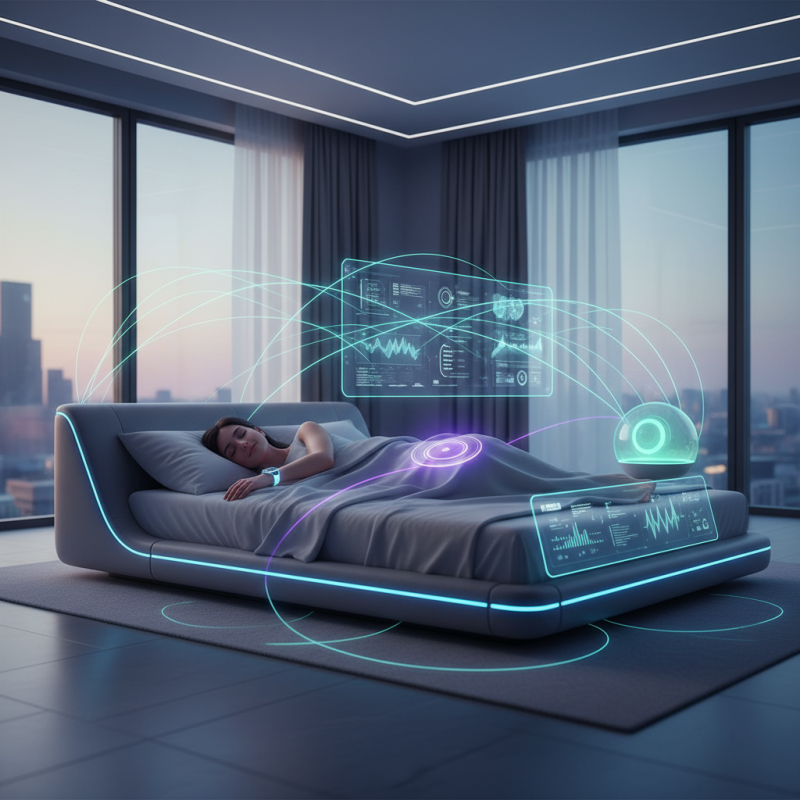
Emerging Technologies in Sleep Monitoring: An Overview
The landscape of sleep monitoring is evolving rapidly. Emerging technologies are changing how we track and understand our sleep patterns. Wearable devices now feature advanced sensors that capture a range of metrics. These include heart rate variability, movement, and even oxygen levels. This data helps users gain insights into their sleep quality.
Another promising trend involves AI-driven analytics. Machine learning algorithms can process vast amounts of sleep data. They identify patterns and offer personalized recommendations for better sleep. For example, algorithms can suggest optimal bedtime routines. These suggestions often lead to improved sleep engagement and enhanced overall health.
However, challenges remain. Users might find it overwhelming to interpret complex data. The risk of misinformation due to misinterpretation exists. Additionally, privacy concerns are paramount. People are wary of sharing sensitive health data. Addressing these issues is crucial to building user trust in sleep monitoring technologies. The journey toward effective sleep monitoring continues, along with the need for constant evaluation and reflection.
Wearable Devices: Revolutionizing Sleep Tracking Accuracy
Wearable devices are transforming the way we monitor sleep. These technologies provide detailed insights into sleep patterns. According to a recent study by the Sleep Research Society, the accuracy of sleep tracking has improved significantly in the last few years. Researchers found that advanced sensors can assess sleep stages with up to 90% accuracy. This level of precision is crucial for consumers aiming to enhance their sleep quality.
Interestingly, while many users have benefitted from these devices, there's still room for improvement. A significant portion of users reports discrepancies between their device data and actual sleep quality. This highlights the need for more robust algorithms and deeper analysis of biometric data. Additionally, many wearable devices fail to consider external factors like stress levels and room conditions, which also affect sleep.
As sleep monitoring technology evolves, wearable devices must continue to adapt. The market is expected to grow significantly, with some forecasts suggesting a 20% annual increase in adoption rates through 2025. However, achieving perfect sleep tracking remains a challenge. The interplay of technology and human biology is complex, and users often find it difficult to interpret the data accurately. More education is needed for consumers to understand their device’s limitations and capabilities.
Smart Home Integration: Enhancing Sleep Environment Control
As the world becomes increasingly connected, smart home technology is revolutionizing the way we manage our sleep environments. Integration of various devices allows homeowners to create a personalized, sleep-friendly atmosphere. Smart thermostats, for instance, can adjust the room temperature to optimal levels. This simple change can significantly improve sleep quality.
Moreover, smart lighting systems play a critical role in enhancing sleep. They can mimic sunset to help you wind down. Gentle dimming signals your body it's time for rest. Some systems even adjust based on your sleep cycle, ensuring you wake up refreshed.
However, reliance on technology poses challenges. Over-reliance on screens may disrupt bedtime routines. It's crucial to find a balance between tech and natural calming methods. Monitoring your environment is essential, but so is fostering a conscious sleep ritual. Reflecting on how these technologies can enhance or hinder our sleep is vital for meaningful rest.
AI and Machine Learning: Personalizing Sleep Recommendations
The integration of AI and machine learning into sleep monitoring technology is revolutionizing how we approach our nighttime rest. Personalized sleep recommendations are emerging based on individual sleep patterns. By analyzing data collected over time, algorithms can identify specific issues that affect sleep quality. This understanding allows users to receive tailored advice, such as optimal bedtime and sleep environment adjustments.
Sleep habits are complex and influenced by numerous factors. AI excels at uncovering these hidden relationships. However, there can be challenges. Not every recommendation suits everyone. Users might feel overwhelmed by excessive suggestions. It’s essential to reflect on which advice truly enhances personal rest. Moreover, the reliance on technology can lead to a disconnect from instincts. Balancing data-driven insights with personal judgment is crucial for meaningful improvements in sleep quality.
As sleep monitoring technology evolves, its potential continues to grow. Combining human intuition with algorithmic precision may yield the best results. Those seeking better rest must navigate this landscape thoughtfully. Questions remain about data privacy and the effectiveness of personalized suggestions. It’s vital to maintain a critical perspective and adapt recommendations in a way that feels authentic and beneficial for individual needs.
Top Sleep Monitoring Technology Trends for Global Buyers
This chart illustrates the adoption rates of various sleep monitoring technologies, highlighting the increasing use of AI and machine learning for personalized sleep recommendations among global buyers.
Global Market Trends: Consumer Demand and Emerging Competitors
The global demand for sleep monitoring technology is on the rise. Consumers are increasingly aware of the importance of quality sleep for overall health. This awareness has led to a surge in interest in innovative tools that track sleep patterns. There’s a wide range of devices available, from wearable gadgets to smart mattresses. Each product offers unique features that appeal to different users.
Emerging competitors are continuously entering the market with advanced solutions. These new players focus on integrating AI and machine learning to personalize sleep experiences. Some products can analyze sleep stages and provide tailored advice. Yet, not all technologies deliver on their promises. Users often find that data accuracy varies. It's essential for consumers to question the reliability of the information these devices provide.
The market also shows a trend towards holistic health. Many consumers seek solutions that combine sleep tracking with wellness features. This shift indicates a growing need for technology that supports mental and physical well-being. However, as products evolve, potential buyers should remain critical. They need to evaluate how these technologies fit into their routines and whether they truly enhance their sleep quality.
Top Sleep Monitoring Technology Trends for Global Buyers
| Trend | Description | Market Growth (2023) | Consumer Demand (%) |
| Wearable Sleep Trackers | Devices that monitor sleep patterns and provide personalized insights. | 15% growth | 65% |
| Smart Pillows | Pillows equipped with sensors to track sleep quality and adjust comfort levels. | 20% growth | 40% |
| Sleep Apps | Mobile applications designed to help users track sleep and improve habits. | 30% growth | 70% |
| Integrated Sleep Systems | Platforms that combine multiple devices and apps for comprehensive sleep monitoring. | 25% growth | 50% |
| AI-driven Insights | Use of AI algorithms to analyze sleep data and give actionable recommendations. | 35% growth | 55% |



