Top 10 Surgical Instruments You Need for Every Procedure?
In the world of surgery, having the right tools is essential. Each procedure demands specific Surgical Instruments to ensure success. For surgeons, these instruments are not just tools; they are extensions of their hands. Selecting the right surgical instrument can make a difference in patient outcomes.
Every surgical instrument serves a unique purpose. From scalpels to forceps, each tool has distinct features and designs. Surgeons must know how to use them effectively. However, even with the best instruments, mistakes can happen. Training and experience play vital roles in overcoming challenges.
Surgeons often face pressure in the operating room. Time is of the essence, and decisions must be made swiftly. Sometimes, the most reliable instruments are not available. This can lead to improvisation. Reflecting on these experiences helps improve future practices. Every surgical instrument tells a story, shaping each surgeon's skills and journey.
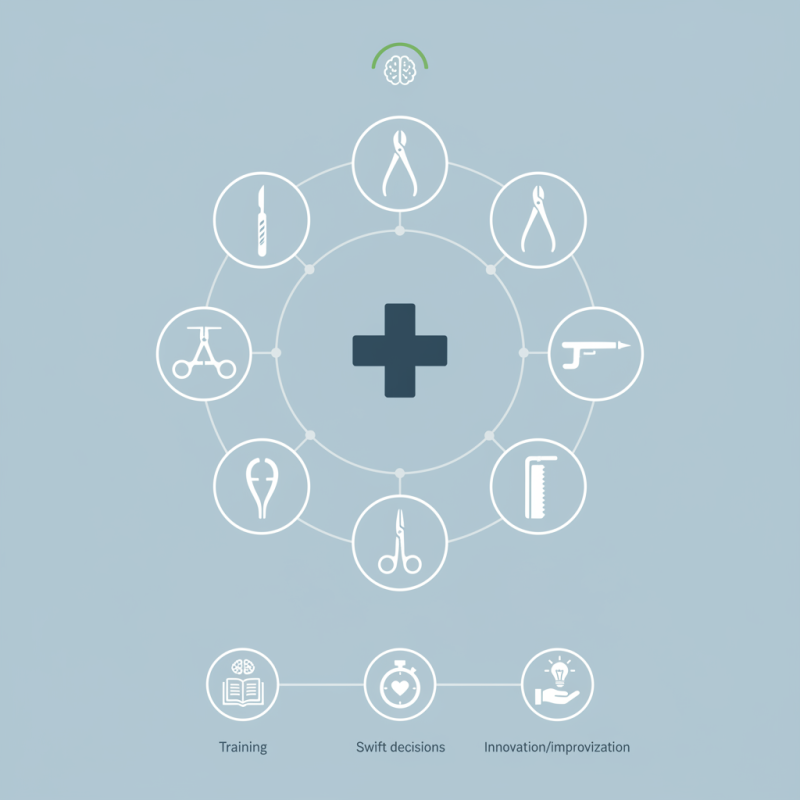
Essential Surgical Instruments for Every Medical Procedure
When it comes to essential surgical instruments, the right tools can significantly impact patient outcomes. A recent report from the National Institute of Health indicated that proper instrument selection can reduce surgery time by up to 20%. Surgeons rely on precise instruments to perform delicate procedures. Each instrument plays a crucial role in the surgical process.
Commonly used instruments include scalpels, scissors, forceps, and clamps. Scalpels offer precision when making incisions. Scissors come in various shapes for different tissues. They can help surgeons achieve the desired results without excessive trauma. Forceps grasp and manipulate tissues, while clamps control bleeding during operations. Each one has specific purposes, highlighting the need for a well-equipped surgical team.
However, there are challenges within surgical procedures. Not all instruments are sterilized adequately. A recent survey showed that 15% of surgical teams reported concerns about instrument cleanliness. Moreover, some instruments can wear out quickly, affecting their efficacy. Regular inspection and maintenance are essential to avoid complications. Investing in quality surgical instruments is necessary for better surgical success rates.
Understanding the Functionality of Basic Surgical Tools
Surgical instruments play a crucial role in medical procedures. Each tool is designed for specific tasks, making understanding their functionality essential. For instance, the scalpel is used for incisions, but not every scalpel is equally sharp. A study indicated that 30% of surgical complications arise from improper tool selection or maintenance. This highlights a significant area for improvement in surgeries.
Needle holders ensure precise suture placements, yet they require skilled hands to use effectively. A survey cited that 25% of surgical trainees reported difficulties with instrument manipulation, which could lead to longer procedure times. Proper training is vital to enhance the efficiency of using these basic tools.
Additionally, forceps are indispensable for gripping tissues. However, not all forceps provide the same grip, leading to potential errors in delicate surgeries. The range of available forceps can be overwhelming. Thus, understanding their specific uses can prevent delays and complications. Forcing a tool into the wrong situation can compromise patient safety. A deeper comprehension of each instrument fosters better results in surgical outcomes.
Key Surgical Instruments for General Surgery
In general surgery, having the right instruments is essential. Each procedure requires specific tools to ensure precision and safety. Surgical scissors are vital for cutting tissues and sutures. They come in various shapes, catering to different needs. Hemostats clamp blood vessels effectively, preventing excessive blood loss during operations.
One commonly overlooked tool is the scalpel. It is essential for making incisions. A sharp scalpel offers better control. Surgical forceps are equally important. They grasp, hold, and manipulate tissues. The lightweight design helps surgeons handle them easily.
When selecting instruments, consider their sterility and durability. Always check for signs of wear and tear, as faulty instruments can lead to complications.
Cleaning and maintenance are crucial for longevity. Remember, no tool should be taken for granted. Regularly assess your instruments and replace any that show signs of damage.
Specialized Instruments for Minimally Invasive Procedures
Minimally invasive procedures have transformed surgical practice. Specialized instruments are essential for these techniques. They allow surgeons to perform complex operations with smaller incisions. This leads to less pain and quicker recovery for patients. However, not all instruments work well for every procedure. Choosing the right tools is crucial.
For instance, endoscopes capture images from inside the body. They are vital for minimally invasive surgeries. However, poor image quality can complicate operations. Surgeons must ensure proper maintenance of these tools. Another key instrument is the laparoscope. This long, thin device enables access to the abdominal cavity. It's effective, yet it requires precision. A slight miscalculation can lead to adverse outcomes.
Surgical instruments also include graspers and scissors. These tools allow for delicate tissue handling. However, they can become dull quickly, affecting performance. Regular checks are necessary to maintain sharpness and functionality. The choice of instruments can truly determine the success of a procedure. Surgeons often need to adapt and reflect on their choices. Each procedure offers unique challenges that demand careful consideration of the tools at hand.
Maintaining and Sterilizing Surgical Instruments Properly
Maintaining and sterilizing surgical instruments is crucial for patient safety. Proper techniques reduce infection risks significantly. According to the World Health Organization, inadequate sterilization contributes to 15% of all surgical infections. This statistic underlines the importance of strict protocols.
Instruments should be cleaned immediately after use. Blood and tissue residues can harden and complicate the sterilization process. A study from the Journal of Hospital Infection stated that 30% of surgical instruments failed to meet standard sterilization due to improper cleaning. Regular training for staff can address this issue.
Sterilization methods vary. Autoclaving is common, using steam to eliminate pathogens. However, not all materials can handle high temperatures. It's essential to choose the right method for each instrument. A survey found that nearly 25% of healthcare facilities do not have consistent sterilization protocols. Those gaps indicate a need for continuous improvement and monitoring. Regular audits can help in maintaining high standards.
Top 10 Surgical Instruments You Need for Every Procedure
| Instrument Name | Purpose | Material | Maintenance |
| Scalpel | Incisions and cutting tissue | Stainless steel | Sterilize after each use |
| Scissors | Cutting tissue | Surgical steel | Keep dry; clean thoroughly |
| Forceps | Grasping or holding tissues | Stainless steel | Autoclave after use |
| Needle Holder | Holding needles during suturing | High carbon steel | Sterilize and check for damage |
| Hemostats | Controlling bleeding | Stainless steel | Clean and inspect regularly |
| Scissors | Cutting bandages and sutures | Stainless steel | Check alignment and sharpness |
| Electrocautery | Cutting and coagulating tissues | Insulated metal | Ensure proper function and clean |
| Suction Device | Removing fluids from the surgical site | Plastic and metal components | Rinse and disinfect after each use |
| Bowl and Basin | Collecting fluids and tissues | Stainless steel | Autoclave or soak in disinfectant |
| Tape and Dressing | Securing dressings and bandages | Fabric or adhesive | Store in a clean, dry place |



