What Type of Lead Glasses Should You Buy?
Choosing Lead Glasses is not as simple as buying the darkest pair. The right choice depends on your work, exposure conditions, prescription, and comfort during long shifts. A frame that feels fine for five minutes may press against your nose after an hour. Small details matter.
Radiation-dosimetry expert Dr. Michael A. Stabin is a relevant authority on radiation protection. However, I cannot verify a direct quotation from him about choosing lead glasses, so I will not invent one. The practical rule for this guide is: “Match the protection to the exposure, and check the fit before you commit.” That is an editorial summary, not his quotation. It is less catchy than a slogan, perhaps, but more useful.
This guide will compare lens protection, frame coverage, weight, prescription options, and product documentation. Look for clear specifications, including lead equivalence and the conditions under which it was measured. Ask whether the glasses suit your actual work area, not just a product photo. A side shield may help with coverage, while a heavier frame can become tiring. There is no perfect pair for everyone. Even careful buyers can overlook comfort until the first long shift. The aim is a well-informed choice, not a promise of complete protection.
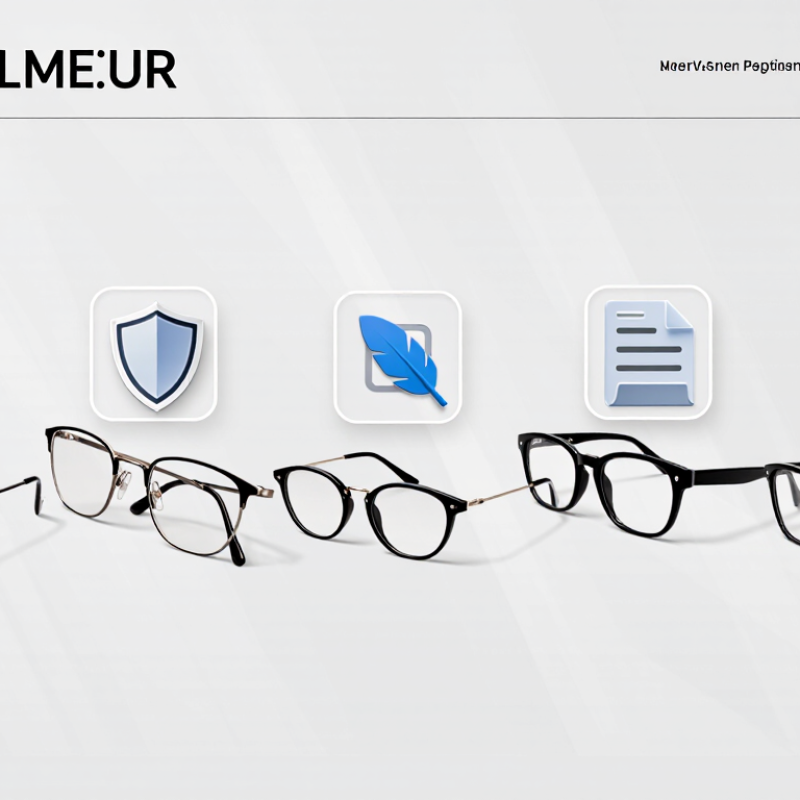
Understanding Lead Glasses and Their Protective Purpose
What Type of Lead Glasses Should You Buy?
Understanding Lead Glasses and Their Protective Purpose
Lead glasses are designed to reduce eye exposure to scattered X-rays in settings where imaging equipment is used. They do not block all radiation, and they are not a substitute for distance, shielding, or safe work practices. Their protective value depends on lens material, thickness, and the X-ray energy involved. Check the stated lead-equivalent rating and whether it suits the procedures performed in your workplace. A qualified radiation safety professional can help assess that fit.
Fit matters. Glasses should sit comfortably and cover the eyes without slipping when you look down. Side coverage may be useful because scattered radiation can arrive from different directions. It is tempting to judge protection by lens darkness or frame weight, but neither reliably shows how much radiation the lenses reduce. A product label can feel reassuring; still, confirm its specifications and follow your facility’s guidance. Even careful choices need regular review, especially if lenses become scratched or frames loosen.
Tips: Try the glasses with your usual face covering and prescription eyewear. Check for gaps around the eyes, clear vision, and a stable fit. Ask how to inspect and store them.
What Type of Lead Glasses Should You Buy?
Estimated primary X-ray transmission through lead-equivalent shielding at 100 keV
Thicker lead-equivalent shielding generally reduces X-ray transmission. These figures are approximate narrow-beam estimates for 100 keV photons, calculated using lead’s attenuation at that energy; real-world protection varies with the X-ray spectrum, eyewear design, fit, and exposure conditions. Choose eyewear with a lead-equivalence rating appropriate to your work and follow your radiation-safety professional’s guidance.
Identifying the Radiation Protection You Need
What Type of Lead Glasses Should You Buy?
Identifying the Radiation Protection You Need
Choosing lead glasses starts with your actual exposure, not the darkest-looking lenses. In imaging rooms, eyewear is generally intended to reduce exposure from scattered radiation. It does not make looking into a primary beam safe. Ask your radiation safety officer or occupational health professional what protection is appropriate for your tasks and equipment.
Check the stated lead equivalence and the conditions used to measure it; attenuation varies with X-ray energy. A number alone can be misleading. Side shields may matter when scatter reaches you from an angle, while larger lenses can offer more coverage. Try the glasses with your usual mask or prescription eyewear. Notice whether they slip, press behind your ears, or fog during normal work. Small annoyances can mean you wear them less consistently.
Fit matters. So does comfort. Do not judge protection by weight or tint, and review the product’s test documentation rather than relying on appearance. Ask how to inspect and care for the lenses; visible damage or poor fit deserves attention. I would not assume one pair suits every room or role. Compare your routine, measured exposure, and workplace guidance before choosing.
Comparing Lens Materials, Styles, and Fit
Leaded glass usually offers clear optics and resists scratching, but it can feel heavy during long procedures. Lead-equivalent polymer lenses are often lighter, though their surfaces may scratch more easily. Compare products using documented lead equivalence at the relevant X-ray energy, not material names alone. The numbers matter.
Frame style affects protection as much as lens choice. Wraparound designs and side shields can reduce gaps around the temples, while larger lenses may cover more of the brow and cheek area. Try the glasses with your usual mask and prescription eyewear. Check for nose-bridge pressure, slipping, and side gaps when you look down or turn your head. A snug fit should not pinch. I would not choose by weight alone; comfort can hide a coverage gap.
The International Commission on Radiological Protection’s ICRP Publication 118 gives a threshold of about 0.5 Gy for radiation-related lens effects. Its occupational lens-dose limit is 20 mSv per year averaged over five years, with no single year above 50 mSv. These figures describe dose guidance, not a guarantee that any glasses provide enough protection. Ask your radiation safety professional to assess the eyewear’s specifications and fit for your work area. An awkward frame can still be the wrong frame.
Checking Lead Equivalence and Product Certification
What Type of Lead Glasses Should You Buy?
Checking Lead Equivalence and Product Certification
Do not choose lead glasses by frame style or the largest equivalence number alone. Check the stated lead equivalence and the X-ray beam quality used to test it; values are meaningful only when their test conditions are clear. IEC 61331-1:2014 describes methods for measuring attenuation, while IEC 61331-3:2014 addresses protective eyewear. Ask for a test report that names the standard, beam quality, and measured result. A printed label helps, but it is not the whole story.
The International Commission on Radiological Protection’s Publication 139 (2018) notes that protective eyewear can reduce eye-lens dose by about fivefold. Actual protection varies with fit, side coverage, and scatter direction. Gaps above the cheek or at the temples can matter. Try the glasses with your usual mask and head position, and check that they stay in place when you look down. A higher equivalence value may add weight without solving poor coverage.
Tips: Compare test reports under the same beam conditions. Check for a current certificate or independent test documentation, and confirm the claimed equivalence applies to the lenses and side shields. Ask how the value was verified. Small details matter; they are easy to overlook.
Choosing, Using, and Caring for Your Lead Glasses
Choosing lead glasses starts with the work you do. Check the stated lead equivalence and confirm it suits your typical procedures with a radiation safety professional. A label alone is not enough. The frame should sit securely, cover the eye area, and feel comfortable with any prescription eyewear you use. Side coverage matters when scattered radiation can reach you from different angles. Glasses add protection, but they do not replace shielding, distance, or safe work practices. Fit is easy to underestimate; an uncomfortable pair may be worn inconsistently.
Use the glasses only as directed for the procedure, and avoid adjusting them with contaminated gloves. After use, clean the lenses and frame according to the manufacturer’s care instructions. A soft cloth and approved cleaner help prevent scratches. Avoid harsh chemicals unless the care guidance specifically permits them. Store the glasses in a padded case, not loose in a drawer or under heavier equipment. Inspect the lenses, hinges, and frame regularly for cracks, looseness, or visible damage. Small defects can be easy to dismiss. That deserves a second look: damaged eyewear should be assessed before it is used again.



