


10 Natural Medicine Sourcing Tips for Global Buyers
Sourcing Natural Medicine for international markets requires more than comparing prices or browsing attractive product catalogs. Buyers must examine origin, identity, quality systems, documentation, and ethical business practices. A dried herb may look clean in a photograph, yet its true value depends on botanical verification, harvest conditions, storage, and testing. Small details matter.
Experienced buyers usually build relationships with qualified growers, processors, laboratories, and regulatory specialists. They request certificates of analysis, batch records, allergen statements, sustainability evidence, and clear country-of-origin information. Independent testing can help confirm identity, purity, microbial safety, heavy-metal limits, and unwanted residues. However, documents are not automatically proof of quality. They should be checked against the actual batch.
Regulations differ across countries, and a product accepted in one market may require different labeling or approvals elsewhere. Buyers should confirm legal requirements before signing contracts, importing goods, or making health claims. Responsible sourcing also avoids protected species, illegal harvesting, misleading marketing, and materials restricted by international law. Traceability is essential. Can the supplier explain where the material was grown, handled, packed, and stored?
The following ten sourcing tips focus on practical decisions global buyers can apply. They also recognize an uncomfortable truth: even careful systems can fail. Delayed laboratory results, inconsistent harvests, or unclear supplier communication may expose weaknesses. Review the process honestly, keep improving, and treat quality as an ongoing responsibility rather than a one-time purchase decision.
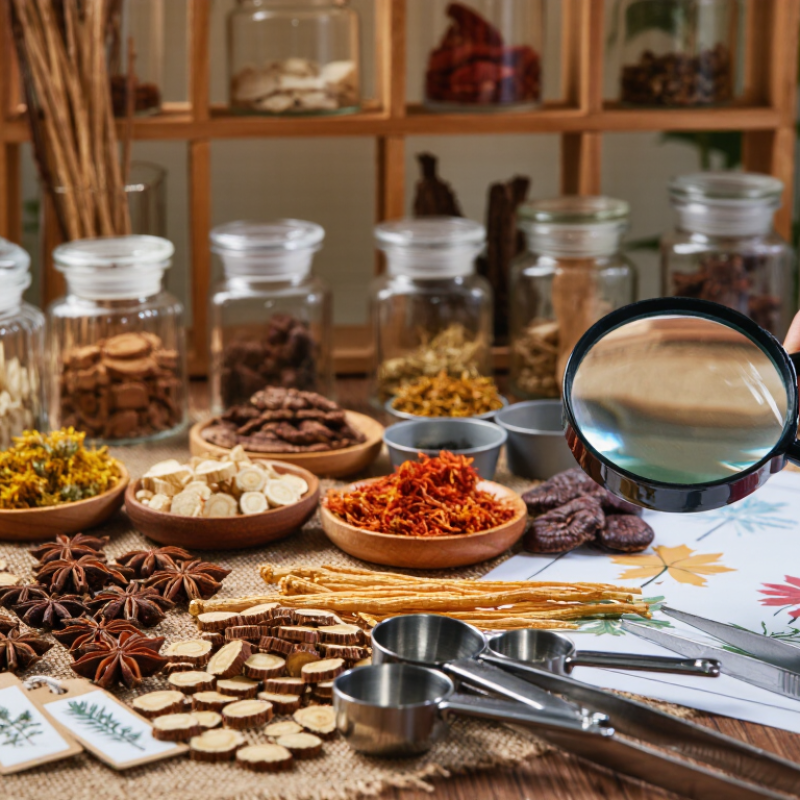
Define Sourcing Goals and Natural Medicine Categories
10 Natural Medicine Sourcing Tips for Global Buyers
Define Sourcing Goals and Natural Medicine Categories
A reliable sourcing plan begins with a clear definition of your product goals. Decide whether you need dried herbs, botanical powders, standardized extracts, or traditional preparations. Each category requires different testing, documentation, and storage controls. Do not treat every plant material alike.
Set practical targets for origin, potency, form, volume, and delivery time. A buyer seeking a mild herbal infusion needs different specifications from one purchasing a concentrated extract. Write these requirements before contacting suppliers. This prevents attractive samples from changing your original plan.
Tip: Create a simple product brief. Include the scientific plant name, plant part, preparation method, desired quality markers, packaging, and intended market. Scientific names reduce confusion between similar local names. They also support better traceability.
Tip: Check legal classification early. A botanical product may be considered food, medicine, or a supplement in different countries. Review import rules, permitted claims, labeling requirements, and residue limits with qualified local professionals. Requirements change, and my first assumption has sometimes been wrong.
Request evidence, not promises. Ask for recent identity testing, microbial results, heavy metal screening, pesticide analysis, and batch records. Confirm whether laboratories use recognized methods. Visit production sites when possible, or arrange an independent audit. Clear records matter more than polished presentations.
Small details reveal risk. Look for sealed bags, controlled humidity, legible batch codes, and clean storage areas. Keep approved samples for comparison. Natural variation is normal, but unexplained variation deserves another question.
10 Natural Medicine Sourcing Tips for Global Buyers - Define Sourcing Goals and Natural Medicine Categories
A practical sourcing framework for categorizing natural medicines, evaluating quality, and managing international procurement risks.
| No. | Sourcing Tip | Natural Medicine Category | Primary Sourcing Goal | Key Data or Quality Dimension | Recommended Buyer Action |
|---|---|---|---|---|---|
| 1 | Define the intended use | Herbal raw materials, extracts, teas, and finished preparations | Match the product format with the target market and intended application. | Food, supplement, traditional medicine, cosmetic, or pharmaceutical classification can differ by country. | Write a product brief covering use, dosage form, target users, market, and permitted claims. |
| 2 | Specify the botanical identity | Medicinal plants, fungi, algae, and plant-derived ingredients | Prevent substitution, adulteration, and confusion between related species. | Scientific binomial name, plant family, plant part, chemotype where relevant, and accepted synonym. | Require the scientific name and voucher or reference specimen information for identity confirmation. |
| 3 | Choose the correct plant part | Roots, rhizomes, leaves, flowers, bark, fruits, seeds, and whole herbs | Control potency, composition, and harvesting requirements. | Plant part, maturity, harvest season, post-harvest processing, moisture, and particle size. | State the exact plant part and acceptable physical specifications in the purchase contract. |
| 4 | Set active-marker requirements | Standardized botanical extracts and concentrated preparations | Achieve consistent composition between batches. | Marker compound range, extract ratio, solvent used, native extract content, and assay method. | Define minimum or acceptable marker ranges and request validated or suitably verified test methods. |
| 5 | Verify cultivation and collection practices | Cultivated and wild-collected medicinal botanicals | Improve traceability, sustainability, and consistent raw-material quality. | Growing or collection location, agricultural inputs, harvest date, collector records, and drying conditions. | Use applicable good agricultural and collection practice principles and maintain lot-level records. |
| 6 | Build a contaminant-control plan | Dried herbs, powders, extracts, and botanical blends | Reduce risks from biological, chemical, and physical contaminants. | Microbial counts, pathogens, aflatoxins, pesticide residues, heavy metals, foreign matter, and residual solvents where applicable. | Create a risk-based testing schedule using destination-country requirements and product risk. |
| 7 | Confirm analytical identity | Single-herb materials and multi-ingredient formulas | Confirm that the delivered material matches the declared ingredient. | Macroscopic and microscopic examination, chromatographic fingerprinting, spectroscopy, and DNA-based methods when appropriate. | Use a fit-for-purpose identity protocol and compare results with an authenticated reference. |
| 8 | Check regulatory and trade status | Botanicals, animal-derived materials, fungi, and protected species | Avoid import delays, rejected shipments, and non-compliant claims. | Import permits, product classification, labeling rules, health claims, phytosanitary documents, and CITES status where applicable. | Review current requirements in both the exporting and importing jurisdictions before placing an order. |
| 9 | Evaluate packaging and stability | Dried materials, powders, liquid extracts, capsules, and tablets | Preserve quality during storage and international transport. | Moisture sensitivity, light exposure, oxygen exposure, temperature, seal integrity, shelf life, and storage conditions. | Request packaging specifications, transport conditions, expiry data, and stability evidence appropriate to the product. |
| 10 | Approve suppliers through documentation | All natural medicine categories | Establish reliable, auditable, and repeatable procurement. | Quality agreement, certificate of analysis, batch records, traceability, deviation history, recall process, and audit evidence. | Qualify suppliers before purchase, verify certificates independently, and conduct periodic performance reviews. |
Related Posts
-

Exploring the Global Market Trends in Natural Medicine 2025: Strategies for Smart Sourcing
-
Global Sourcing Excellence: China’s Best Natural Health Products Leading the World Market
-

Unlocking the Secrets of Natural Health: Ancient Practices for Modern Wellness
-
What Are the 2026 Top Health Medicine Products?
-

Top Health Medicine Trends That Buyers Need to Know?
-

2025 Technology Trends: A Comprehensive Guide to Best Health Healthcare Innovations for Global Buyers